Gibraltar has introduced legislation that would legally recognize tokenized fund shares and allow certain regulated funds to issue shares on distributed ledger systems, granting investors the same rights as traditional shareholdings.
The Protected Cell Companies (Amendment) Bill 2026 states that “the holder of a share token is a shareholder with the same rights and obligations as any other holder of cell shares,” referring to shares linked to specific asset pools within a protected cell company.
Protected cell companies, typically insurance or financial entities, have a core organization that is linked to several independent cells, each with its own balance sheet.
The proposal, which requires approval from the Gibraltar Financial Services Commission, applies to protected cell companies operating as experienced investor funds. Ownership records must be maintained on blockchain-based share registers, with tokenized shares legally equivalent to traditional certificates.
Source: Gibraltarlaws.gov
Source: Gibraltarlaws.gov.gi
The framework sets strict rules for custody and transfers, limiting access to verified investors and allow-listed wallet addresses while requiring disclosures on technology risks, cybersecurity and recovery procedures.
Companies must retain control over the underlying infrastructure, keeping the system within a regulated environment rather than an open, permissionless market.
Under the proposal, tokenized shares can be issued and transferred using smart contracts and cryptographic signatures, with blockchain records recognized as valid instruments for ownership, transfer and recordkeeping under existing company law.
The bill must now proceed through Gibraltar’s legislative process before taking effect.
Related: ECB backs tokenized EU capital markets with strict guardrails
Tokenized assets move from pilots to regulated markets
Governments and financial institutions are integrating tokenized assets into regulated financial systems, developing legal frameworks and market infrastructure for blockchain-based securities.
Switzerland was among the earliest jurisdictions to bring tokenized assets under existing financial law, with its regulator approving a crypto fund in 2021 for qualified investors. In 2025, the country expanded that framework by licensing its first distributed ledger technologies (DLT) trading facility, enabling tokenized securities to be traded and settled on regulated infrastructure.
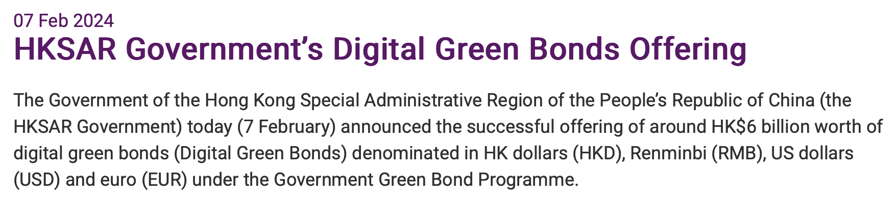
In 2022, Singapore launched Project Guardian to test tokenized assets in wholesale markets, while Hong Kong has issued and expanded a program of tokenized government bonds since 2023.
Source: www.hkma.gov
Source: www.hkma.gov
In 2024, the World Bank issued a Swiss franc digital bond on Switzerland’s SIX Digital Exchange with settlement using central bank digital currency.
Most recently, in March, Canada completed a pilot that issued and settled its first tokenized bond on distributed ledger infrastructure.
Magazine: Singapore isn’t a ‘crypto hub’ — it’s something better: StraitsX CEO
Cointelegraph is committed to independent, transparent journalism. This news article is produced in accordance with Cointelegraph’s Editorial Policy and aims to provide accurate and timely information. Readers are encouraged to verify information independently.
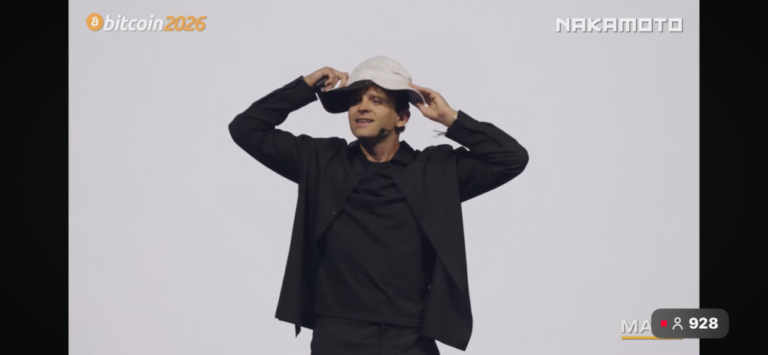
Strike CEO Jack Mallers announced a series of product updates and strategic moves Wednesday, including the launch of lending proof-of-reserves, a new “volatility-proof” bitcoin-backed loan structure built with Tether, and a $2.1 billion credit facility.
He also said he supports a proposal by Tether Investments to merge Strike with Twenty-One Capital and bitcoin miner Elektron Energy.
Mallers said Strike’s bitcoin-backed loan and line-of-credit business has grown since launch, with users drawn to the ability to borrow against bitcoin rather than sell it.
He described bitcoin as a savings account for many customers and said Strike cut its rate tiers across the board. Pricing now ranges from approximately 10.5% APR for loans under $250,000 to approximately 7.49% APR for loans above $5 million.
Strike announced the first iteration of its lending proof-of-reserves, which gives borrowers the ability to verify that their collateral is present and segregated in a distinct on-chain address.
“We want you to trust us and know that we are who we say we are,” Mallers said. The disclosure mechanism was developed in partnership with Tether, which Mallers credited with helping Strike build the transparency infrastructure.
The two companies also jointly developed what Mallers called “volatility-proof” bitcoin-backed loans, a structure that removes the risk of forced liquidation when bitcoin prices fall or broader markets drop.
Mallers said the segregated collateral product is available now through Strike’s private client desk, and the volatility-proof loan feature is available to customers as part of the bitcoin-backed lending suite.
Mallers announced that Strike has secured a $2.1 billion credit facility, which he said gives the company capacity to meet demand at any order size within its lending business.
Merger proposal
Earlier Wednesday, Tether Investments published a proposal to merge Twenty-One Capital with Strike and Elektron Energy, a large-scale bitcoin mining operator that manages approximately 50 EH/s, or roughly 5% of the current Bitcoin network hashrate.
Tether said the combined entity would integrate bitcoin treasury holdings, mining, financial services, lending, and capital markets under a single listed platform.
Mallers said he backs the plan. “Simply put, I think it’s a great idea,” he said, adding that building a Bitcoin company — not a narrow payments app — was his founding goal. Elektron founder Raphael Zagury has been proposed as President of the combined entity under the plan.
The bitcoin company quadrant and Maller’s vision
Mallers used a quadrant framework onstage to argue that the Bitcoin industry has a gap at the intersection of high conviction and high operating income.
He placed crypto exchanges in the high-income, low-conviction corner, saying they run profitable businesses but list many coins and build products across asset classes. He placed bitcoin treasury companies in the high-conviction, low-income corner, describing them as deeply committed to bitcoin but limited in operating business scope.
He cited Coinbase as an exchange that could carry more bitcoin on its balance sheet, and praised MicroStrategy executive chairman Michael Saylor while drawing a distinction between a treasury strategy and a product strategy. “I love him and his company,” Mallers said of Saylor, “but I want to build bitcoin products.”
His answer to the gap was a four-pillar model: a financial services arm covering brokerage, custody, lending, payments, treasury, and prime services; bitcoin infrastructure spanning energy, power generation, mining, hardware, and hosting; a capital markets operation built around loan-book securitization, mining revenue securitization, bitcoin-backed debt, and structured products; and a mergers-and-acquisitions function targeting profitable bitcoin businesses across software, custody, payments, energy, and distribution.
The stated goal of the M&A arm, as presented on his slide, is to give “every dollar of operating income one job: buy more Bitcoin.”
Mallers closed by saying a platform of that scope could “change the world with its products” and cited a phrase he has used throughout his career: “Fix the money, fix the world.”
Stablecoin settlement pilot sees record growth 50% quarter over quarter, reaching $7B run rate.
Visa is adding support for five additional blockchains, further expanding its multi-chain settlement capabilities.
SAN FRANCISCO–(BUSINESS WIRE)–Today, Visa (NYSE: V) announced that it is adding five blockchains to its global stablecoin settlement pilot, expanding how issuers and acquirers can settle with the network. As stablecoins move into mainstream payment flows, Visa’s stablecoin settlement pilot now supports nine blockchains and has reached a $7 billion annualized stablecoin settlement run rate, up 50% since last quarter.
“Our partners are building in a multi-chain world, and they expect their options to reflect that reality,” said Rubail Birwadker, Global Head of Growth Products and Strategic Partnerships, Visa. “Expanding our stablecoin settlement pilot program to more blockchains means our partners can choose the networks that best fit their needs, while relying on Visa to provide a common settlement layer across all of them.”
Newly supported blockchains
Visa is adding support for five additional blockchains, further expanding its multi-chain settlement capabilities:
Arc: An open Layer-1 blockchain created by Circle, purpose-built to unite programmable money and onchain innovation with real-world economic activity.
Base: A high-performance blockchain enabling fast, low-cost settlement for stablecoins, onchain assets and agentic commerce. Powered by Coinbase.
Canton: Built with configurable privacy for regulated capital markets, enabling compliant settlement for institutional use cases.
Polygon: A leading blockchain payments solution that enables fast, low-cost transactions, delivering seamless, high-throughput infrastructure for global payments and digital commerce.
Tempo: Focused on faster, private, and more efficient movement of stablecoin liquidity and settlement flows.
With these additions, Visa now supports nine blockchains across its global stablecoin settlement pilot program, giving partners more choice while building on existing support for Avalanche, Ethereum, Solana, and Stellar.
From experimentation to multi-chain reality
Over the past year, stablecoins have evolved from a promising innovation to a practical way to move money globally, and Visa’s settlement pilots are helping partners streamline operations.
This builds on years of live pilots and regional rollouts across LAC, Europe, AP and CEMEA, as well as the recent expansion of USDC settlement to U.S. banks and 130+ stablecoin-linked card programs in more than 50 countries. The move to nine supported blockchains mirrors a broader trend: liquidity and activity now span a diverse, multi-chain ecosystem, and settlement infrastructure is evolving to match to provide more choice.
Visa is building toward a future where interoperability is essential. Supporting multiple blockchains gives partners more choice in how they access liquidity across ecosystems and adapt as the landscape changes, while Visa eases some of the underlying complexity so institutions can use stablecoins through a trusted, global network.
Continued momentum
The growth to a $7B run rate underscores increasing confidence in blockchain infrastructure from financial institutions, fintechs, and payment providers. Stablecoin settlement over blockchain infrastructure is becoming a viable complement to traditional settlement rails.
As adoption continues, Visa remains focused on bridging traditional finance and blockchain-based systems – bringing the same standards of reliability, security, and scale to both.
Partner perspectives
“Arc is designed to provide the performance, predictability, and reliable access to liquidity needed to support real-time settlement at a global scale. Our work with Visa reflects growing demand for stablecoins like USDC and blockchain infrastructure that can settle today’s payment flows instantly while enabling the next era of programmable commerce and agent-driven economic activity.” Nikhil Chandhok, Chief Product and Technology Officer, Circle.
“Our goal with Base has always been to make onchain the new standard. Visa’s expansion is a pivotal step in making stablecoin payments a daily reality for billions of people, enabling a faster, cheaper, and more useful financial system for everyone,” said Jesse Pollak, Founder of Base.
“Canton was designed to meet demanding requirements of regulated institutions, and Visa’s stablecoin settlement platform provides a bridge that lets them explore onchain settlement while staying aligned with their compliance requirements,” said Eric Saraniecki, Head of Network Strategy at Digital Asset, co-founder of the Canton Network.
“Visa adding Polygon signals that stablecoins are moving into real world payments at scale. By combining Visa’s global reach with Polygon’s fast, low-cost infrastructure, we are making stablecoin settlement more practical, reliable, and accessible for partners around the world,” said Marc Boiron, CEO, Polygon Labs.
“Tempo is focused on real-time stablecoin settlement, and Visa’s participation as both a validator and settlement partner helps bring always-on, programmable payments closer to the mainstream,” said Ani Narayan, GTM, Tempo.
Bitcoin (BTC) fell from its local high at $79,500 as traders repositioned ahead of the Federal Open Market Committee (FOMC) meeting on Wednesday.
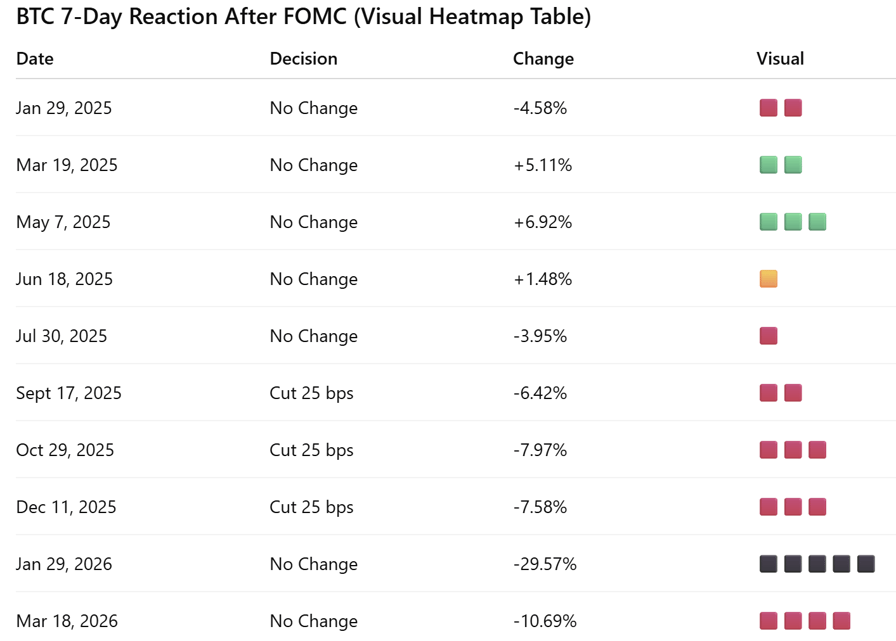
Historical data shows that since the start of 2025, BTC has corrected seven out of 10 times after an interest rate cut.
Bitcoin’s reaction to interest rate cut decisions in 2025 and 2026 shows a clear pattern. The price often moved higher in the days before the meeting, followed by negative returns afterward, as illustrated in the chart.
BTC price reaction post FOMC meet. Source: Cointelegraph/TradingView
The seven-day returns ranged from +6.92% to –29.57% across 10 FOMC meetings.
BTC 7-day reaction after FOMC (visual heatmap table). Source: Cointelegraph
Over the past two years, the post-FOMC price action has been driven less by the rate outcome and more by shifts in liquidity and leverage conditions.
During the Jan. 29–Feb 5 drawdown, when BTC fell roughly 30%, derivatives data highlighted the extent of this dynamic. Futures open interest declined sharply, falling to $49 billion from around $61 billion over the course of a week, signaling an aggressive unwind of leveraged positions.
This deleveraging phase triggered an estimated $2.5 billion in BTC-specific liquidations, with total crypto liquidations reaching $4.5 billion over the same period.
MN Capital founder Michael van de Poppe said that the setup was typical pre-FOMC behavior from the traders. The view frames the pullback as a routine correction tied to the policy uncertainty, with van de Poppe adding,
“It almost always happens prior to the event, as there’s still a lot of fear for FED policies from the markets.”
The analyst noted that as long as the price holds above $73,000, the higher range may remain intact in the near term.
Related: Three Bitcoin charts say BTC price may rally toward $82K
Strategy buying BTC offsets the weak sentiment
While short-term price action reflects caution around macro events, the broader demand picture suggests a strong structural bid beneath the market.
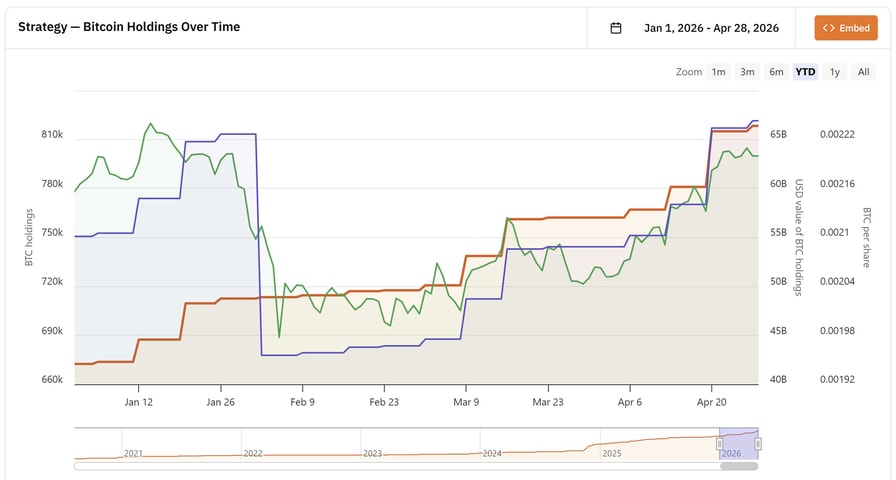
Corporate BTC accumulation continues to play a key role. Strategy has significantly expanded its Bitcoin holdings in 2026, increasing its total balance to 818,334 BTC from 672,497 on Jan. 1, adding 145,837 BTC.
The purchases are partly funded through Stretch (STRC) offerings, in which the firm raises capital via equity-linked instruments and allocates the proceeds to Bitcoin.
Strategy BTC holdings in 2026. Source: bitcointreasuries.net
Bitcoin macro researcher Ecoinometrics noted that the pace mirrors the late-2024 accumulation, though current conditions are less bullish.
At the same time, spot Bitcoin ETF flows have turned positive again, with roughly $3.5 billion in net inflows over the past two months. This resurgence signals renewed institutional participation, even as the short-term sentiment remains cautious.
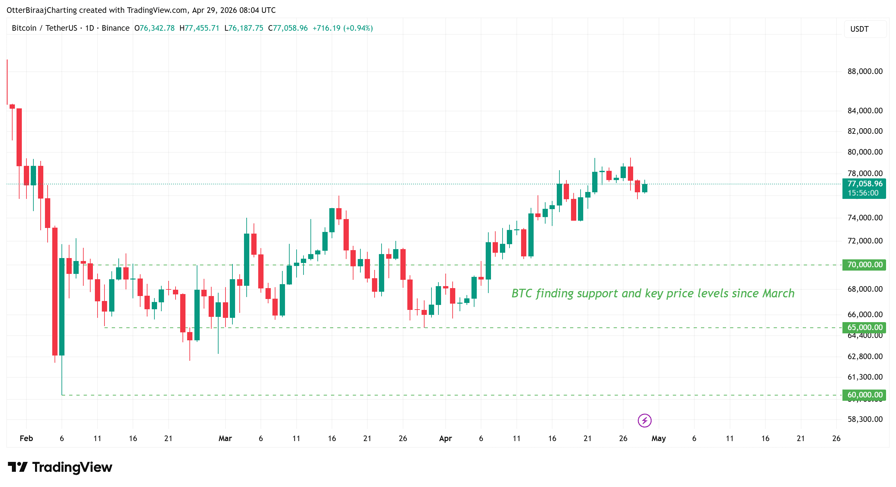
BTC is finding support at key price levels. Source: Cointelegraph/TradingView
Since March, the return of institutional demand for BTC has coincided with the crypto asset forming support levels at key price ranges, such as $60,000, $65,000 and $70,000.
While macro-driven events like the FOMC continue to trigger short-term volatility and risk-off behavior, this underlying demand base is helping cushion deeper drawdowns and support a more resilient long-term market structure for Bitcoin.
Related: Bitcoin price drops below $76K as onchain data sends mixed signals
This article is produced in accordance with Cointelegraph’s Editorial Policy and is intended for informational purposes only. It does not constitute investment advice or recommendations. All investments and trades carry risk; readers are encouraged to conduct independent research.
Hyperliquid has published the fee structure for its outcome tokens, the assets that underpin prediction market-style trading on the platform, in a sign that a mainnet launch is getting closer.
Prediction markets have become one of crypto’s fastest-growing areas, with trading volume surging more than 300% in 2025 to $63.5 billion, and Hyperliquid is building the infrastructure to compete with incumbents such as Kalshi and Polymarket.
The key detail in the structure is that opening a position costs nothing. Fees only apply when closing or settling a trade. The document outlines six scenarios covering minting, trading, burning and settlement.
Traders using Hyperliquid’s “aligned quote tokens” get better rates, with taker fees 20% lower and maker rebates 50% higher than standard. The full fee formula has been published for developers.
The broader significance is that HIP-4, the upgrade introducing outcome tokens, would let users trade binary contracts on real-world events alongside Hyperliquid’s existing perpetuals and spot positions in a single account as it looks to compete with platforms like Polymarket, which said earlier this week that perpetual trading is “coming soon.”
Hyperliquid’s previous upgrade, HIP-3, which opened permissionless perpetuals to developers, has grown to more than 35% of all platform trading volume since its introduction in October 2025.
Outcome tokens are currently on testnet only. No mainnet date has been confirmed.
The following is a fintech and wider digital and economic development overview of the Gulf Cooperation Council (GCC) nation of Kuwait in 2026.
Kuwait’s fintech evolution in 2026 reflects a country balancing two identities: a resource-rich, oil-dependent economy and an increasingly digital, services-driven financial system. While the pace of change may appear measured compared to some regional peers, the foundations being laid are deliberate. This is anchored in regulatory oversight, infrastructure investment and a growing appetite for innovation.
Like the rest of most of the Gulf Cooperation Council (GCC), Kuwait’s economy remains heavily reliant on oil. It accounts for over 90 per cent of government revenues and export earnings in Kuwait. Gross domestic product (GDP) per capita stands at around $34,000, placing Kuwait among the highest-income economies globally.
Digital economic transformation: from oil to digital ambition
Kuwait’s broader economic transformation is framed by its Vision 2035 strategy. Like the rest of the GCC with their own strategies, Vision 2035 seeks to diversify the economy, reduce dependence on oil and position the country as a regional financial and commercial hub.
Digitalisation plays a central role in this agenda. Priorities include expansion of digital infrastructure and smart government services, development of a knowledge-based economy and support for entrepreneurship and innovation ecosystems.
Internet penetration exceeds 98 per cent, and smartphone usage is nearly universal, providing a strong foundation for digital financial services.
As highlighted in my previous work, Kuwait’s fintech development is less about rapid disruption and more about structured ecosystem building, where policy, infrastructure and private sector initiatives evolve in tandem.
Financial services sector: digital transformation within a mature system
Kuwait has a long rich history of having a financial services industry in the Middle East region IMAGE SOURCE GETTY
The country’s financial hub is Kuwait City, home to the Central Bank of Kuwait (CBK), Kuwait Stock Exchange and leading financial institutions. Among the largest banks is National Bank of Kuwait (NBK), a dominant regional player that has been at the forefront of digital banking initiatives.
Kuwait’s financial services sector is well-developed, characterised by strong banking institutions, high liquidity and robust regulatory frameworks. However, digital transformation has accelerated significantly the past few years.
Key trends include growth in mobile banking and digital wallets, expansion of contactless and real-time payments, and increasing integration of fintech solutions within traditional banking models
The CBK has played a central role in guiding this transformation.
First, there is KNET and digital payments expansion , which is Kuwait’s national electronic payment system. KNET continues to underpin digital transactions, with increasing adoption of online and mobile payments.
Second, there is the fintech regulatory sandbox, which the CBK expanded. It allows fintech firms to test innovative solutions in a controlled environment, supporting innovation while maintaining stability.
Third, Kuwait has begun advancing open banking frameworks, encouraging banks to adopt APIs and collaborate with fintech firms to enhance competition and customer experience.
Fourth, banks have been encouraged to invest in digital platforms, improving customer onboarding, payments and financial service delivery.
Finally, while still in early stages, the Central Bank has shown interest in a central bank digital currency (CBDC) framework as part of broader financial innovation efforts.
These initiatives in the past few years have been complemented by increased collaboration between regulators and private-sector players, reflecting a shift towards a more integrated and innovation-friendly ecosystem.
Financial inclusion and fintech
Kuwait has achieved high levels of financial inclusion, with approximately 95 per cent of adults holding a bank account, reflecting widespread access to financial services, according to the World Bank.
As a result, the focus has shifted from access to enhancing digital adoption, improving user experience, and expanding the range of financial products. Digital payments, mobile banking and online financial services are increasingly embedded in daily life, particularly among younger and urban populations.
However, opportunities remain in areas such as with small and medium enterprise (SME) financing, digital inclusion for underserved populations (notably the blue-collar migrant workers that form the backbone of the economy like the rest of the region), and expansion of digital financial literacy.
Kuwait’s fintech ecosystem is still developing, with an estimated 120 fintech companies and startups operating across payments, lending, insurtech and digital banking.
Examples of fintechs from Kuwait include: MyFatoorah (payment gateway enabling digital transactions across the region), Tap Payments (payment infrastructure for businesses), uPayments (digital payment solutions mainly for SMEs), and Kem (mobile-first financial platform targeting younger users). These firms highlight Kuwait’s positioning as a regional fintech enabler, leveraging its financial strength and connectivity to support innovation.
Conclusion: steady transformation in a high-income market
Kuwait’s fintech journey is defined by steady, policy-led progress. In 2026, despite regional challenges, digital financial services continue to enhance efficiency, expand innovation and support economic diversification. While not driven by urgency, the country’s approach reflects a long-term vision of wider economic diversification, economic and digital prosperity.
Crypto-related stocks are tumbling across the board on Wednesday with exchanges taking the biggest hit after Robinhood’s earnings miss and escalating tensions between Iran and the U.S.
Robinhood (HOOD), a crypto-friendly digital broker, plunged nearly 14% after it reported late Tuesday an almost 47% decline in crypto-related revenue in the first quarter.
The weakness spilled across the sector as investors took it as a signal for lackluster crypto trading demand. U.S. crypto exchange Coinbase (COIN) and institutional-focused exchange Bullish (BLSH), CoinDesk’s parent company, both fell 8%. Gemini (GEMI), the embattled exchange business of billionaire investors Cameron and Tyler Winklevoss, dropped 6%.
Bitcoin miners Riot Platforms (RIOT) and MARA (MARA) also slid 6%-7%. Strategy (MSTR), the largest corporate bitcoin owner, was down 4%.
The declines were more pronounced than for crypto prices themselves, as bitcoin BTC$76,123.27 edged below $76,000, down 0.5% over the past 24 hours.
Adding to the pressure was President Donald Trump reportedly rejecting an Iranian proposal to end the naval blockade and open the Strait of Hormuz, a critical global oil shipping route.
The Iranian regime’s proposal involved reopening the strait while delaying nuclear negotiations, but the Trump opted to maintain its naval blockade until a broader nuclear deal is reached, Axios reported.
The news sent oil prices surging 6%, with the West Texas Intermediate topping $100 a barrel on concerns that energy supply chains in the Middle East could remain under pressure.
U.S. stocks, meanwhile, are posting just modest losses, with the Nasdaq down 0.35%.
The afternoon session promises more catalysts, the first being the Federal Reserve meeting results. No change in rates is what will be Jerome Powell’s final meeting as chairman. Market participants, however, will be looking to the accompanying policy statement and Powell’s post-meeting press conference for clues about the future direction.
After the U.S. market closes, a slew of big tech firms — including Alphabet (GOOG), Amazon (AMZN), Meta (META) and Microsoft (MSFT)— will report earnings. Traders will eye the firms’ artificial intelligence-related spending as a gauge for the AI trade and infrastructure buildout.
Buyers are struggling to sustain the BTC rebound, suggesting bears are attempting a comeback.
Several major altcoins risk breaking below their support levels, signaling a deeper short-term pullback.
Bitcoin (BTC) rallied above $77,900 on Wednesday, but the long wick on the candlestick shows selling on rallies. On-chain analyst Willy Woo said in a post on X that BTC needs to close above the $79,000 cost basis of recent investors to strengthen the recovery. Woo gave BTC only 30% odds of rising above $79,000 in this attempt.
Another cautious view came from crypto trading account CRYPTOWZRD, who highlighted the risks of downside in June. CRYPTOWZRD said in a post on X that historically BTC has corrected for a few months after a new Federal Reserve chair takes over. With Kevin Warsh slated to take over as the Fed chair in May, could BTC “break the curse,” or will it see a final dip?
Crypto market data daily view. Source: TradingView
Analysts remain divided about BTC’s prospects in the near term. Some analysts believe BTC will breakout to a new all-time high and rally to as high as $250,000 in 2026, while others anticipate a drop below $50,000 to as low as $30,000. Although anything is possible in the cryptocurrency markets, traders should watch crucial support and resistance levels closely rather than becoming overly optimistic or pessimistic based on target projections.
Could BTC and the major altcoins stay above their immediate support levels? Let’s analyze the charts of the top 10 cryptocurrencies to find out.
Bitcoin price prediction
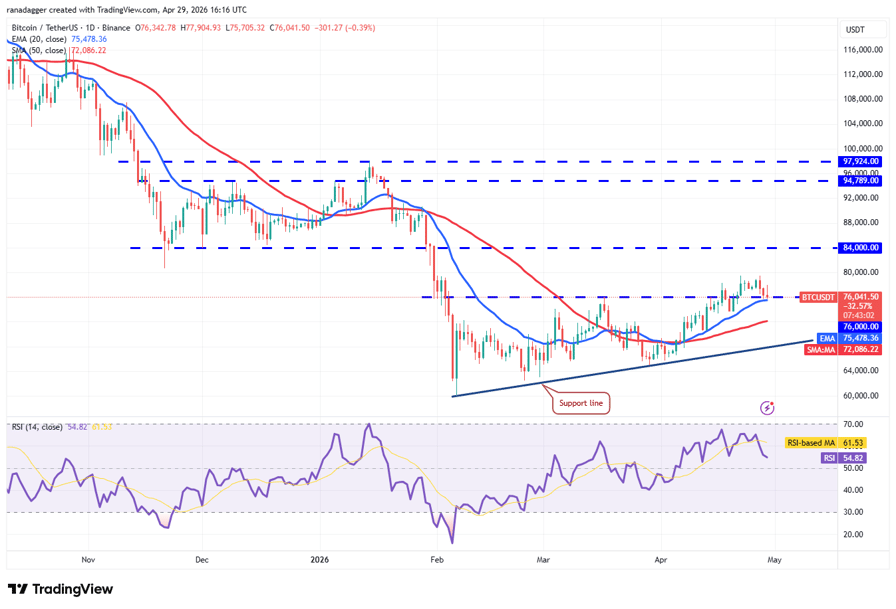
BTC bounced off the 20-day exponential moving average ($75,478) on Wednesday, but the bulls could not sustain the higher levels.
The 20-day EMA is the critical near-term support to watch out for. If the BTC price rebounds off the 20-day EMA with force and breaks above $80,000, it signals that the bulls have flipped the $76,000 level into support. The BTC/USDT pair may then rally to $84,000.
This positive view will be negated in the near term if the price continues lower and breaks below the 20-day EMA. That suggests the bears are active at higher levels. The pair may then tumble to the 50-day simple moving average ($72,086) and later to the support line.
Ether price prediction
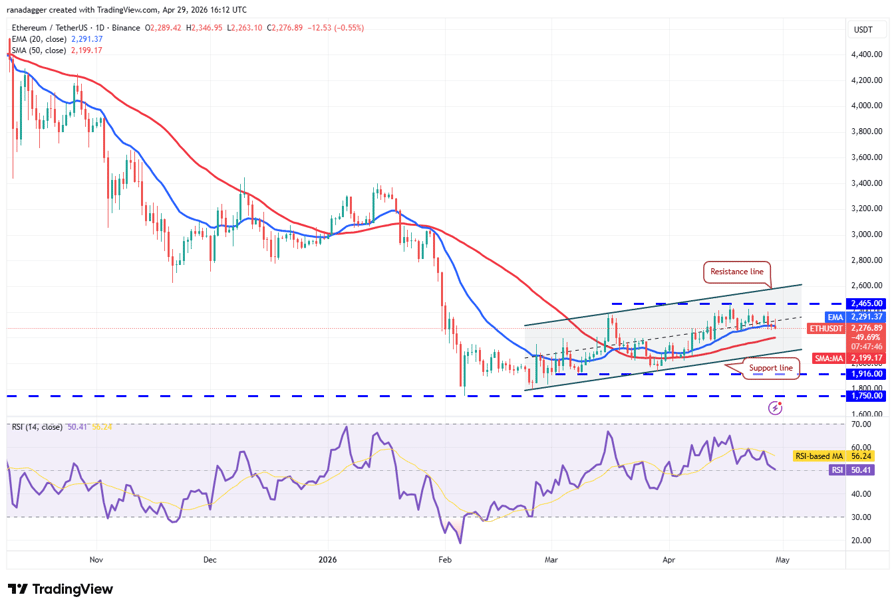
Buyers are attempting to sustain Ether (ETH) above the 20-day EMA ($2,291), but the bears continue to exert pressure.
If the ETH price continues lower and breaks below the moving averages, it suggests that the bears are on a comeback. The ETH/USDT pair may then slump to the support line, where the buyers are expected to step in.
Conversely, if the price turns up from the moving averages, it suggests that the lower levels are attracting buyers. The pair may rise to $2,465 and then to the resistance line of the ascending channel pattern.
XRP price prediction
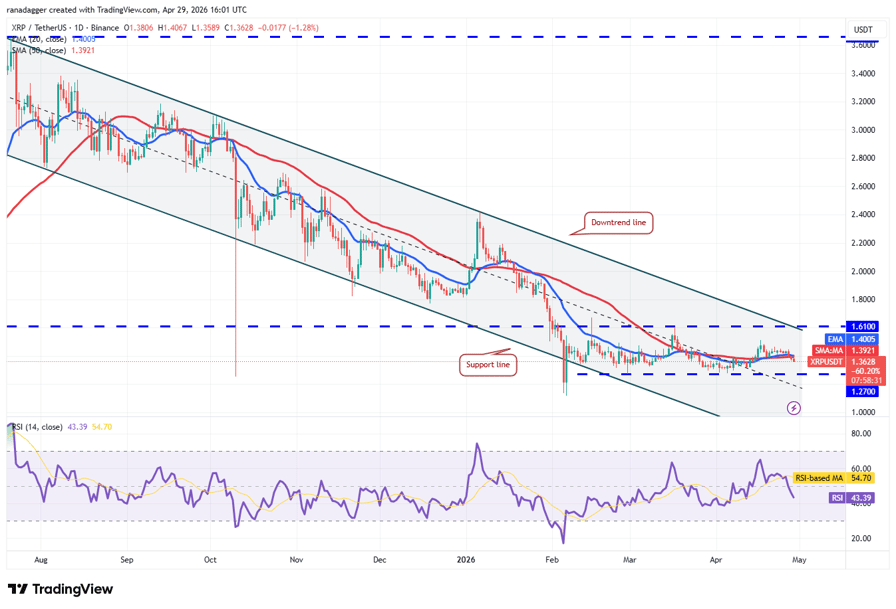
XRP (XRP) fell below the moving averages on Tuesday, indicating that the bears are attempting to take charge.
XRP price may slide to $1.27, where buyers are expected to mount a strong defense. If the price rebounds off the $1.27 support and rises above the moving averages, the recovery may reach the downtrend line. A close above the downtrend line signals a potential trend change.
Conversely, a break below the $1.27 level puts the Feb. 6 low of $1.11 at risk of a breakdown. The pair may then plummet to $1 and then to the support line.
BNB price prediction
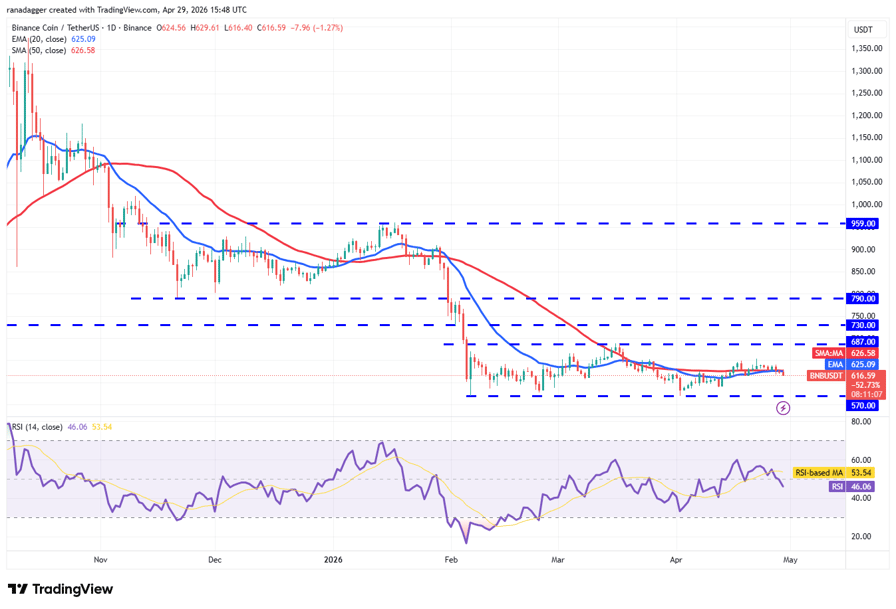
BNB (BNB) remains stuck inside the large range between $570 and $687, signaling buying on dips and selling on rallies.
The flattish moving averages and the RSI just below the midpoint suggest that the BNB/USDT pair may continue consolidating for some time.
Buyers will gain the upper hand if they push the BNB price above $687. If they manage to do that, the pair may surge to $730, then to $790. On the other hand, a break below the $570 support signals the resumption of the downtrend. The pair may then collapse to $500.
Solana price prediction
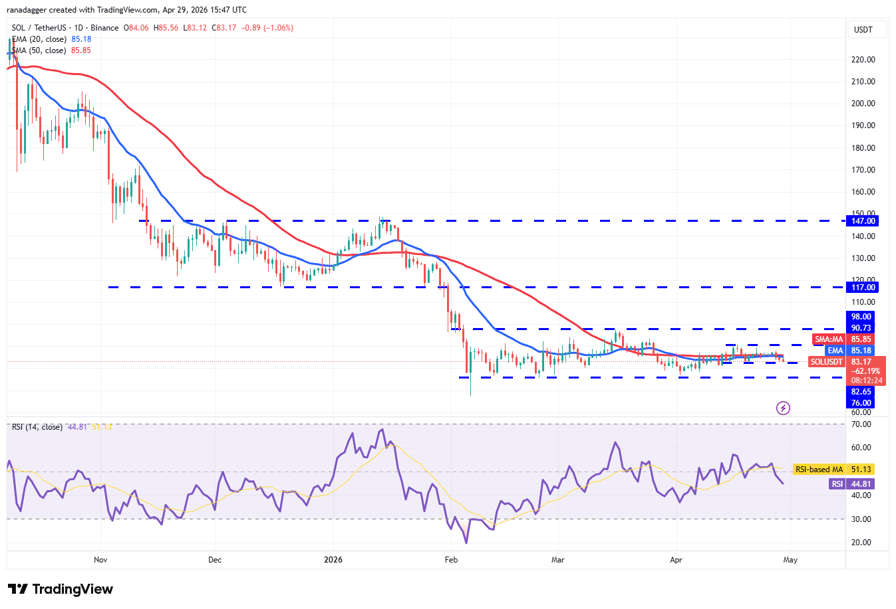
Solana (SOL) has been trading inside a tight range between $82.65 and $90.73, indicating a balance between supply and demand.
If the price breaks below $82.65, the SOL/USDT pair may decline toward the $76 support. Buyers are expected to fiercely defend the $76 level, as a close below it may sink the pair to $67.
On the upside, a break and close above the $90.73 level would indicate a slight advantage for the bulls. The SOL price may then reach the overhead resistance at $98. This is a critical level to watch out for as a break above $98 opens the doors for a rally to $117.
Dogecoin price prediction
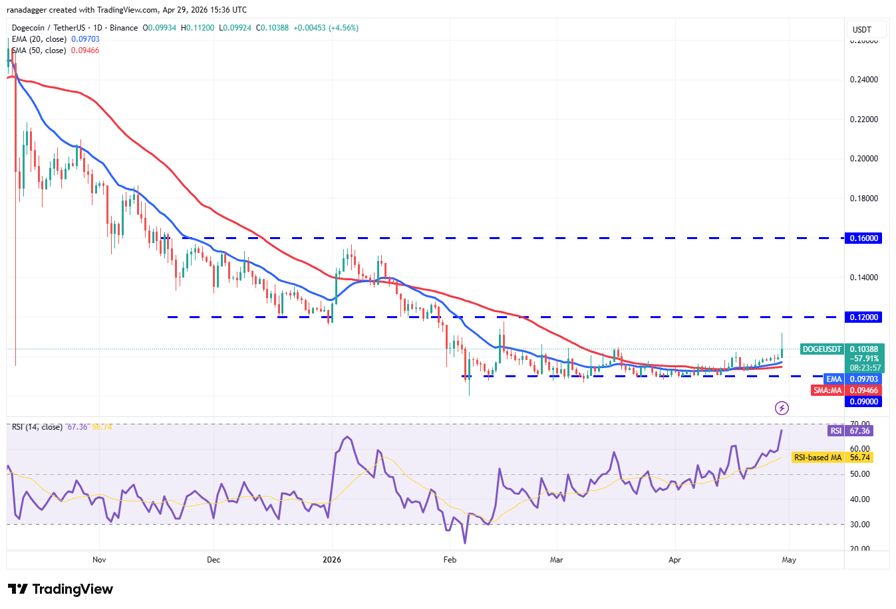
Dogecoin (DOGE) bounced off the 20-day EMA ($0.10) on Monday, indicating buying on dips.
The bulls pushed the DOGE price above $0.11 on Wednesday, but the long wick on the candlestick indicates that bears remain active at higher levels. A break below the 20-day EMA signals that the DOGE/USDT pair may remain range-bound between $0.09 and $0.12 for a few more days.
On the other hand, if the price rebounds off the $0.10 level, it increases the possibility of a rally to $0.12. A close above the $0.12 resistance suggests that the pair may have bottomed out in the short term.
Hyperliquid price prediction
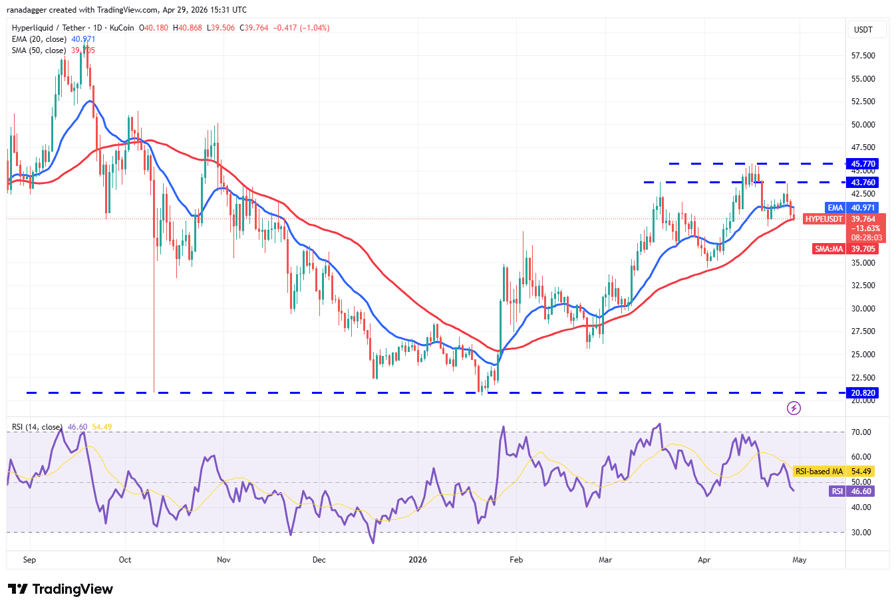
Hyperliquid (HYPE) turned down from the $43.76 overhead resistance on Monday and fell to the 50-day SMA ($39.70) on Tuesday.
Sellers will attempt to strengthen their position by pulling the HYPE price below the 50-day SMA. If they manage to do that, the HYPE/USDT pair may initiate a deeper pullback to $37.77, then to $34.45.
On the upside, the bears will continue to pose a substantial challenge in the $43.76-$45.77 zone. However, if buyers break above the overhead zone, the pair may rally to $50 and then to $51.43.
Related: XRP set for ‘strongest’ 2026 monthly ETF inflows as bulls target $2
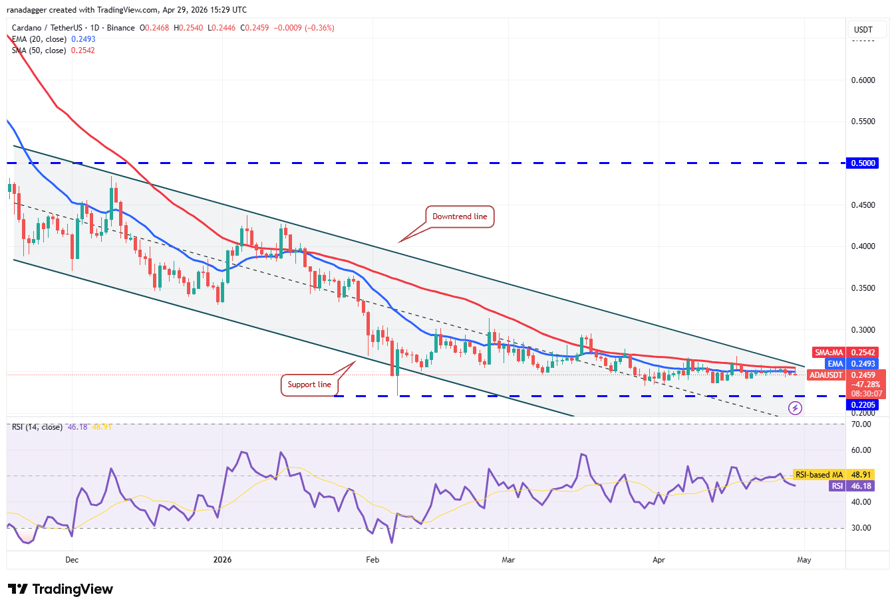
Cardano price prediction
Cardano (ADA) is facing selling near the downtrend line, but a minor positive is that the bulls have not given up much ground to the bears.
That suggests the bulls will again attempt to drive the ADA price above the downtrend line. If they succeed, the ADA/USDT pair may rally to $0.32 and then to $0.37. Such a move signals a potential trend change.
Sellers are likely to have other plans. They will attempt to defend the downtrend line and pull the price to the solid support at $0.22. A close below the $0.22 level indicates the resumption of the downtrend.
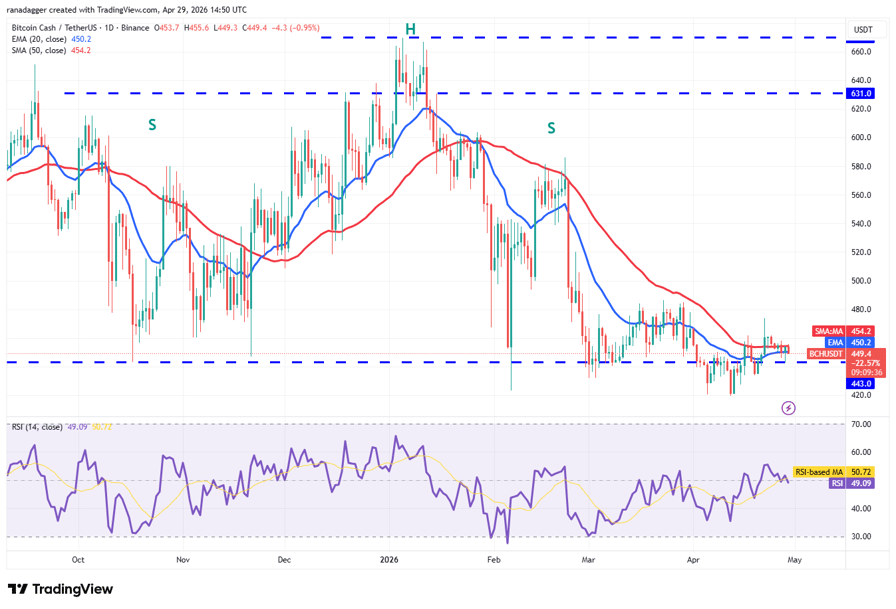
Bitcoin Cash price prediction
Bitcoin Cash (BCH) bounced off the $443 support on Tuesday, but bulls are struggling to push the price above the moving averages.
The flattish moving averages and the RSI near the midpoint do not give either bulls or bears a clear advantage. If the BCH price maintains above the moving averages, the possibility of a rise to the $486 level increases. Sellers are expected to aggressively defend the $486 level, as a close above it opens the door to a rally to $520.
On the downside, a close below the $443 level may sink the BCH/USDT pair to the solid support at $419.
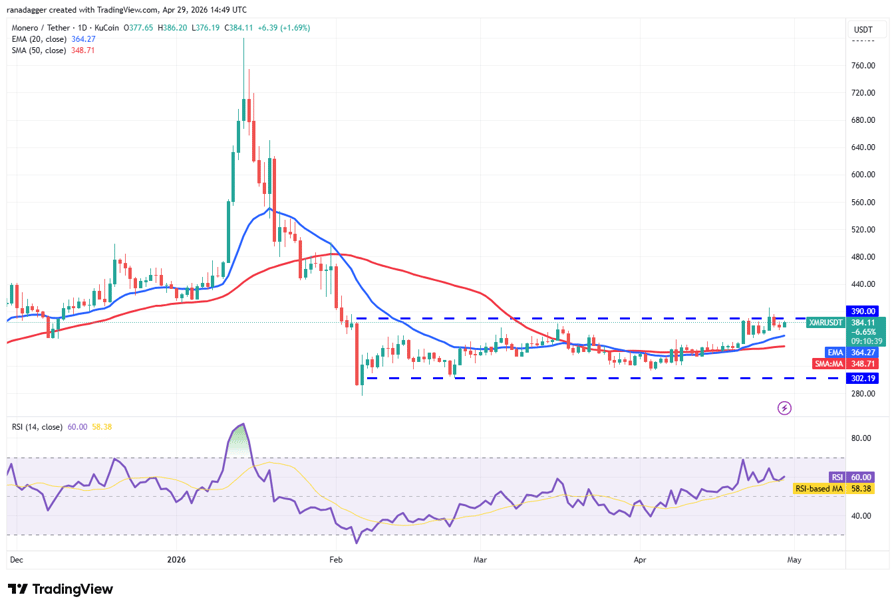
Monero price prediction
Monero (XMR) surged above the $390 resistance on Sunday, but the bulls could not sustain the breakout.
The XMR price pulled back to the 20-day EMA ($364), where the buyers stepped in. If the XMR/USDT pair continues higher and breaks above the $406 level, it signals the start of a new up move toward $500.
Contrary to this assumption, if the price turns sharply lower and breaks below the moving averages, it suggests the pair may remain within the $302 to $390 range for some time.
A study of 1.29M wallets shows users returning more often and trading across more categories, with sports leading at $10.1B and crypto serving as the main onboarding gateway.
Polymarket processed $25.7 billion in trading volume in March, with retail traders driving consistent, repeated activity across an expanding set of real-world markets, according to a new joint report from Bitget Wallet and Polymarket.
The study, based on 1.29 million wallets active in Q1 2026, found that 82.3% of users traded under $10,000, indicating that the platform is overwhelmingly retail-driven. Active days per user rose from 2.5 to 9.9 over the study period, while the average number of categories each user traded expanded from 1.45 to 2.34.
The report frames the shift as behavioral rather than capital-driven, with users returning more frequently and rotating between categories rather than concentrating on one-off events. That tracks with earlier findings from Keyrock and Dune Analytics, which pegged on-chain prediction market monthly volumes as having grown 130-fold since early 2024.
Sports emerged as the largest category on Polymarket in Q1, generating $10.1 billion in volume as the constant cadence of global matches drove recurring engagement. The trend mirrors the broader sports-betting surge that lifted prediction market activity through late 2025 and into the2026 Super Bowl.
Politics generated $5 billion in Q1 volume, including $2.41 billion tied to geopolitics. Unlike past election-driven cycles, the report describes activity as continuously distributed across global news flow, with traders responding to real-time developments rather than discrete events.
Crypto remained the primary entry point for new users, accounting for roughly 40% of early activity. Familiar price action and 24/7 markets make it a natural starting category, though participation broadens as users return. Polymarket recently leaned further into that funnel, launching 5-minute Bitcoin candle markets while teasing a long-rumored POLY token airdrop.
“Prediction markets are becoming less about capital and more about consistent, repeated actions,” noted Bitget Wallet COO Alvin Kan. “What we’re seeing is a behavioral shift: the market is scaling with more taps per day, not bigger trades.”
Elden Mirzoian, director of growth and partnerships at Polymarket, said distribution is becoming as important as the underlying markets, citing the sector’s shift “from episodic trading to more continuous engagement.”
The report cites industry projections of $240 billion in annual volume by year-end 2026, with a longer-term trajectory toward $1 trillion.
Polymarket’s growth has accelerated through a series of structural catalysts. The platform secured CFTC approval to operate in the U.S. in November 2025 and rolled out its U.S. app shortly after, following a $2 billion strategic investment from Intercontinental Exchange. In March, it became MLB’s exclusive prediction market partner. Distribution has also broadened through a native integration in MetaMask, which began routing user bets to Polymarket late last year.
This article was written with the assistance of AI workflows. All our stories are curated, edited and fact-checked by a human.
Bitcoin (BTC) extended its two-day decline on Wednesday after the Federal Open Market Committee (FOMC) minutes confirmed the Fed’s decision to hold “the target range for the federal funds rate at 3-½ to 3-¾ percent.”
While the Fed maintains its goal of achieving “maximum employment and inflation at the rate of 2 percent over the longer run,” the FOMC minutes cited the “developments in the Middle East” as factors fueling an environment of “uncertainty” and the Fed stressed its desire to maintain optionality as it evaluates the “risks to both sides of its dual mandate.”
FOMC minutes with new statements in red. Source: CNBC
The Fed’s hold on rates aligned with market expectations, but Bitcoin remained fragile throughout Chairman Powell’s presser.
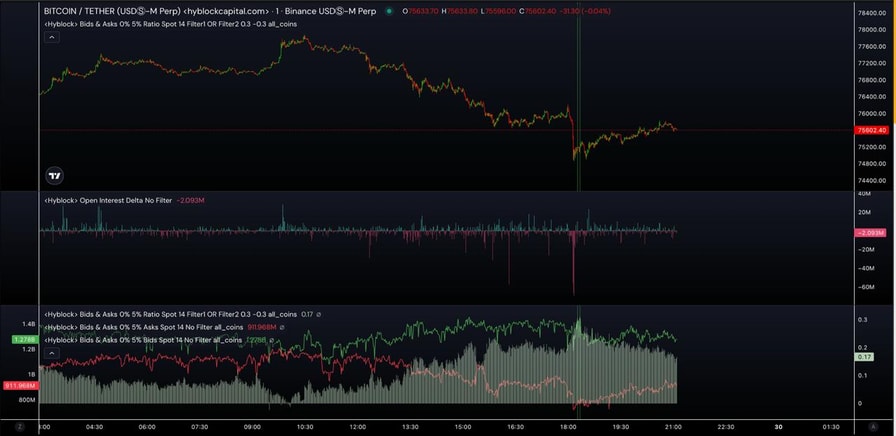
Hyblock CEO Shubh Varma described the price action as “the usual sell the news reaction after the FOMC,” but also noted that BTC “quickly recovered to pre-announcement levels within hours, showing strong underlying conviction.”
Adding data to back his market view, Varma said,
“The global bid ask ratio spiked to 0.3 (one of the highest readings), while open interest fell on the price drop. This is classic post-FOMC position squaring and stop-hunt behavior rather than conviction selling.”
BTC/USDT global bid ask ratio. Source: Hyblock
Will support turn back into resistance?
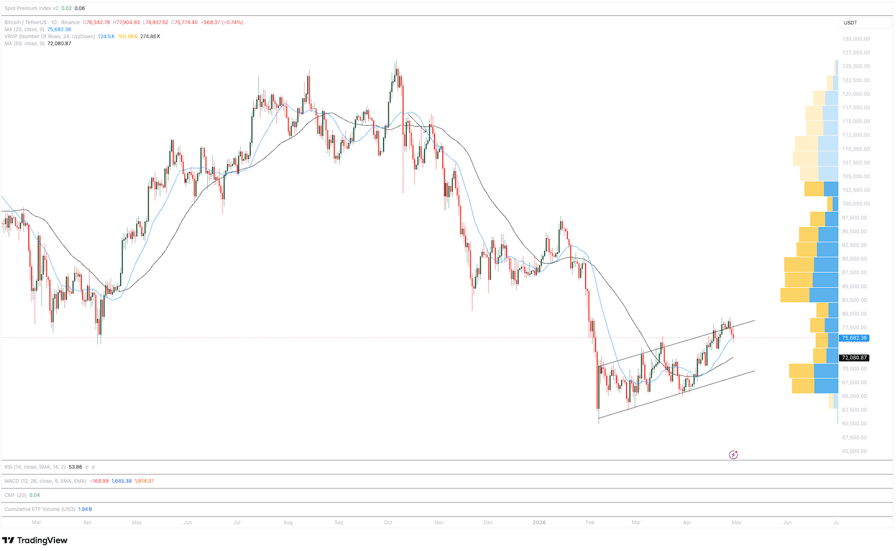
After the FOMC minutes were published, BTC dropped to an intra-day low of $74,937, slightly below the 20-day simple moving average ($75,664) that some traders identified as critical to confirming BTC’s support-resistance flip.
As reported on Monday by Cointelegraph, following the break above the channel resistance on the daily chart, BTC required consecutive daily candle closes above the trendline, followed by a lower support restest in the $76,500 to $75,500 range.
BTC/USDT 1-day chart. Source: TradingView
While all the above have happened, failure to recapture the 20-MA and close above the trendline resistance could be interpreted as a loss of momentum within the bull trend, opening the path for Bitcoin to test the downside boundary of the near-4-month-old channel.
Related: Bitcoin falls as traders cut risk ahead of FOMC: Will Tradfi, spot ETF volumes bolster $70K support?
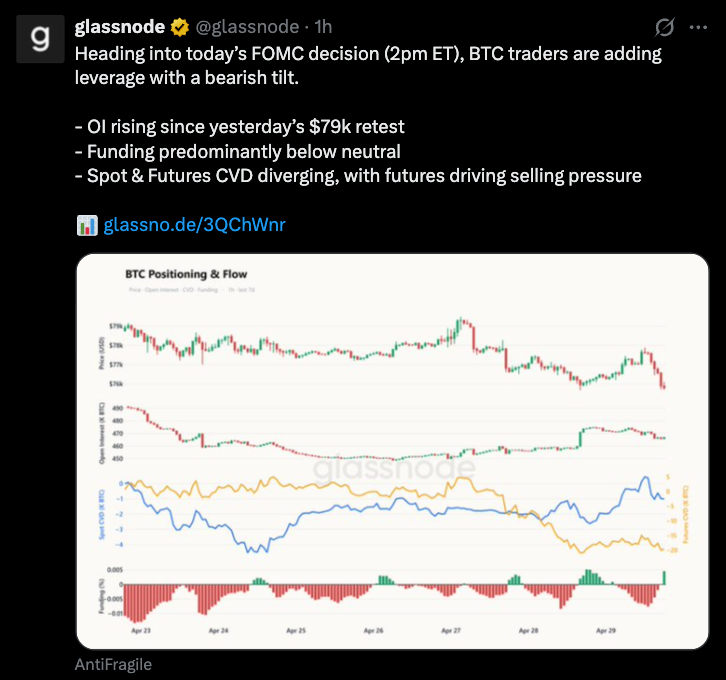
Prior to the Chairman Powell’s presser, Glassnode analysts noticed that Bitcoin traders were adding bearish leverage, citing rising open interest after Tuesday’s rally to $79,000, funding remaining neutral and a divergence between the spot and futures market cumulative volume delta (CVD).
Bitcoin traders turn bearish ahead of FOMC minutes. Source: Glassnode / X
Additional analysis from Glassnode’s The Week Onchain report depicted Bitcoin’s price action as “trapped below market mean,” where $65,000 to $70,000 act as support, but weak demand prevents the formation of sustainable rallies.
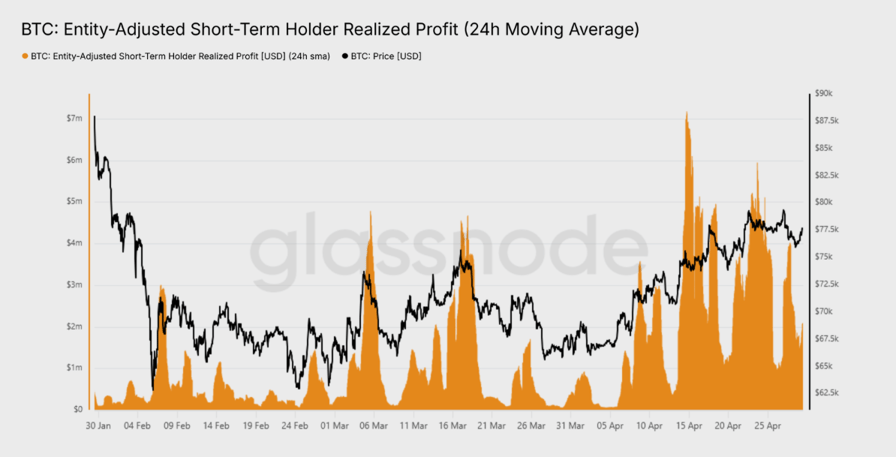
According to the report, Bitcoin failed to overcome its True Market Mean at $79,000 and a surge in short-term holders’ profit taking, along with margin futures flipping net short, has sapped away Bitcoin’s shorter-term bullish momentum.
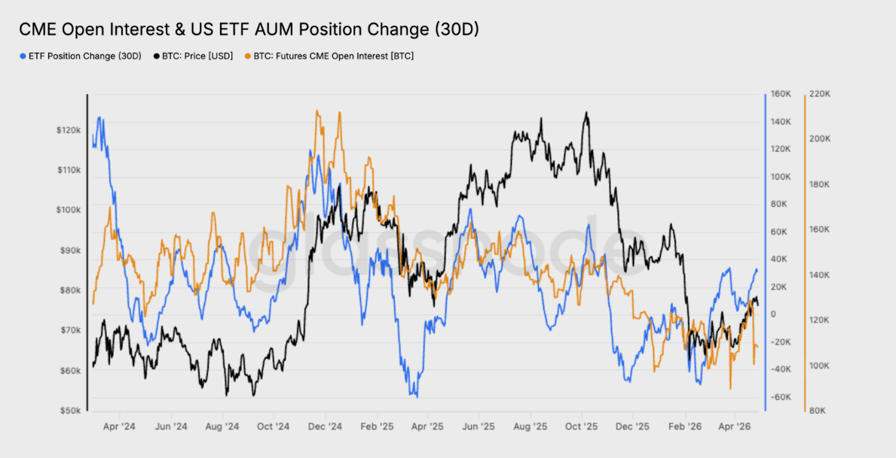
While these factors increase Bitcoin’s sensitivity to a sharper downside move, the analysts said institutional flows into the spot BTC ETFs and rising CME open interest have helped to build a “dense accumulation cluster between $65K and $70K.”
CME open interest, US spot ETF AUM position change. Source: Glassnode
This article is produced in accordance with Cointelegraph’s Editorial Policy and is intended for informational purposes only. It does not constitute investment advice or recommendations. All investments and trades carry risk; readers are encouraged to conduct independent research.