Home Blog Page 268

Bitcoin briefly falls below $80,000, as stocks tumble, yields rise on ugly inflation print

0

Core consumer prices — which would have stripped out what everyone already knew were surging energy costs — rose 0.4% in April, double March’s 0.2% pace and higher than 0.3% expected by economists.

On a year-over-year basis, core CPI rose 2.8% versus 2.6% in March and 2.7% forecast.

Headline CPI — which does include energy costs — was higher by 3.8% in April versus just 3.3% in March and 3,7% expected. That 3.8% was the fastest pace of inflation since May 2023.

The data has market participants quickly pricing in Federal Reserve rate hikes — a massive change from weeks ago, when the question was how often the Fed would be cutting rates in 2026.

According to CME FedWatch, markets are seeing more than a 35% chance of one or more rate hikes this year.

The news has helped send stocks lower, led by the Nasdaq’s 1.3% decline.

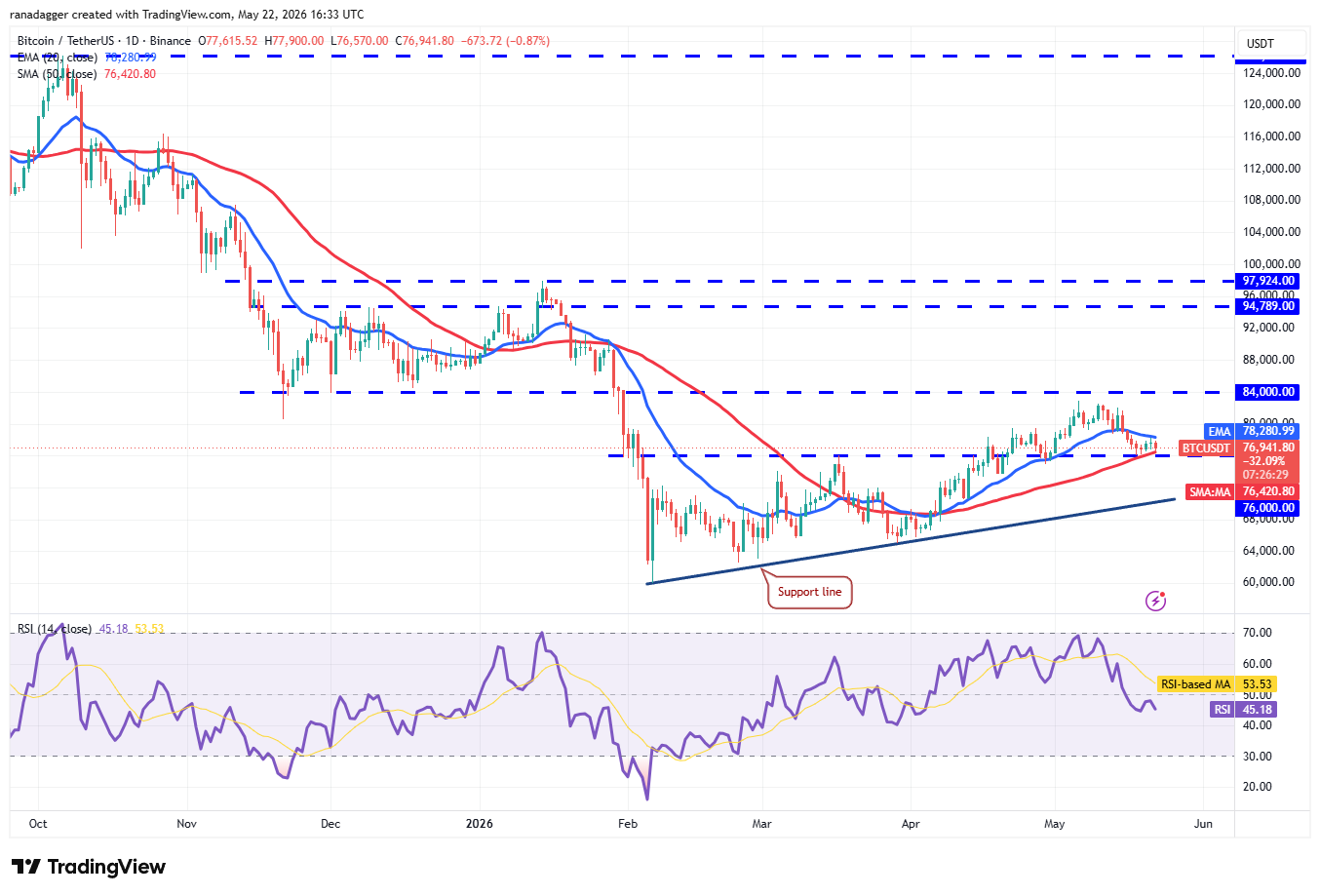
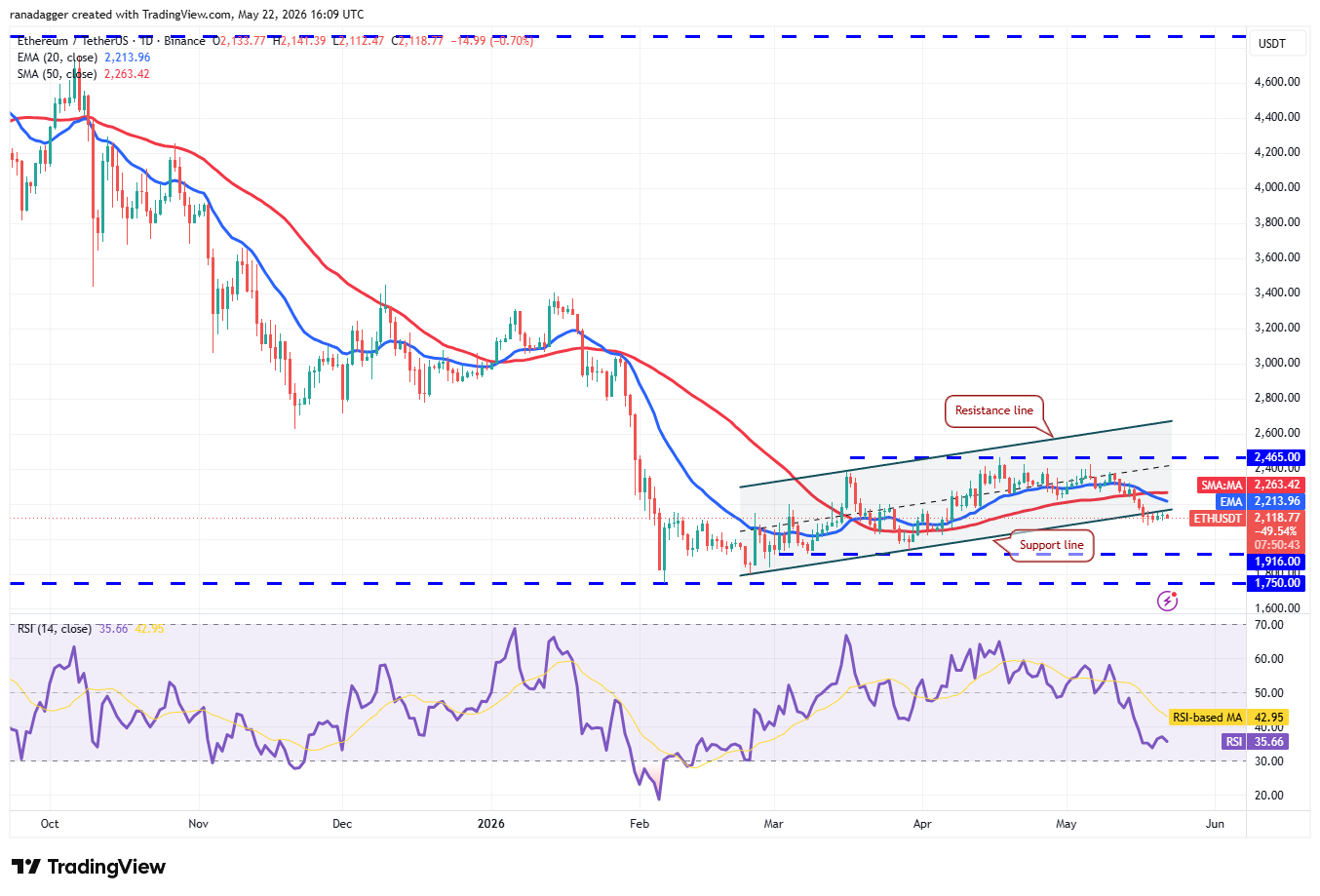
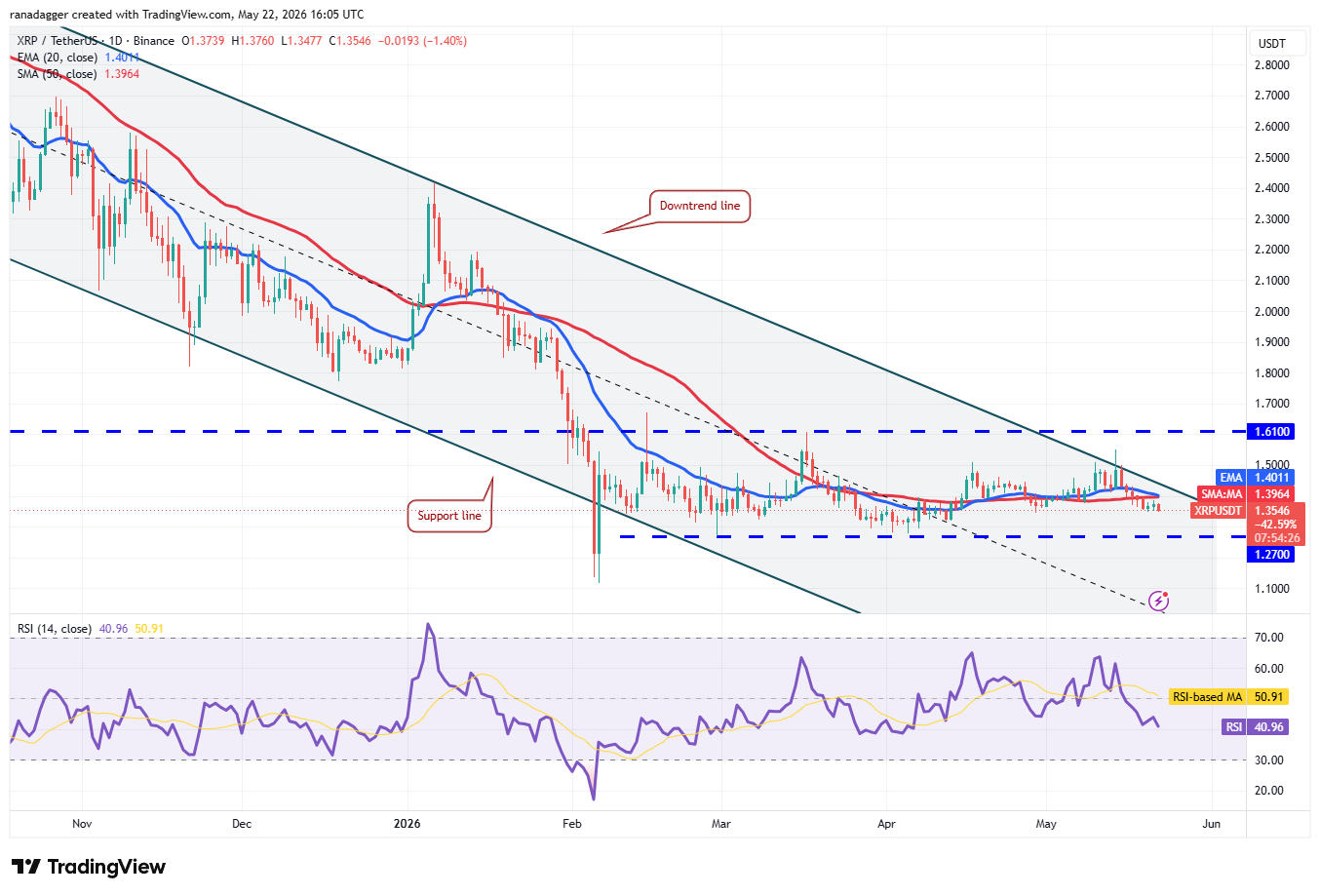
Bitcoin (BTC), though, has been holding steady, currently trading at $80,500, roughly flat over the past 24 hours. Major altcoins like ether (ETH) and XRP (XRP) are down closer to 2.5%.

HIVE Underwriters Launches Aviation Reinsurance Division with Senior Hires

0

Independent specialty MGA HIVE Underwriters is pleased to announce the launch of its Aviation Reinsurance division, marking a further step in its multi-class growth strategy. HIVE will commence underwriting from October 2026 and has appointed experienced senior underwriters Scott Bradbury and Joshua Down to lead the new class offering. The duo will join HIVE once their contractual obligations with their current employer are complete. 

Bradbury has extensive experience as a Head of Aviation Reinsurance Underwriting, building and managing aviation reinsurance portfolios across the global market. He will be joined by Reinsurance Underwriter Joshua Down, who has fifteen years experience underwriting and broking aviation reinsurance.

The launch of Aviation Reinsurance strengthens HIVE’s position as a multi-class specialty MGA and Lloyd’s Coverholder, complementing its Aviation, Space, Marine, and Political Violence & Terrorism teams. It underlines the firm’s ongoing investment in top-tier underwriting talent and advanced data and analytics, enabling knowledge-led underwriting that delivers clarity, speed, and confidence in complex risk environments. 

Bruce Carman, CEO of HIVE Underwriters, said: “We are building HIVE around exceptional underwriting talent, and the launch of Aviation Reinsurance is a natural extension of that strategy. It represents an important addition to our multi-class platform and a key string to our bow as we continue to grow. Scott and Josh bring not only deep technical expertise, but also a relationship-driven, knowledge-led approach to underwriting that aligns perfectly with how we operate. Our focus is on creating an environment where experienced underwriters can do their best work, supported by strong data, aligned capacity and a highly collaborative culture.”

Binance CMO Rachel Conlan is leaving the crypto exchange

0

Rachel Conlan, the chief marketing officer (CMO) at Binance, the world’s largest cryptocurrency exchange, said she is leaving the company next month after three years helping to build the brand.

Eowyn Chen, former CEO of Trust Wallet, will serve as the interim CMO, a Binance spokesperson said via email

“Serving as CMO of Binance has been the privilege of my career,” Conlan said in an email. “ I’m deeply grateful to Yi He, Richard [Teng] and the entire leadership team for the trust they placed in me, and to every member of the team I’ve had the honour of working with.”

Conlan, who took the post in September 2023, is credited with launching “Crypto,” the perfume. Also known as “Eau de Binance,” the fragrance was introduced by the exchange in March 2024 to celebrate International Women’s Day.

Prior to Binance, Conlan spent a year as the global head of brand and partnerships at rival OKX, working under CMO Haider Rafique.

“Rachel is a premier talent who has left an indelible mark on the company and after four years of remarkable service has decided to step down to focus on personal priorities,” a Binance spokesperson said.

Like other large crypto brands, Binance has signed a selection of high-profile partnerships, a number of which predate her tenure. These include the footballer Cristiano Ronaldo, Canadian singer-songwriter The Weeknd, the Alpine Formula One team and social media star Khaby Lame.

This year’s crypto market downturn may be hitting the wallets of marketing departments at large crypto firms. Crypto.com, a firm that has spent as much as $1 billion promoting its name on things like rebranding the Staples Center, an advert with Matt Damon, FI and UFC deals, only last week said its CMO, Steven Kalifowitz, is leaving the company.

In addition, Ben Zhou, the CEO of Bybit, the second-largest crypto exchange, said in a recent interview that he would not be renewing his F1 sponsorship, and is looking for other deals with better commercial value.

Conlan’s last day is June 15 and she will remain as an adviser to support the company through the transition, Binance said.

FOP Targets Key CLARITY Act Provision, Warning It Could Weaken Crypto Enforcement

0

Trusted Editorial content, reviewed by leading industry experts and seasoned editors. Ad Disclosure

The National Fraternal Order of Police (FOP), the largest law enforcement organization in the United States, has weighed in on the CLARITY Act, sending a letter to lawmakers that argues against a specific part of the bill. 

In the correspondence—signed by FOP President Patrick Yoes—the group says it strongly opposes Section 604, a provision that, according to the letter’s description, would exempt certain non-controlling developers and providers from being treated as money transmitting businesses.

CLARITY Act Section 604 Becomes A Flashpoint

In reports shared on social media, Yoes wrote to Senate Banking Committee Chairman Tim Scott and Ranking Member Elizabeth Warren, arguing that Section 604 would strip prosecutors and law enforcement of statutes they rely on to track and pursue people who commit crimes using digital assets. 

The FOP’s argument is that removing those tools would also make it easier for criminal organizations to profit from illegal activity. At the center of the dispute is how the law would apply to the developers behind crypto-related software. 

The TFTC agency says Section 604 is the part that matters most for open-source contributors, because it would help shield developers from being classified and pursued under money transmission laws based on what users do with the software—rather than on whether the developer ever handled or controlled funds. 

Without that protection, the agency warns, building certain kinds of privacy tools, non-custodial wallets, or software associated with mixing could expose a developer to criminal liability even if they never touched a user’s assets.

The agency’s conclusion frames the conflict as less about whether the FOP supports trading digital assets, and more about where legal responsibility should land. 

It says the FOP does not appear to object to people owning or trading digital assets; instead, it is focused on preserving what it believes are enforcement pathways against the people who build the tools used to move those assets in criminal activity. 

No Democrats Expected To Support

While Section 604 remains under scrutiny, the CLARITY Act still faces other unresolved policy battles. As Bitcoinist reported on Monday, the Senate Banking Committee is scheduled to hold its markup of the CLARITY Act on Thursday, but the released draft text is already drawing skepticism.

Among the concerns are objections tied to the bill’s stablecoin-rewards provision. Banking trade groups have reportedly opposed that element, arguing that it could give crypto firms too much flexibility and may encourage deposits to shift away from the insured banking system.

Crypto In America also reported that analysts expect the CLARITY Act to progress along party lines, noting that no Democrats on the Senate Banking Committee are expected to vote in support.

CLARITY Act
The daily chart shows the total crypto market cap at $2.6 trillion. Source: TOTAL on TradingView.com

Featured image created with OpenArt, chart from TradingView.com

Editorial Process for bitcoinist is centered on delivering thoroughly researched, accurate, and unbiased content. We uphold strict sourcing standards, and each page undergoes diligent review by our team of top technology experts and seasoned editors. This process ensures the integrity, relevance, and value of our content for our readers.

DTCC Picks Chainlink As Data Layer For 24/7 Tokenized Collateral Platform

0

The Collateral AppChain will use the Chainlink Runtime Environment to automate eligibility, margining and settlement across global markets, with production launch slated for Q4 2026.

The Depository Trust & Clearing Corporation (DTCC), the financial infrastructure giant whose subsidiaries processed $4.7 quadrillion in securities transactions in 2025, will integrate Chainlink as the data and orchestration layer for its forthcoming tokenized collateral platform, the firms said on Tuesday.

DTCC’s digitally native Collateral AppChain, a shared infrastructure platform, will leverage the Chainlink Runtime Environment (CRE) and Chainlink’s data standard to support eligibility, valuation, margining, collateral optimization, and settlement, according to a press release.

The platform is targeted for production launch in the fourth quarter of 2026.

The tie-up extends earlier work between the two firms, most notably the 2024 Smart NAV pilot, in which DTCC, Chainlink, and ten major financial institutions tested the delivery of mutual fund net asset value data on-chain. It also lands a week after DTCC confirmed timelines for its separate tokenization service, with limited production trades planned for July and a commercial launch slated for October.

‘Killer app for TradFi’

“By leveraging tokenization and distributed ledger technology to modernize collateral mobility, our goal is to enable 24/7, near real-time collateral management across global markets and blockchains,” said Nadine Chakar, DTCC’s global head of digital assets.

Chainlink co-founder Sergey Nazarov called collateral management “the killer app that traditional finance has been waiting for from our industry.”

Collateral management has long been one of the most operationally costly functions in capital markets, with eligible assets typically immobilized across siloed venues, custodians and time zones. DTCC’s pitch is that smart contracts, fed by tokenized asset prices and valuations, can automate eligibility checks, margin calls and settlement instructions in near real time.

Shared Rails

The Collateral AppChain is designed as common infrastructure for collateral providers, receivers, managers, triparty agents and custodians, rather than yet another bilateral institutional chain. Rather than relying on one-off integrations, CRE provides a reusable framework that allows the platform to scale across new data types, asset classes and collateral use cases, the firms said.

The deal adds another flagship deployment to Chainlink’s institutional pipeline, which already spans work with Swift, Euroclear, UBS and Mastercard.

This article was written with the assistance of AI workflows. All our stories are curated, edited and fact-checked by a human.

80% of college seniors say AI is cutting entry-level jobs

0

11x survey shows Class of 2026 entering the workforce expect fewer entry-level roles, higher salaries, and stronger AI skills than their managers

A new survey from 11xreveals a clear paradox shaping the Class of 2026: graduating seniors believe artificial intelligence (AI) will increase their earning potential, even as they believe it reduces access to entry-level roles.

The survey of 1,000 U.S.-based business majors finds that 80% believe AI is reducing entry-level opportunities, while 67% expect AI skills to increase their salaries, with 23% anticipating a significant boost. Yet, beneath the anxiety, 47% already believe AI is automating grunt work rather than eliminating roles — and 73% are using AI tools weekly to position themselves for the jobs being created, not the ones disappearing.

The top shifts shaping the Class of 2026:

A Learning Curve Reversal

For the first time, new graduates expect to arrive with more relevant technical capability than their managers. More than 60% of respondents expect AI competency from their managers or believe they will surpass them, including 23.7% who say they expect to be more AI-skilled than their boss. This not onlyreflects a shift in expectations for entry-level roles, which are increasingly seen as positions where new hires are expected to contribute immediately using AI. It also marks a reversal of the traditional learning model, where early-career employees historically developed skills gradually under more experienced leaders.

The Entry-Level Sales Job They Were Warned About No Longer Exists

The survey suggests that AI is reshaping expectations for early-career roles, particularly in sales – one of the most commonly pursued paths among respondents. About half (49.5%) say they are interested in sales careers, even as many of the tasks traditionally associated with these roles are increasingly automated. The cold outreach, list building, and prospecting that defined entry-level sales for decades is now largely automated – handled by AI agents like 11x’s Alice that take on the high-volume execution work that once filled an SDR’s day. Students see the entry-level grind as dead and are trying to skip it entirely.

“AI didn’t take their job. It took the worst parts of it,” said Prabhav Jain, CEO of 11x. “What’s left is the work that actually builds a career — time with customers, building relationships, driving real outcomes. Ironically, this is the best time in history to start a sales career. Those who get that will have higher leverage, earn more, and advance faster than any class before them.”

AI is Already Embedded in How Students Work and Apply for Jobs

Adoption of AI tools among the Class of 2026 is widespread. Nearly three-quarters (73.2%) report regular use of generative AI tools. More than half of respondents (56.7%) say AI has changed how they apply for jobs, actively incorporating AI into their schoolwork, internships, and overall career preparation. And 37% say that AI has actually shifted their career focus or role preference.

The Emerging Disconnect Between Talent and Opportunity

Taken together, the findings point to a growing disconnect: graduates are more AI-capable than ever and companies are automating traditional entry-level work, but hiring models have not fully adapted. This creates a narrower, more competitive entry point into the workforce, with higher expectations placed on fewer roles.

A powerful crypto indicator just flipped green as bitcoin tests $82,000

0

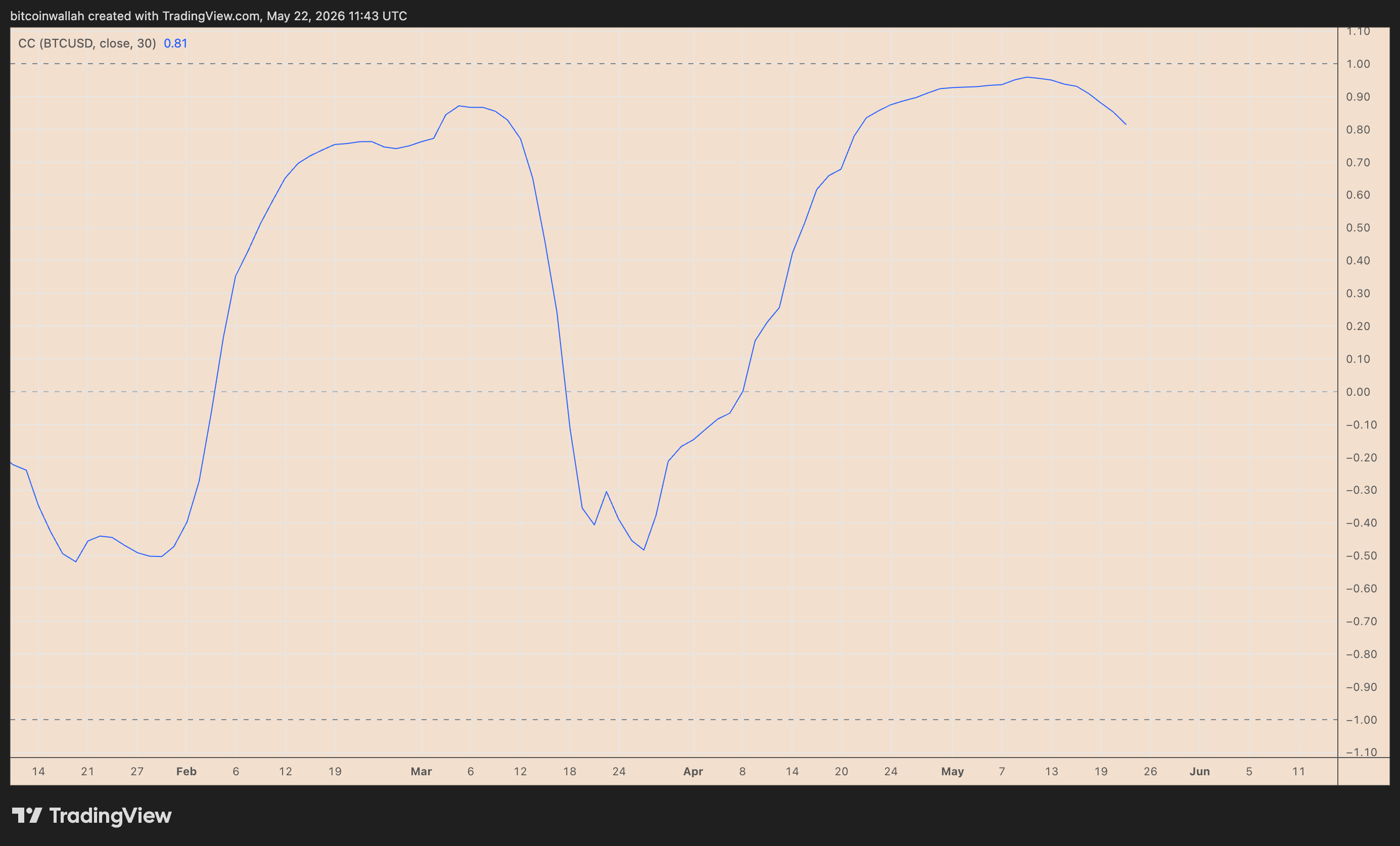
Cryptoquant’s bitcoin bull-bear cycle indicator turned green for the first time since 2023, which could signal that “the market structure is beginning to recover,” said the firm’s onchain market analyst Julio Moreno on Wednesday.

“Historically, this has been an important regime-change signal,” Moreno wrote. “When the indicator moves out of bear territory and enters the early bull zone, it often suggests that the worst phase of the correction has already passed and that market structure is beginning to recover.”

For Mati Greenspan, a former eToro senior market analyst and founder at Quantum Economics, the CryptoQuant Bull-Bear Market Cycle Indicator is a regime-shift indicator, not a crystal ball. He said that, “historically, it has been most useful for identifying when bitcoin stops behaving like a bear-market asset.”

Greenspan said that the real confirmation comes afterward, with sustained demand, liquidity, and price acceptance at higher levels. “So now all eyes are on price action to confirm validation,” he added.

He recalled that when this indicator turned green in 2019 and again in early 2023 following intense bearish phases, the market transitioned into “stronger bullish trends.” Moreno, however, acknowledged that March 2022 remains a critical exception. Back then, the indicator turned bullish but delivered a false positive, preceding a move into a deeper downtrend.

The analyst also stressed why the current May 2026 is so pivotal. “On one hand, the indicator is showing the first constructive regime shift in years,” he said. “Bitcoin is no longer behaving like a deep bear-market asset, and the recovery in the 30-day moving average suggests improving momentum beneath the surface.”

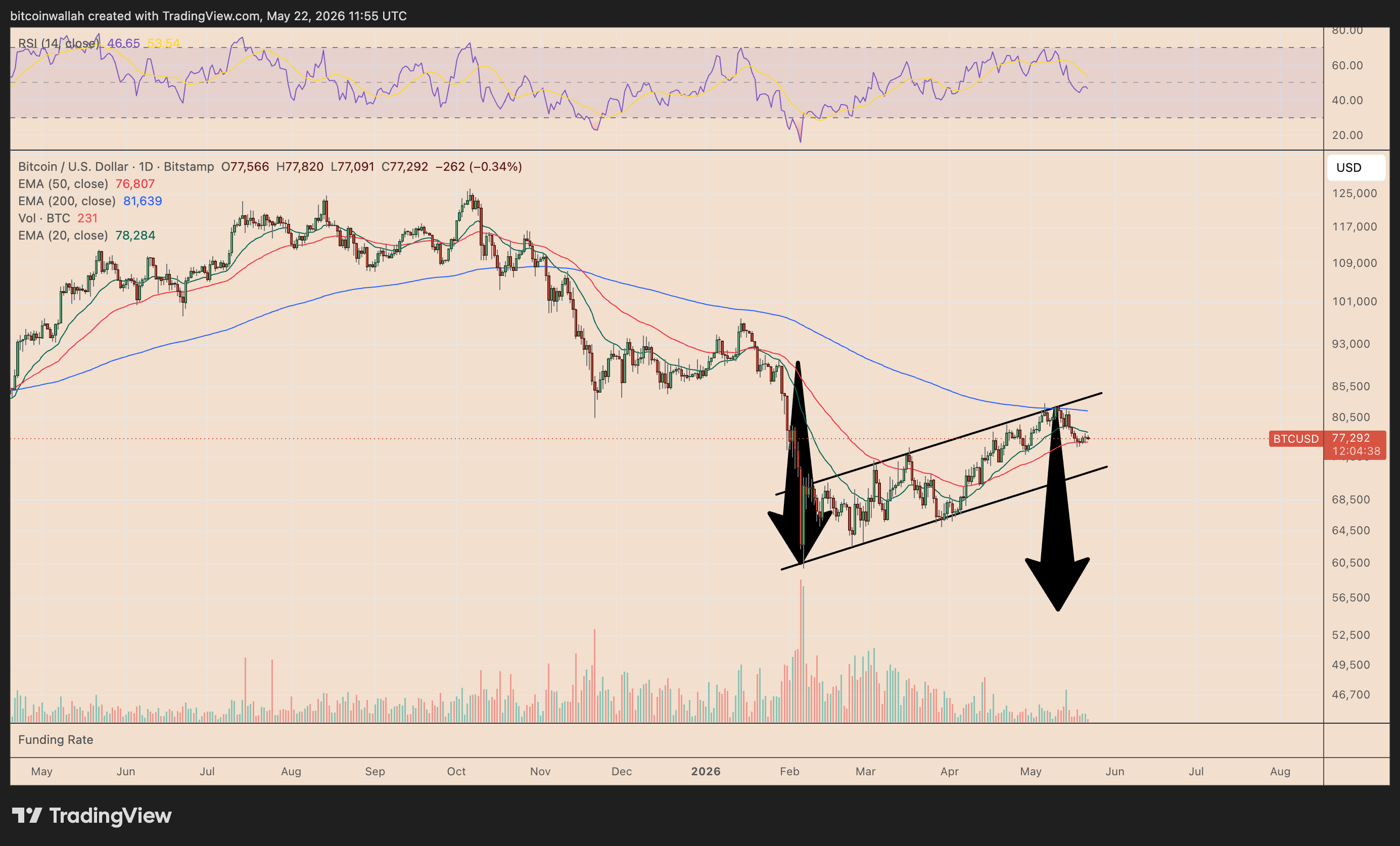
Currently, Bitcoin finds itself in a tug of war similar to 2022. While the onchain metrics are healing, the asset is struggling to decisively flip the $82,000 resistance level, a ceiling that has held firm despite multiple breakthrough attempts this month following a 35% rebound from February’s $60,000 lows.

To confirm this bullish signal, bitcoin must overcome the “exhaustion” presently visible in secondary metrics, Moreno suggested. Unlike the clean early-cycle entries of the past this move is clashing with a neutral Fear & Greed index and a complex macroeconomic backdrop.

While Arthur Hayes, chief investment officer of Maelstrom, did not mention CryptoQuant’s indicator, he echoed the sentiment that the cycle has shifted, stating he believes Bitcoin already found its bottom at $60,000 earlier this year. Hayes, who also co-founded the BitMEX exchange, pointed to $90,000 as the level at which the rally would turn explosive and head toward its previous high of $126,000.

Jason Fernandes, co-founder at AdLunam, concluded that while these indicators are useful, they are often misunderstood. “Metrics like MVRV (Market cap versus realized cap) or NUPL (net unrealized profit and loss) were never designed to be precise trading signals,” he said. “They are better viewed as behavioral frameworks for understanding where Bitcoin sits within a broader liquidity cycle.”

Senate Confirms Kevin Warsh as Fed Governor, with Chair Vote Expected

The US Senate has approved Kevin Warsh as the newest governor of the Federal Reserve, with a vote on his confirmation as chair of the central bank expected this week.

In a 51 to 45 vote in the US Senate on Tuesday, lawmakers sided on party lines, with the exception of Democratic Senator John Fetterman, to approve President Donald Trump’s nominee. The chamber immediately followed by approving a motion to invoke cloture on a vote for Warsh as the next Fed chair, setting up a potential vote soon.

Source: US Senate

The vote confirmed Warsh as a Fed governor for 14 years, and is expected to lead to lawmakers voting on his nomination for a four-year term as Fed chair. He previously served as a Fed governor under former US Presidents George W. Bush and Barack Obama from 2006 to 2011.

Jerome Powell, whose term as Fed chair ends on Friday, has faced Trump’s repeated threats to fire him. His term as a Fed governor will continue until 2028, but the shakeup in the leadership of the US central bank has the potential to move markets amid concerns over changing interest rates and the Fed’s independence from the White House’s policies. 

Related: Federal Reserve chair nominee’s disclosure includes crypto and AI holdings

Warsh said in a 2025 interview that Bitcoin (BTC) was a “transformative” technology and “an important asset that can help inform policymakers.” During his confirmation hearing in the Senate Banking Committee, however, many Democrats questioned whether as Fed chair he could remain independent from the president’s policy agenda.

Crypto market structure bill markup scheduled for Thursday

The vote on the nomination came the same week that US lawmakers on the Senate Banking Committee will choose whether to advance a digital asset market structure bill expected to change oversight and regulation of cryptocurrencies. On Monday, the panel’s leadership released the text of its version of the Digital Asset Market Clarity Act (CLARITY), that included a compromise provision on stablecoin yield that had long been a sticking point for many in the crypto and banking industries.

On Thursday, the banking committee will hold a markup on CLARITY, potentially setting the bill up for a vote in the full Senate.

Magazine: XRP ‘probably going to $12,’ Bitcoin ETFs add $1B: Market Moves

Cointelegraph is committed to independent, transparent journalism. This news article is produced in accordance with Cointelegraph’s Editorial Policy and aims to provide accurate and timely information. Readers are encouraged to verify information independently.

JPMorgan (JPM) to launch new tokenized fund as Wall Street tokenization race heats up

0

JPMorgan (JPM) is preparing to launch a tokenized money market fund, the latest sign that major financial institutions and Wall Street asset managers are speeding up efforts to move traditional assets onto blockchain rails.

A Tuesday filing with the U.S. Securities and Exchange Commission SEC) outlined plans for a blockchain-based money-market fund investing exclusively in short-term U.S. Treasuries, cash and overnight repo agreements backed by government securities.

The fund, dubbed JPMorgan OnChain Liquidity-Token Money Market Fund (JLTXX), will maintain blockchain-based token balances tied to investors’ ownership records, allowing approved users to submit purchase, redemption and transfer requests through Ethereum, the filing said. The underlying blockchain infrastructure will be operated by Kinexys Digital Assets, JPMorgan’s blockchain unit formerly known as Onyx.

The fund is structured to satisfy reserve asset requirements under the GENIUS Act, legislation aimed at regulating stablecoin issuers in the U.S. That could position the product as a yield-bearing reserve vehicle for stablecoin firms seeking compliant Treasury exposure.

The move comes only days after BlackRock (BLK), the world’s largest asset manager, filed paperwork for a new tokenized Treasury reserve vehicle and blockchain-based shares of an existing $7 billion money-market fund.

Tokenization — the process of creating blockchain-based representations of traditional financial assets — has become one of the hottest trends across finance and crypto markets. Supporters argue the technology can reduce settlement times, improve transparency and enable around-the-clock trading and collateral use.

The tokenized real-world asset market has grown more than 200% over the past year and now exceeds $32 billion, according to rwa.xyz data. Treasury products have emerged as one of the fastest-growing segments as institutions seek ways to earn yield on onchain cash.

JPMorgan has been among the most active traditional banks embedding blockchain infrastructure in traditional finances. In December, the bank launched a tokenized money-market fund called MONY on Ethereum, giving institutional investors blockchain-based access to short-term cash products. Through Kinexys, the bank has also processed tokenized collateral and settlement transactions for institutional clients.

OpenAI Launches Daybreak, a New Initiative to Challenge Glasswing

0

As more AI vendors seek to control how their technology affects cybersecurity, OpenAI on Tuesday introduced a program to help organizations identify, patch and validate software vulnerabilities in their code.

OpenAI Daybreak combines the intelligence of OpenAI’s GPT-5.5 models with Codex security to automate workflows such as threat modeling and remediation.

The initiative comes as both OpenAI and rival Anthropic compete on an almost monthly basis, targeting the cybersecurity market with new large language models (LLMs) such as Mythos from Anthropic and GPT-5.5-Cyber from OpenAI. Daybreak appears to be OpenAI’s answer to Anthropic’s much-publicized security-focused Project Glasswing

Daybreak also addresses a concern in the enterprise: many organizations fear that AI models will uncover vulnerabilities they cannot fix. That worry has multiplied following recent news that a threat actor used AI to develop a zero-day vulnerability, a type of threat that leaves cyber experts with no time to fix it.

“Security is under the spotlight,” said Gal Malachi, co-founder and CTO of Terra Security.

Projects such as Daybreak are important and beneficial to the cybersecurity community, he said.

“What OpenAI did is a good step forward because they’re not just giving you a bigger brain, they also give you a harness around that that allows you actually to have an orchestration around and handle vulnerabilities,” he added.

A Lot More Needed

However, OpenAI’s initiative does not fully address the current threats and vulnerabilities facing cybersecurity professionals, Malachi said.

“It will help with something that LLMs are familiar with,” he said. He added that the focus of both Daybreak and Mythos is on code because code is currently the most common application for generative AI.

However, “a lot of things happen until code reaches production,” Malachi continued, referring to the point in the development stage where the technology is being used and not necessarily the building phase. Preproduction is the phase in which developers build and write code for the application and software.

“Preproduction is one thing, and yes, you can see some vulnerabilities or potential vulnerabilities in the code, but still, good LLMs produce a lot of false positives,” he said. “We also need to understand how systems run in production; perhaps there are a lot of things that you don’t see from the code.”

Given the significant risks in production, it’s hard to tell exactly where the threat lies if an LLM is used, since generation happens in real time. Therefore, the demand for a possible answer to this problem that is more than a code-based tool is growing in the cybersecurity community.

“The industry is still learning and trying to understand how to code with it,” Malachi said. He said that enterprises should approach initiatives like Daybreak and models from AI labs such as Anthropic and OpenAI with caution and ensure they have the right tools and guardrails in place.