Share
Share
Share
Share
Email
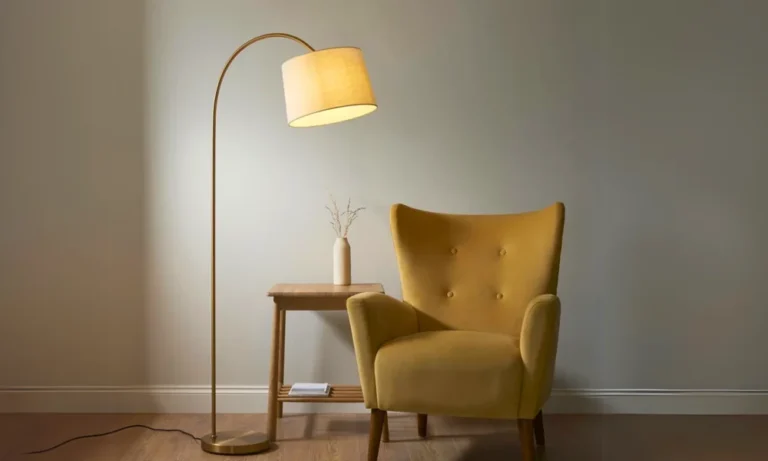
Walk into any modern home in the USA or Canada, and chances are you will notice one design element quietly stealing the spotlight arc lamps. These elegant, sweeping light fixtures have moved far beyond being just a functional source of light. Today, they’re style statements, problem-solvers, and conversation starters all rolled into one. As open living spaces become the norm rather than the exception, homeowners are rethinking how lighting fits into wide, flowing layouts without walls to rely on. That’s where arc lamps shine literally and figuratively.
Open-concept homes look amazing, but they come with a unique challenge: how do you light a large space without cluttering it with too many fixtures or relying solely on ceiling lights? Arc lamps answer that question beautifully. With their long, curved arms and focused light, they offer overhead-style illumination without needing installation, wiring, or permanent fixtures. Brands like Nova of California have played a huge role in popularizing this lighting style, blending iconic design with modern functionality.
From cozy evenings in a combined living-dining area to hosting guests in expansive loft-style homes, arc lamps bring balance, warmth, and sophistication. They’re not just lighting solutions, they’re design tools. Let’s explore why arc lamps, especially Nova lighting California designs, have become a go-to choice for open living spaces across North America.
Understanding Open Living Spaces
What Defines an Open Living Space
An open living space is more than just knocking down a few walls. It’s a design philosophy that emphasizes flow, light, and connection. Typically, it combines areas like the living room, dining room, and kitchen into one expansive zone. This layout encourages interaction, maximizes natural light, and makes homes feel larger and more inviting. In the USA and Canada, open-concept designs have become especially popular in urban condos, suburban homes, and renovated mid-century properties.
However, with all that openness comes a design puzzle. Without walls to anchor furniture or define zones, homeowners often struggle to create visual separation while maintaining cohesion. Lighting plays a massive role here. It helps define areas, sets moods, and guides the eye. That’s why choosing the right lighting isn’t optional—it’s essential.
Lighting Challenges in Open-Concept Layouts
Traditional lighting solutions don’t always work well in open spaces. Ceiling fixtures might illuminate one area while leaving another dim. Table lamps can clutter surfaces, and recessed lighting can feel flat or impersonal. You need lighting that’s flexible, visually striking, and capable of spanning space without overwhelming it.
Arc lamps step in as the perfect middle ground. They provide overhead-style lighting without permanent installation, making them ideal for renters and homeowners alike. Their long reach allows them to hover over seating areas, dining tables, or reading nooks, all while staying grounded in a single spot. This makes them especially effective in large, open rooms where adaptability is key.
What Are Arc Lamps?
A Brief History of Arc Lamps
Arc lamps have a history rooted in modernist design. They gained popularity in the mid-20th century, particularly during the rise of minimalist and mid-century modern interiors. Designers wanted lighting that was functional but also sculptural—something that could stand on its own as a piece of art. The arc lamp, with its dramatic curve and clean lines, fit the bill perfectly.
Over time, arc lamps evolved from niche design pieces into mainstream lighting solutions. Brands like Nova of California helped refine and popularize these designs, making them accessible without sacrificing craftsmanship or style. Today’s arc lamps blend classic silhouettes with modern materials, making them relevant in both contemporary and transitional homes.
Key Design Features That Set Arc Lamps Apart
What makes arc lamps so distinctive is their structure. Unlike traditional floor lamps, arc lamps feature a curved arm that extends outward, allowing the light source to hang over a specific area. This creates the effect of a ceiling light without the need for installation. Many models also feature adjustable arms or swiveling shades, adding another layer of flexibility.
Materials play a big role too. From brushed metal finishes to marble bases, arc lamps often combine durability with elegance. Nova lamps, in particular, are known for their attention to detail—solid bases for stability, high-quality finishes, and thoughtfully designed proportions that work beautifully in open spaces.
Why Arc Lamps Work Perfectly in Open Living Spaces
Wide Light Coverage Without Ceiling Fixtures
One of the biggest advantages of arc lamps is their ability to cover a wide area with light. In open living spaces, this is a game-changer. Instead of relying on multiple light sources scattered around the room, a single arc lamp can illuminate a seating area, dining table, or workspace effectively.
This is especially useful in homes where installing ceiling fixtures isn’t practical or desired. Arc lamps offer the same overhead lighting effect without any commitment. You can move them, adjust them, or swap them out as your space evolves. That kind of flexibility is priceless in open-concept homes.
Seamless Zoning for Multi-Functional Areas
Open living spaces often serve multiple purposes: lounging, dining, working, and entertaining—all in one room. Arc lamps help define these zones subtly and stylishly. By placing an arc lamp over a sofa or reading chair, you instantly create a cozy nook without walls or dividers.
This zoning effect is one of the reasons Nova lighting California designs are so popular. Their arc lamps are designed with scale and balance in mind, making them ideal for large rooms where visual harmony matters. The lamp becomes a visual anchor, grounding the furniture arrangement and giving each area its own identity.
The Aesthetic Appeal of Arc Lamps
Sculptural Elegance and Visual Impact
Arc lamps aren’t just functional, they’re visually striking. Their sweeping curves add movement and drama to a space, breaking up the straight lines often found in modern interiors. In open living spaces, where furniture tends to sit low and wide, the vertical and horizontal reach of an arc lamp adds dimension and interest.
Think of an arc lamp as functional sculpture. It draws the eye upward and outward, making the room feel more dynamic. Nova of California has mastered this balance, creating arc lamps that feel bold without being overpowering. Their designs complement the space rather than competing with it.
Minimalist, Modern, and Mid-Century Styles
Another reason arc lamps are so popular is their versatility. They fit seamlessly into a wide range of design styles—from ultra-modern lofts to warm mid-century homes. Whether you prefer sleek metal finishes or softer, fabric-shaded designs, there’s an arc lamp that matches your aesthetic.
Nova lamps are particularly known for embracing this versatility. Their collections often feature clean lines, neutral finishes, and timeless silhouettes that age gracefully. This makes them a smart investment for homeowners who want lighting that won’t feel outdated in a few years.
Nova of California: A Legacy of Iconic Lighting
The Story Behind Nova of California
When talking about arc lamps and statement lighting, it’s impossible to ignore Nova of California. Founded in the late 1920s, Nova California built its reputation on blending artistic design with everyday functionality. At a time when lighting was purely utilitarian, Nova took a different route treating lamps as design-forward pieces that could define an entire room. This mindset positioned the brand as a pioneer, especially during the rise of mid-century modern interiors across the USA.
What makes Nova lighting California truly stand out is its consistency. Decade after decade, the brand has stayed committed to craftsmanship, proportion, and innovation. While trends come and go, Nova lamps have remained relevant because they don’t chase fads, they refine classics. Their arc lamps, in particular, showcase this philosophy beautifully. Each curve feels intentional, each base solid and grounding, each shade designed to distribute light comfortably across large, open areas.
In open living spaces, where one lighting piece often has to do the work of many, this heritage matters. Homeowners in both the USA and Canada gravitate toward Nova because they trust the brand’s ability to deliver lighting that’s not just stylish, but dependable. You’re not buying a lamp, you are investing in a piece of design history that still feels fresh.
Why Nova Lighting California Stands Out
There’s a reason Nova lighting California continues to dominate open-plan interiors. It comes down to three things: scale, balance, and quality. Many arc lamps on the market look great in photos but fall short in real spaces either too flimsy, too small, or poorly balanced. Nova avoids these pitfalls by designing lamps specifically for larger rooms.
Their arc lamps often feature heavy bases marble, metal, or composite materials that ensure stability even when the arm extends far over furniture. The proportions are carefully calculated so the lamp feels intentional rather than awkward. This attention to detail makes Nova lamps ideal for expansive living rooms, lofts, and open-concept homes where visual harmony is key.
Nova Lamps and Arc Lighting Innovation
Craftsmanship and Material Quality
One of the biggest reasons homeowners choose Nova lamps is the quality you can feel. These aren’t lightweight, disposable pieces. From the moment you assemble one, it’s clear that every component has been thoughtfully selected. Thick metal arms, reinforced joints, and premium finishes all contribute to a lamp that feels substantial and long-lasting.
In open living spaces, durability matters more than people realize. These are high-traffic areas where furniture gets moved, people gather, and daily life happens. Nova arc lamps are built to withstand this reality without losing their elegance. The finishes resist wear, the bases stay grounded, and the light output remains consistent over time.
Signature Designs That Define Nova California
Nova California has a knack for creating designs that feel iconic without being loud. Their arc lamps often feature clean silhouettes, neutral tones, and subtle details that elevate the overall look. Instead of flashy gimmicks, they focus on timeless appeal lamps that look just as good five or ten years from now.
This design approach resonates strongly in the USA and Canada, where homeowners increasingly value longevity and versatility. A Nova arc lamp can move with you from one home to the next adapting to different layouts and styles without feeling out of place.
Practical Benefits of Arc Lamps in Large Spaces
Space-Saving Floor Lighting Solutions
At first glance, arc lamps might seem large, but they’re surprisingly efficient when it comes to space. Unlike table lamps that require surfaces or ceiling fixtures that demand permanent installation, arc lamps occupy a single footprint on the floor while delivering overhead illumination.
This makes them ideal for open living spaces where flexibility is everything. You can place an arc lamp behind a sofa, next to a sectional, or in a corner and still light the center of the room. Nova lighting California designs excel here, offering long reaches without bulky bases that eat up valuable floor space.
Flexibility and Adjustability
Life changes, and so do living spaces. Furniture gets rearranged, new pieces come in, and rooms evolve. Arc lamps adapt effortlessly to these changes. Many models feature adjustable arms or rotating shades, allowing you to redirect light exactly where it’s needed.
This flexibility is especially valuable in open-concept homes where one area might serve multiple purposes throughout the day. Morning coffee, afternoon work, evening relaxation an arc lamp can support all of it without needing multiple light sources.
Arc Lamps vs Traditional Lighting Options
Arc Lamps vs Pendant Lights
Pendant lights are popular, but they’re not always practical in open living spaces. They require ceiling wiring, precise placement, and long-term commitment. If your layout changes, moving a pendant isn’t easy or cheap.
Arc lamps, on the other hand, offer the same downward lighting effect with zero installation. You get the look and function of a pendant with the freedom to move it anytime. This is one reason many homeowners in the USA and Canada are choosing arc lamps over hardwired options.
Arc Lamps vs Recessed Lighting
Recessed lighting is great for general illumination, but it often lacks warmth and character. It lights a room evenly but doesn’t create focal points or visual interest. Arc lamps fill that gap perfectly.
By adding an arc lamp, especially a statement piece from Nova of California, you introduce depth and personality into the space. The light feels more intentional, more humanless like a showroom and more like a home.
Choosing the Right Arc Lamp for Your Space
Size, Height, and Reach Considerations
Not all arc lamps are created equal. Choosing the right one depends heavily on your room’s size and layout. In open living spaces, scale is everything. A lamp that’s too small will feel insignificant, while one that’s too large can overwhelm the room.
Measure the area you want to light and consider how far the arm needs to extend. Nova lamps often provide generous reach, making them ideal for larger rooms. Pay attention to height as well the shade should hover comfortably above seating areas without feeling intrusive.
Matching Arc Lamps With Interior Themes
Arc lamps are incredibly versatile, but matching them to your interior style enhances their impact. For modern spaces, sleek metal finishes work beautifully. For mid-century or transitional homes, softer tones and fabric shades add warmth.
Nova lighting California offers a wide range of designs that blend seamlessly with different aesthetics, making it easier to find a lamp that feels like it belongs rather than stands out awkwardly.
Nova Lighting for Homes in the USA and Canada
Popular Trends Across North American Homes
Open living spaces dominate residential design across the USA and Canada, from urban condos to suburban family homes. With this trend comes a demand for lighting that’s flexible, stylish, and efficient. Arc lamps meet all these needs effortlessly.
Homeowners are also leaning toward statement pieces that serve both form and function. Nova of California fits perfectly into this trend, offering lighting that feels intentional and elevated without being over-the-top.
Why Nova Lighting Resonates With Modern Lifestyles
Modern life is dynamic, and homes need to keep up. Nova lighting resonates because it supports real living hosting, relaxing, working, and entertaining all in one space. Their arc lamps adapt to these shifts seamlessly, making them a natural choice for contemporary homes.
Styling Tips: Making Arc Lamps the Centerpiece
Placement Strategies for Maximum Impact
Placement can make or break an arc lamp’s impact. Positioning the base behind furniture allows the arm to extend naturally over the seating area, creating a cozy, well-lit zone. In open spaces, this also helps visually anchor furniture arrangements.
Avoid placing arc lamps too close to walls unless intentional. Giving them room to breathe highlights their sculptural quality a strength of Nova lamps in particular.
Pairing Arc Lamps With Furniture and Decor
Arc lamps pair beautifully with low-profile furniture, sectionals, and round coffee tables. Their curves soften sharp angles and balance straight lines. Adding textured throws, area rugs, or accent chairs enhances the layered look.
Energy Efficiency and Modern Technology
LED Integration in Nova Lamps
Many modern Nova lamps are designed with LED compatibility, offering energy efficiency without sacrificing brightness. LEDs last longer, consume less power, and produce less heat—ideal for large spaces that require extended lighting.
Sustainability and Long-Term Value
Choosing quality lighting is a sustainable decision. Instead of replacing cheap fixtures every few years, investing in a well-made arc lamp reduces waste and saves money long term. Nova of California’s commitment to durability supports this eco-conscious mindset.
Common Mistakes to Avoid When Using Arc Lamps
Overcrowding the Space
Arc lamps work best when they have room to shine. Avoid crowding them with too many decorative elements. Let the lamp be a focal point.
Ignoring Proportions and Scale
Always consider scale. A well-proportioned arc lamp enhances the room, while a poorly sized one disrupts balance.
The Future of Arc Lamps in Interior Design
Evolving Trends in Open Living Spaces
As homes continue to favor open layouts, lighting will play an even bigger role in defining space. Arc lamps are perfectly positioned to remain relevant, offering adaptability and style.
Why Arc Lamps Are Here to Stay
Arc lamps aren’t a trend they are a solution. Their ability to blend form, function, and flexibility ensures they’ll remain staples in modern interiors.
Conclusion: Why Arc Lamps Are a Smart Investment
Arc lamps have earned their place in open living spaces by solving real design challenges while adding undeniable style. With brands like Nova of California leading the way, homeowners in the USA and Canada can enjoy lighting that’s practical, beautiful, and built to last. Whether you’re defining zones, adding warmth, or making a statement, an arc lamp is more than a lighting choice it’s a design decision you won’t regret.
FAQs
Do arc lamps provide enough light for large open spaces?
A single arc lamp typically illuminates a specific zone within an open space a seating area or dining table. For comprehensive lighting throughout a large open layout, you’ll likely need multiple light sources, but arc lamps excel at providing focused overhead illumination where you need it most without requiring electrical work.
How stable are arc lamps with the extended arm?
Quality arc lamps feature weighted bases engineered to counterbalance the extended arm safely. Proper base weight and design prevent tipping during normal use. Always ensure the base sits on level flooring and away from high-traffic areas where it might be bumped.
Can arc lamps work in rooms with low ceilings?
Standard arc lamps work best with ceilings at least 8 feet high. For lower ceilings, look for compact arc designs with shorter vertical reach or adjustable arms that can be positioned to avoid overhead clearance issues while still providing the characteristic overhead lighting effect.
Are arc lamps difficult to move or reposition?
Most arc lamps can be repositioned by one person, though the weighted base makes them heavier than typical floor lamps. The ability to relocate easily is actually one of their key advantages over fixed ceiling fixtures, allowing you to adjust your lighting as your space evolves.
How do I clean and maintain an arc lamp?
Dust metal components regularly with a soft cloth. Clean shades according to their material—wipe glass or metal shades with appropriate cleaners, vacuum fabric shades gently. Check adjustment points periodically to ensure they remain secure. LED bulbs reduce maintenance frequency compared to traditional bulbs.