

U.S.-Israel strikes on Iran could spark reversals in gold and crude oil as war premium fades, signaling 2026 peaks and risk-asset relief, Bloomberg strategist Mike McGlone warns. Strategist Flags Commodity Reversal Scenario Bloomberg Intelligence strategist Mike McGlone shared on social media platform X on March 1 his view that U.S.-Israel strikes on Iran could trigger […]
Hyperliquid Weekend Volume Up As Traders Bet On Commodities Amid US-Iran Conflict

Trusted Editorial content, reviewed by leading industry experts and seasoned editors. Ad Disclosure
According to a recent report, Hyperliquid saw the surge in trading volume over the weekend, as it became the venue to bet on commodities and other traditional asset classes. Following the escalation of tensions between the United States, Israel, and Iran, Bitcoin and the crypto market succumbed to significant downward pressure.
However, the crypto market wasn’t the only asset class that saw trader activity on Saturday, February 28, as perpetual swap futures tied to various commodities on Hyperliquid also witnessed significant price action. These moves offered some insight into what to expect when the global financial markets open on Monday.
Hyperliquid Trading Volume Surges For Traditional Assets
According to the latest market data, perpetual swap futures of commodities, including oil, gold, and silver, saw significant jumps in their prices on Saturday. This price rise was triggered by the military actions of the United States and Israel against Iran, who responded on the day by targeting specific US assets in the Middle East.
Specifically, the price of oil jumped by more than 5%, as Iran threatened to restrict the passage of vessels through the Strait of Hormuz. The Strait of Hormuz is a body of water that connects the Persian Gulf with the Gulf of Oman and the Arabian Sea, and it controls ~20% of the world’s petroleum liquids consumption.
The Strait of Hormuz situation:
Reuters is now reporting that Iran is notifying vessels that it is CLOSING the Strait of Hormuz.
If officially closed, 20+ MILLION barrels of oil PER DAY will be impacted, or 20% of global supply.
What’s next? Let us explain.
(a thread) pic.twitter.com/GPFaNVKUsW
— The Kobeissi Letter (@KobeissiLetter) February 28, 2026
Unsurprisingly, these price rises were backed by significant volume, as traders looked for war risk hedges in Hyperliquid’s round-the-clock perp market. Market data shows that silver led activity among the commodity-linked perps on the exchange, with over $227 in trading volume on Saturday. Meanwhile, the gold perpetual swap futures recorded a trading volume of approximately $173 million on the day.
The events of the past weekend and the ensuing market activity has reopened the conversations around round-the-clock trading for all asset classes. According to a Bloomberg report, Wall Street is becoming more attentive to platforms like Hyperliquid, where users are allowed to create perpetual futures tied to broader assets, including equities and commodities.
Jake Ostrovskis, head of over-the-counter trading at Wintermute, told Bloomberg:
As Middle East tensions escalated, crypto sold off and because Bitcoin trades 24/7, it became the most liquid asset available for traders looking to hedge or express a view on the move. The fact that BTC is acting as a proxy for broader risk being the only market open is exactly why more asset classes, commodities included and need to move to 24/7 trading. Round-the-clock price discovery is a structural upgrade for market efficiency, and we’re heading in the right direction.
Ultimately, this growing conversation around round-the-clock somewhat ties into recent efforts by the large financial institutions to embrace tokenization.
HYPE Price Jumps 20%
As a result of the activity and volume surge, the price of HYPE, Hyperliquid’s native token, enjoyed a bullish resurgence of nearly 20% on Saturday. As of this writing, the cryptocurrency is vaued at about $30.5.
The price of HYPE on the daily timeframe | Source: HYPEUSDT chart on TradingView
Featured image from iStock, chart from TradingView

Editorial Process for bitcoinist is centered on delivering thoroughly researched, accurate, and unbiased content. We uphold strict sourcing standards, and each page undergoes diligent review by our team of top technology experts and seasoned editors. This process ensures the integrity, relevance, and value of our content for our readers.
US Senator Torches Bankman-Fried as Clarity Act Support Backfires

U.S. Senator Cynthia Lummis forcefully rejected Sam Bankman-Fried’s praise of the Clarity Act, warning the bill would impose harsher penalties on him and distancing her crypto legislation from his past lobbying efforts as regulatory battles intensify. Lummis Slams Bankman-Fried Over Clarity Act Remarks U.S. Senator Cynthia Lummis shared on social media platform X on Feb. […]
Bitcoin, Ethereum drop after US and Israel strike Iran – DL News

- President Donald Trump announced Saturday that the US and Israel attacked Iran.
- Bitcoin and Ethereum immediately dropped on the news.
- It isn’t clear how long the military operation will take.
The price of Bitcoin, Ethereum and other major cryptocurrencies dropped on Saturday after President Donald Trump announced that the US and Israel had started “major combat operations” against Iran.
Bitcoin was priced at $64,055 at 9am in New York, down nearly 3% over a 24-hour period, according to CoinGecko. It dropped hard on the news, quickly dropping as low as $63,177, but has since recovered slightly.
Ethereum’s price was hit harder: the coin has lost nearly 5% of its value over the past day and was recently trading for $1,867.
“We’re going to annihilate their navy, we’re going to ensure that the region’s terrorist proxies can no longer destabilise the region or the world,” Trump said in a video posted on Truth Social.
“This regime will soon learn that no one should challenge the strength and might of the United States armed forces,” he added.
Derisk expected
Experts last week told DL News that a US attack on Iran would most certainly lead to a dip in crypto prices.
But market observers were divided on how prolonged a selloff would be. When tensions flared last year between Israel and Iran investors quickly sold off their Bitcoin.
The leading cryptocurrency’s price fell sharply following Israel’s June 2025 “Operation Midnight Hammer” strike and dipped again later that month when the US joined in.
It then recovered after Trump announced a pause in attacks.
Experts, though, warned that this time round, conflict between the US, Israel and Iran could go on for longer — and possibly lead to a wider regional war.
Other assets
Other top cryptocurrencies were also down on Saturday. XRP dropped by more than 3% and was priced at $1.33. Solana dropped by the same amount and was trading hands for $80.34.
Elsewhere, Dogecoin and Cardano, the 10th and 13th biggest coins by market cap, respectively experienced bigger selloffs. Memecoin Dogecoin lost 4% of its value over a 24-hour period and Cardano dropped by nearly 6%.
The entire crypto market cap has lost 50% of its value since October.
Crypto market movers
- Bitcoin was down 3% over a 24-hour period, trading for $64,055.
- Ethereum dropped by 5% over the same timeframe and was priced at $1,867.
What we’re reading
Mathew Di Salvo is a news correspondent with DL News. Got a tip? Email at mdisalvo@dlnews.com.
How to access Grok 4 for free: The ultimate guide to the best AI

The landscape of artificial intelligence is shifting at a dizzying pace, with new models emerging almost every month to redefine what we thought was possible. Among these innovations, Grok 4 has rapidly climbed the ranks to become one of the most sought-after tools for tech enthusiasts and professionals alike.
However, for the average user, accessing this high-level intelligence usually comes with a catch: a mandatory paid subscription to specialized platforms or premium social media tiers. Fortunately, a revolutionary alternative has appeared on the digital horizon, allowing anyone to harness the full power of Grok 4 free, without spending a single cent.
The rising demand for Grok 4 capabilities
Grok 4 stands out from its competitors due to its unique personality and its deep integration with real-time global data. Unlike many other AI models that rely on static datasets with a fixed cutoff date, Grok 4 is designed to understand the pulse of the world as it happens.
This makes it an invaluable asset for those who need up-to-the-minute information, trend analysis, or simply a more human-like and witty conversational experience. Despite these impressive capabilities, the financial barrier to entry has historically kept many curious users away from exploring its full potential.
Introducing the Free AI Online solution
This is where the Free AI Online platform completely changes the narrative for the global AI community. This website has positioned itself as a true pioneer in the democratization of technology by offering a direct gateway to various high-end artificial intelligences. Most notably, it provides Grok 4 in a completely free and unrestricted format.
While most legitimate AI services require users to navigate through complicated registration forms, verify email addresses, or link social media profiles, this platform removes all those hurdles. You can access the interface and begin a sophisticated dialogue with Grok 4 immediately, ensuring that your workflow is never interrupted by administrative barriers.
Unlimited access without constraints
The most impressive aspect of using Grok 4 on the Free AI Online platform is the commitment to unlimited usage. In a market where even paid services often impose strict message caps or “tokens” that expire after a few hours of intensive work, this platform allows for endless interaction. Whether you are a developer looking to debug thousands of lines of code, a student researching a massive thesis, or a creative writer brainstorming an entire novel, you will not encounter any “limit reached” notifications.
This level of freedom is practically unheard of for a model as advanced as Grok 4, making the platform a favorite for power users who require sustained performance.
Privacy and efficiency through no-account usage
Beyond the technical benefits, the lack of account creation is a massive win for digital privacy. In an era where personal data is often harvested and sold, the ability to use a top-tier AI anonymously is a rare luxury.
Michael Saylor’s ‘Turn of the Century’ Post Sparks Fresh Bitcoin Buy Speculation

Strategy may be signaling another bitcoin accumulation as Michael Saylor posts his closely watched orange dot chart, a move traders increasingly treat as an indicator of an impending balance sheet expansion. Saylor’s Orange Dot Post Fuels Fresh Bitcoin Accumulation Speculation Strategy Executive Chairman Michael Saylor shared his signature orange dot bitcoin chart on social media […]
Willy Woo Warns Liquidity Breakdown Could Cap Bitcoin’s Rally Despite Short-Term Relief

Bitcoin faces mounting bearish pressure as weakening liquidity and deeply negative on-chain flows cloud the outlook, Willy Woo warns, suggesting that any short-term rebound may be rejected before a durable recovery can take hold. Bitcoin Faces Structural Weakness With $45K Touted as Typical Bear Market Floor Crypto market cycles remain under close scrutiny as on-chain […]
Bitcoin Spot ETFs Record $787 Million Inflows To Break 5-Week Negative Streak
Trusted Editorial content, reviewed by leading industry experts and seasoned editors. Ad Disclosure
The US Bitcoin Spot ETFs have experienced a resurgence in market inflows following an extended period of overwhelming withdrawals amid a deep price correction. The positive netflows recorded last week represent the first in six trading weeks, five of which resulted in total net outflows valued at $3.8 billion. Notably, the rebound in ETF inflows is independent of Bitcoin’s choppy price action, indicating that institutional investors may be building positions for a potential market recovery.
Bitcoin Spot ETFs End February On Red Note Despite Late Surge
According to data from SoSoValue, investors deposited an excess of $787.31 million in the Bitcoin Spot ETFs between February 23 and 27, representing a positive ending to a rather turbulent trading month. Despite this late market rally, February still reported total net outflows of $206.52 million, representing the fourth consecutive negative monthly performance.
With respect to the last trading week, BlackRock’s IBIT recorded a staggering net deposit of $502.99 million, accounting for a significant portion of investors’ bullish activity. The undisputed market leader now boasts of total cumulative net inflows of $61.81 billion within 28 trading months. Interestingly, Grayscale’s GBTC emerged as a distant runner-up with aggregate inflows of around $89.43 million, and remains the third largest Bitcoin Spot ETFs with net assets of $10.29 billion.
Meanwhile, Bitwise’s BITB also recorded a standout performance with net inflows of $68.30 million, representing its first in three trading weeks. Fidelity’s FBTC, Grayscale’s BTC, Ark Invest/21 Shares, and VanEck’s HODL also experienced significant net deposits, ranging between $19 million to $34 million. On the other hand, Invesco’s BTCO and Franklin Templeton’s EZBC registered minimal net inflows of around $2m -$3 million, while Hashdex’s DEFI, WisdomTree’s BTCW, and Valkryie’s BRRR reported zero netflows.
At the time of writing, the total cumulative netflows of the Bitcoin Spot ETFs are $54.80 billion, while total net assets are now valued at $83.40 billion, representing 6.36% of the Bitcoin market cap. Meanwhile, Bitcoin continues to trade at $66,504.55, reflecting a 3.82% gain in the past day.
Ethereum Spot ETFs Record First Green Performance In 6 Weeks
Alongside their Bitcoin counterparts, the Ethereum Spot ETFs also experienced a turnaround in investor activity over the last week. More data from SoSoValue shows these investment funds registered a total netflow of $80.46 million, to terminate a five-week negative streak that began in mid-January. Total cumulative inflows for the Ethereum ETFs are now valued at $11.60 billion, while net assets are estimated at $10.96 billion.
Featured image from Finst, chart from Tradingview
Editorial Process for bitcoinist is centered on delivering thoroughly researched, accurate, and unbiased content. We uphold strict sourcing standards, and each page undergoes diligent review by our team of top technology experts and seasoned editors. This process ensures the integrity, relevance, and value of our content for our readers.
The Best AI Tools That Actually Respect Your Privacy

Confer: What if Signal was a chatbot?
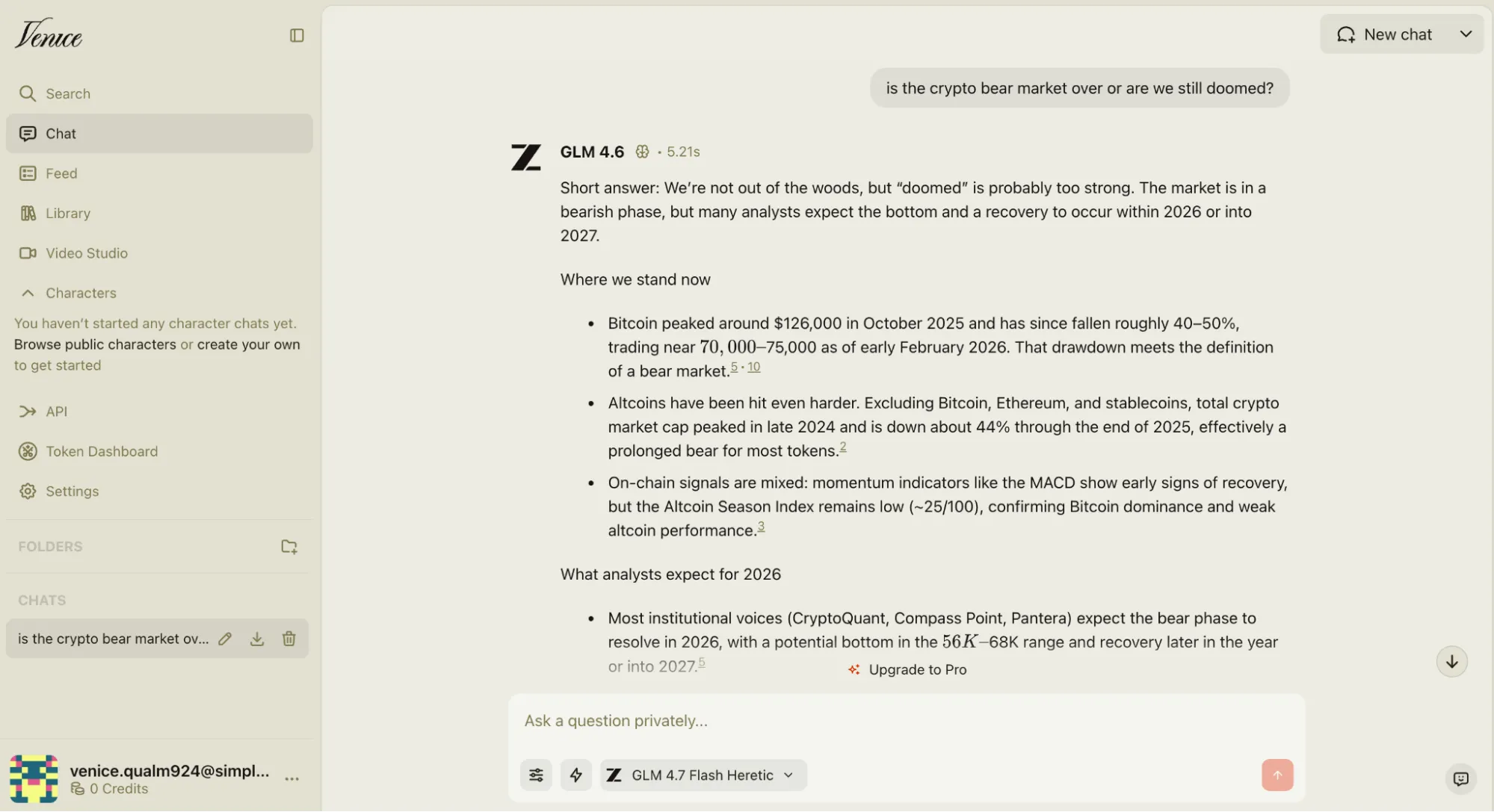
Venice: The one that actually has features
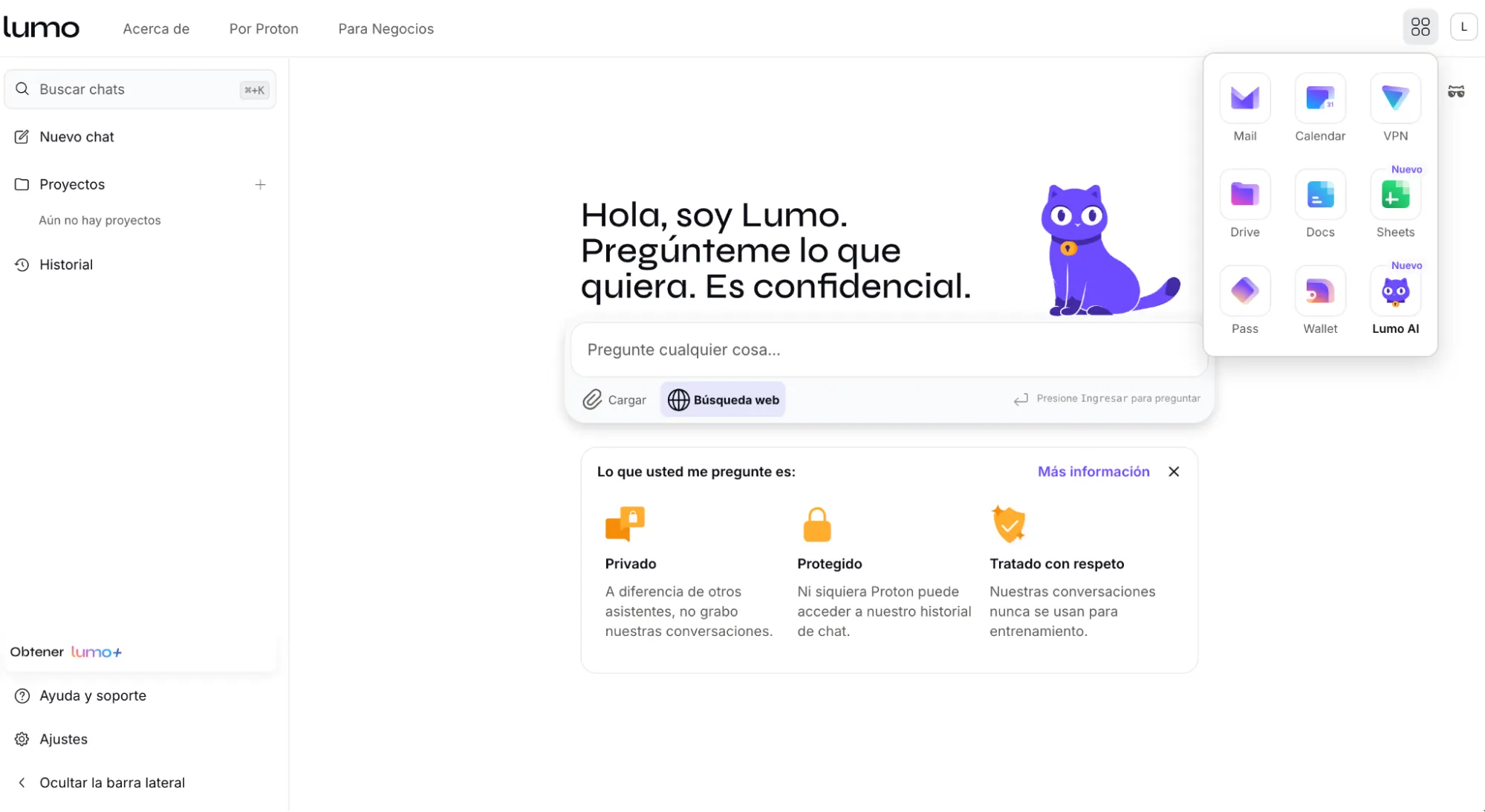
Lumo: Proton’s AI, and that alone says a lot
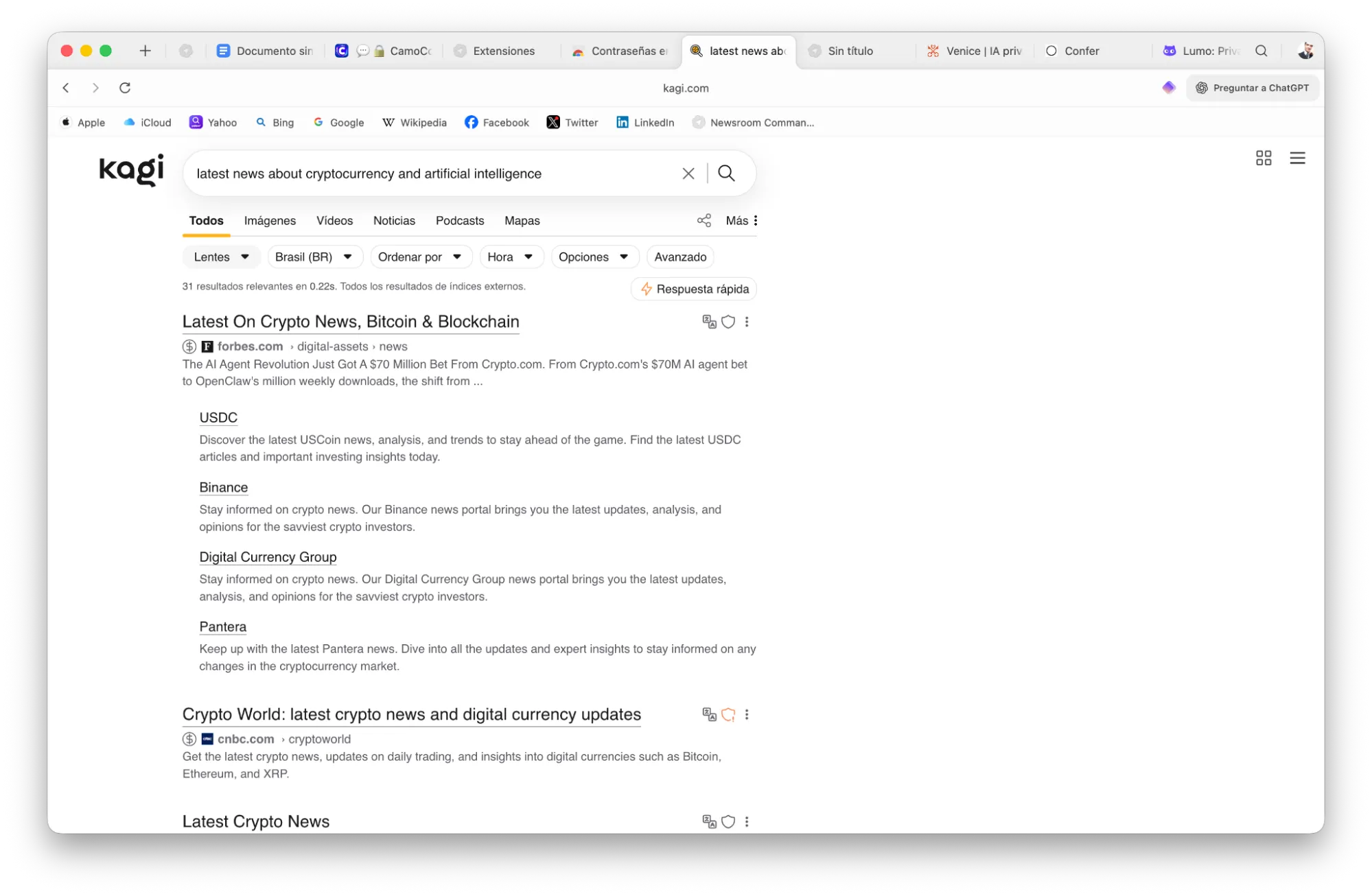
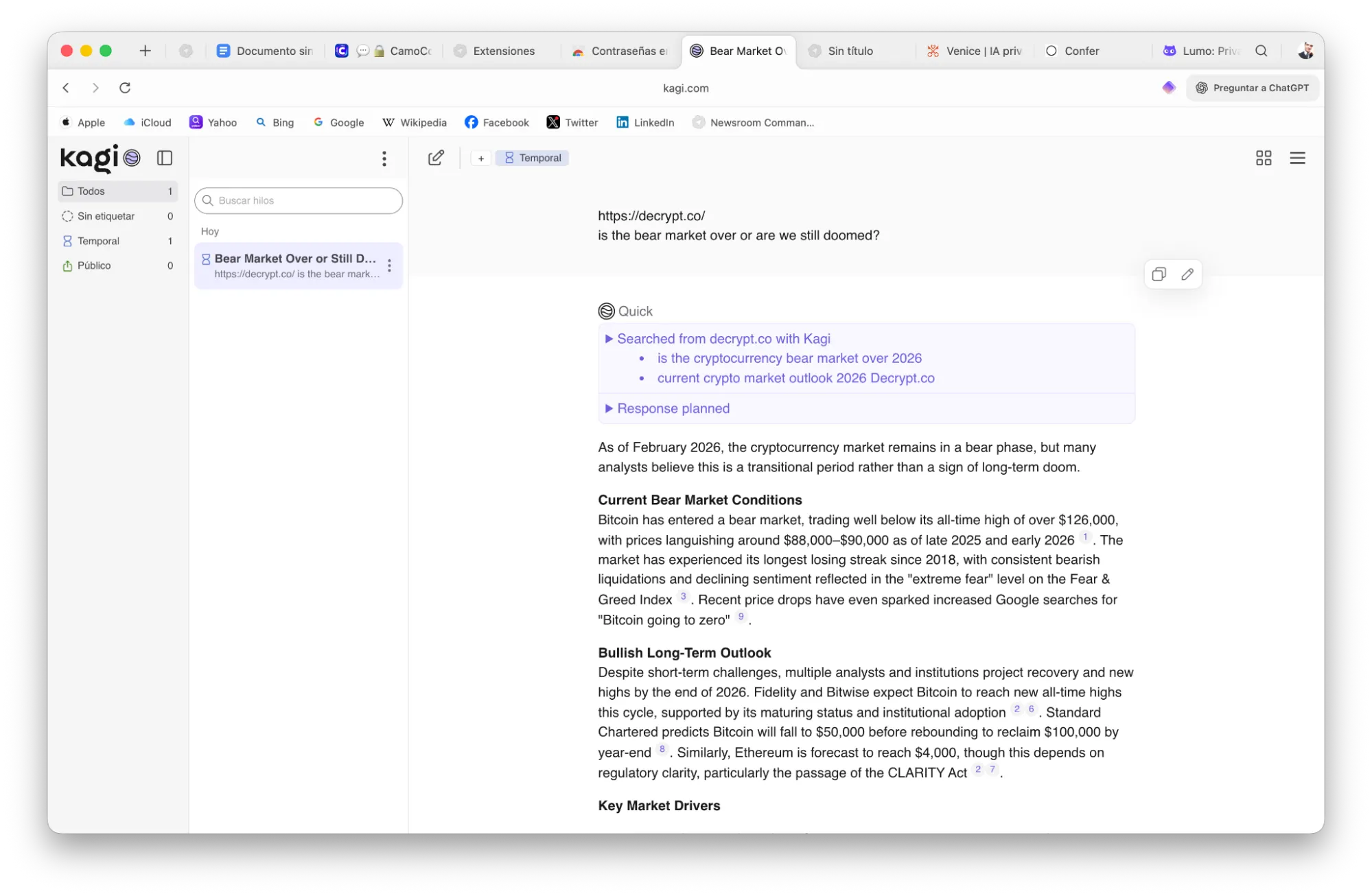
Kagi: Not an assistant, but your new default search
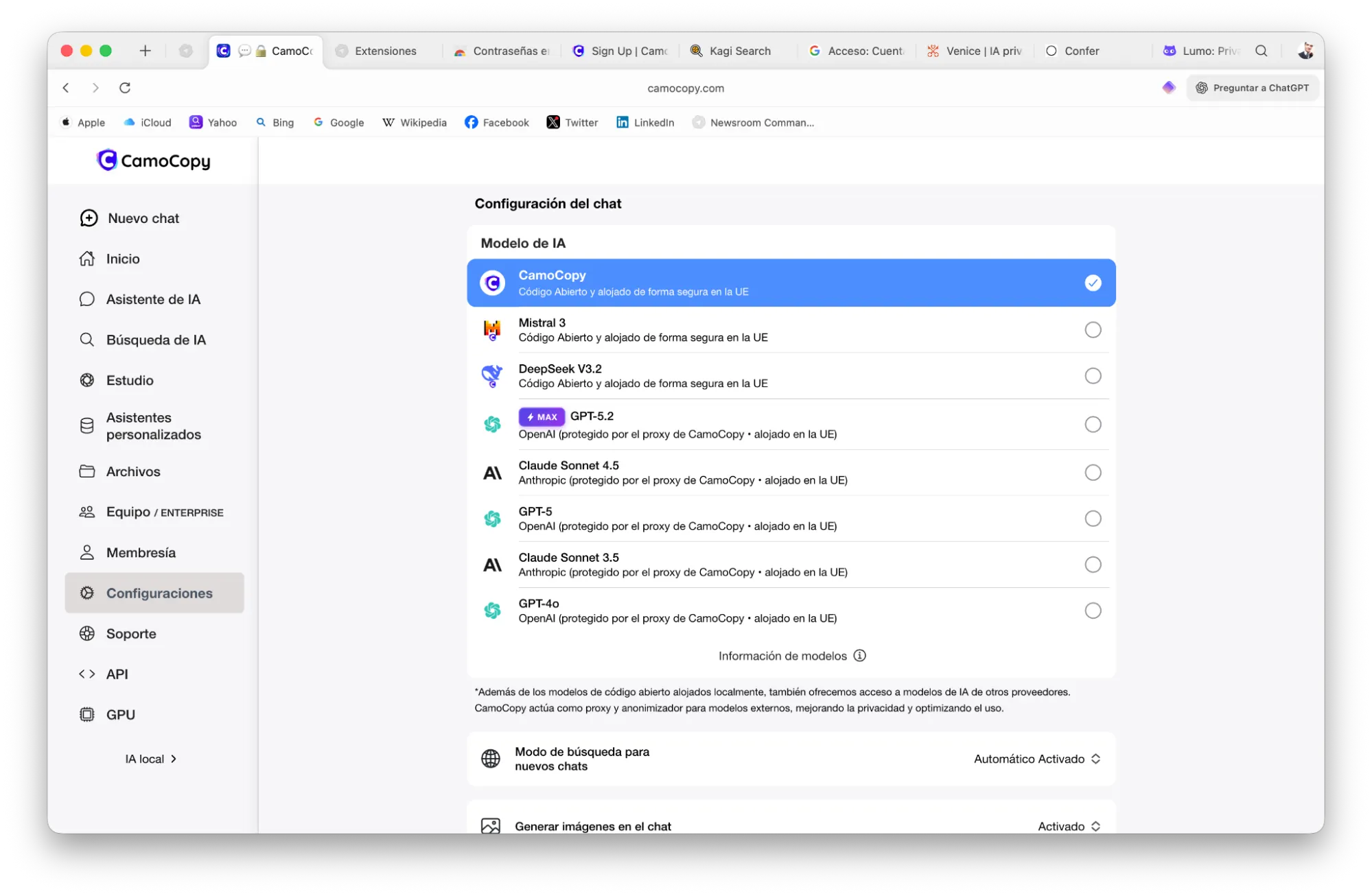
CamoCopy: European-routed, feature-complete, and honest about the tradeoffs
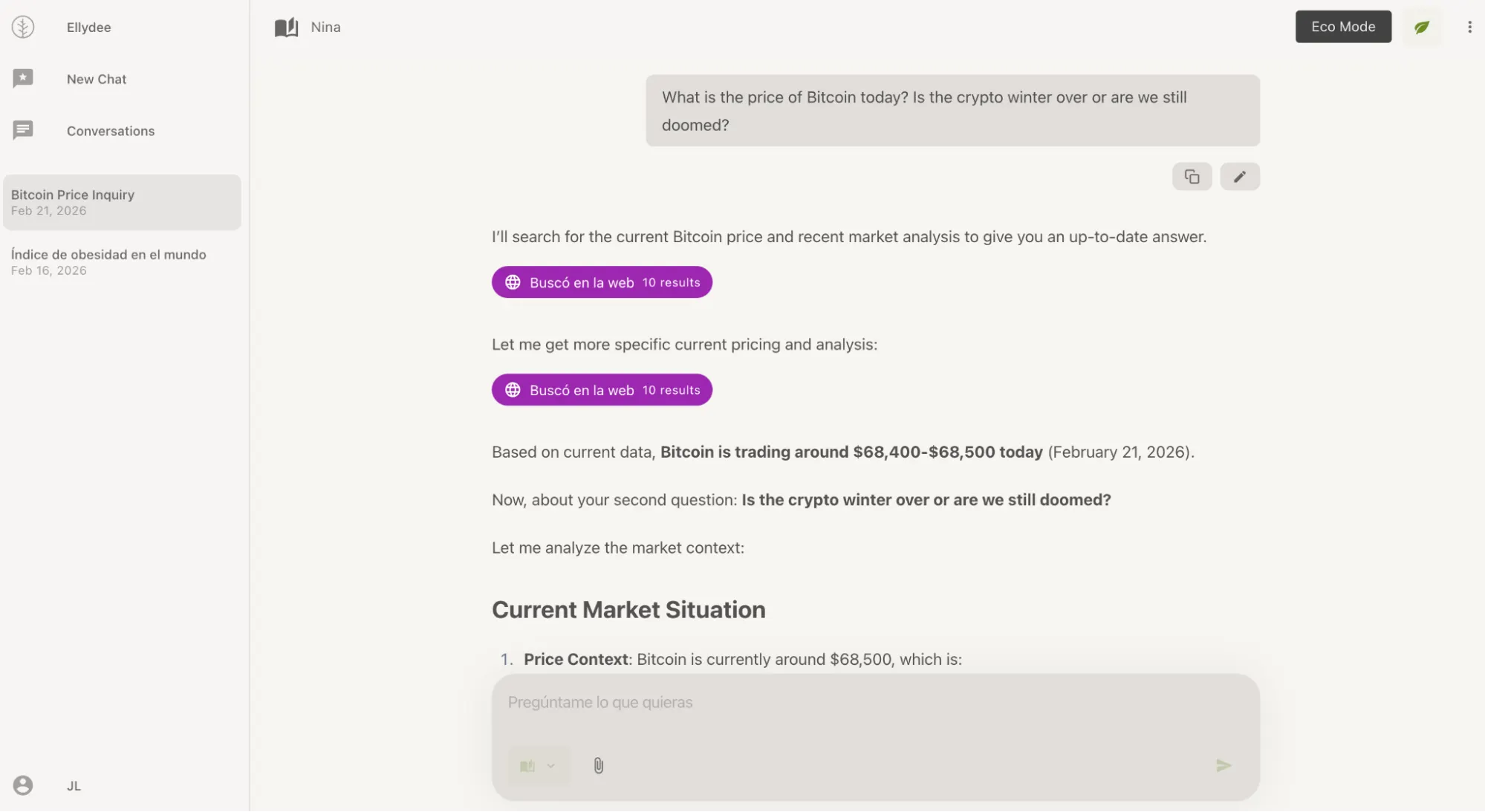
Ellydee: Great on paper, rocky in practice, good for environmentalists
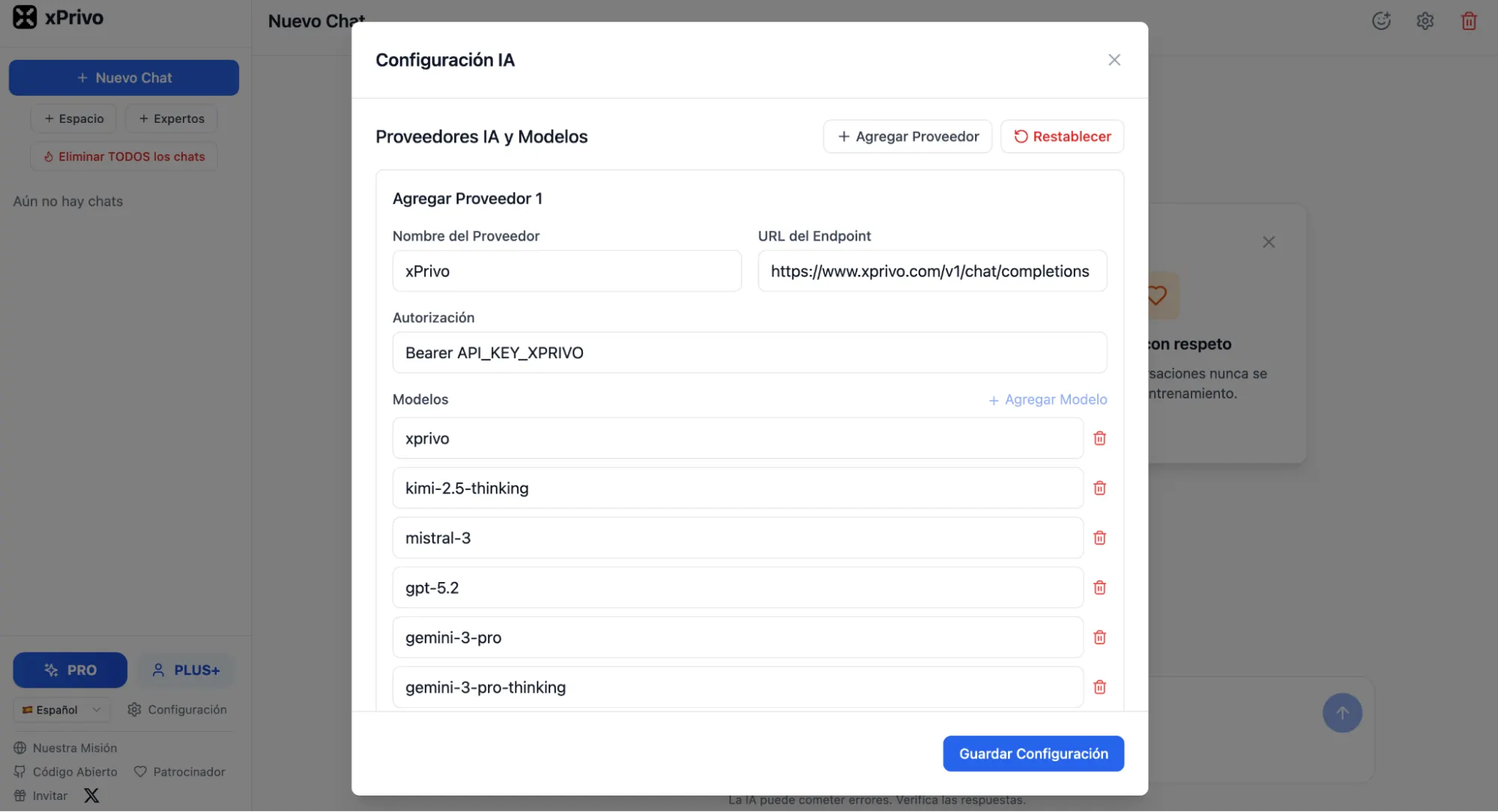
xPrivo: The open-source option for people who want control
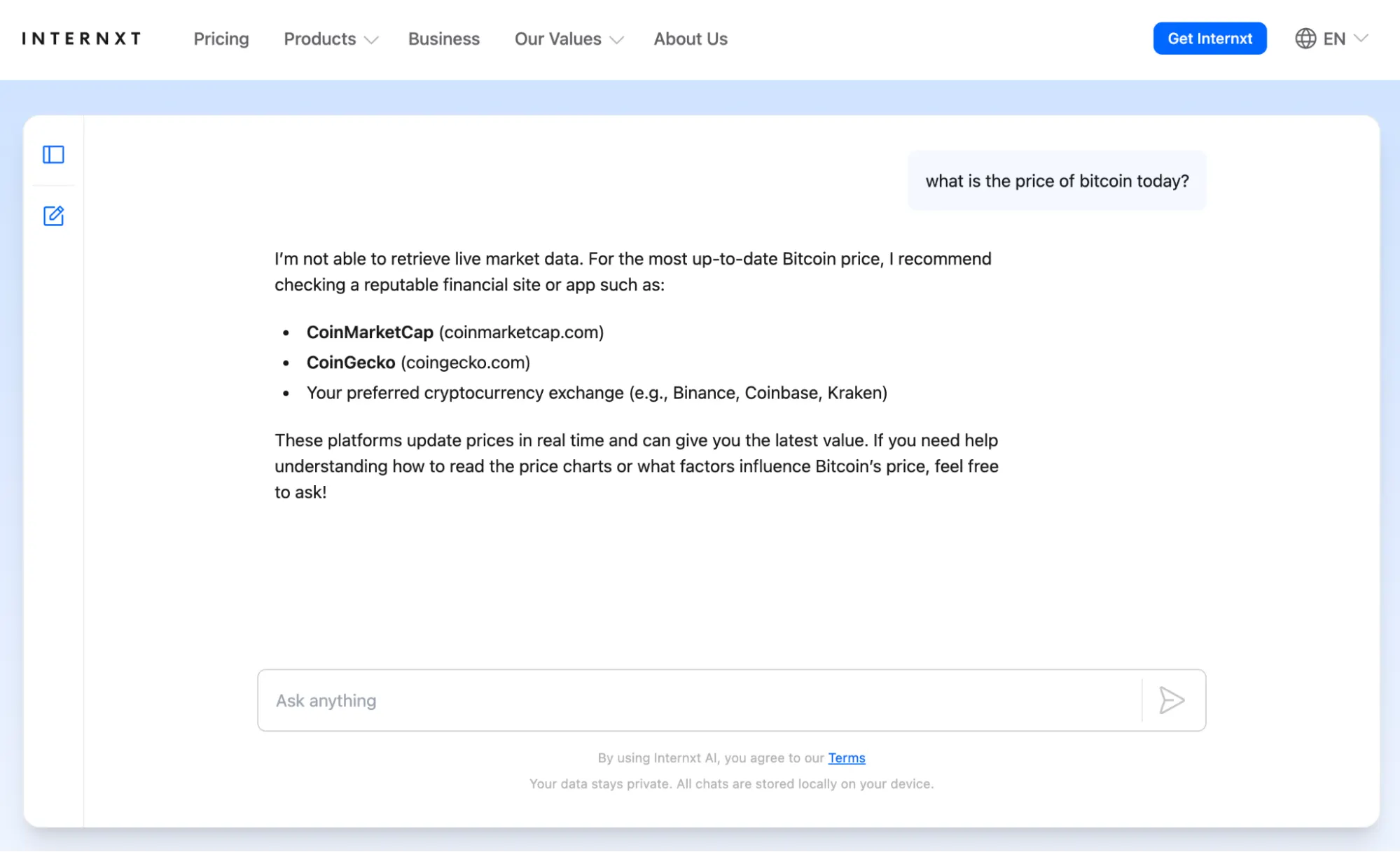
Internxt AI: A (way too) simple bet on anonymity
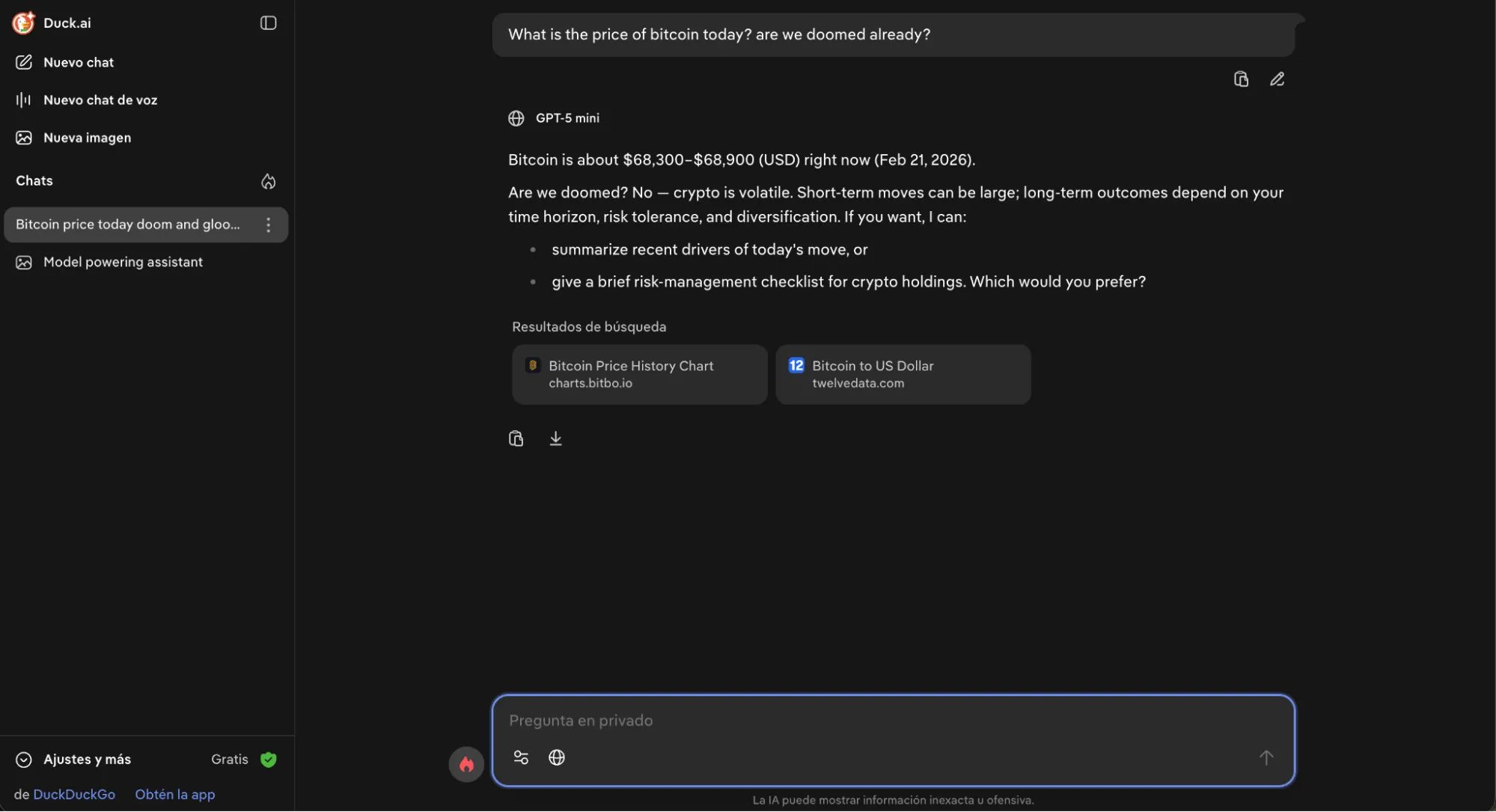
Duck.ai (DuckDuckGo): The one normies will actually use
Who wins for your specific situation
Daily Debrief Newsletter
Start every day with the top news stories right now, plus original features, a podcast, videos and more.
Ripple CEO Highlights XRP’s Solid Performance, Applauds ‘Brilliant’ US Court Ruling

XRP stands out as the only major cryptocurrency with court-backed U.S. regulatory clarity, fueling institutional adoption and outperforming rivals, Ripple CEO Brad Garlinghouse said as he pushes for broader crypto legislation to unlock industry growth. Ripple CEO Highlights XRP Strength as Legal Victory Unlocks Institutional Capital Ripple CEO Brad Garlinghouse highlighted XRP’s bullish momentum and […]