


RedStone, a decentralized oracle provider, has launched a new settlement layer for decentralized finance, aiming to make tokenized real-world assets (RWAs) usable as collateral in lending protocols.
The system, called RedStone Settle, is designed to address a long-standing structural issue in DeFi. While lending platforms such as Aave rely on near-instant liquidations to manage risk, RWAs, including tokenized funds and bonds, typically have redemption periods ranging from 60 to 180 days. This mismatch has largely prevented RWAs from being used as collateral.
According to RedStone, the new layer introduces an onchain auction mechanism that is triggered during liquidation events. Liquidity providers can step in to purchase positions immediately, supplying protocols with liquidity while assuming the delayed redemption risk tied to the underlying assets.
The Baar, Switzerland-based company said the approach could help unlock more than $30 billion in tokenized RWAs currently sitting idle in DeFi, while allowing users to borrow against yield-generating positions more efficiently.
That figure broadly aligns with estimates of the current RWA market. Excluding stablecoins, tokenized real-world assets are valued at over $30 billion, led by products such as US Treasury exposure and private credit, according to RWA.xyz.
Tokenized RWA market. Source: RWA.xyz
Related: Flow Capital plans to tokenize $150M private credit fund via DigiFT: Report
Tokenization alone doesn’t solve liquidity constraints
RedStone’s product launch comes amid growing debate over whether tokenization meaningfully improves liquidity.
As previously reported by Cointelegraph, industry participants at this month’s Paris Blockchain Week said putting assets onchain does not automatically make them tradable or usable in financial markets.
Tokenized real-world assets continue to face structural limitations, particularly in liquidity and settlement speed.
“I think there’s still this idea that tokenizing something illiquid will somehow magically make it a liquid asset, which is just not true,” said Oya Celiktemur of Ondo Finance during a panel hosted by Cointelegraph.
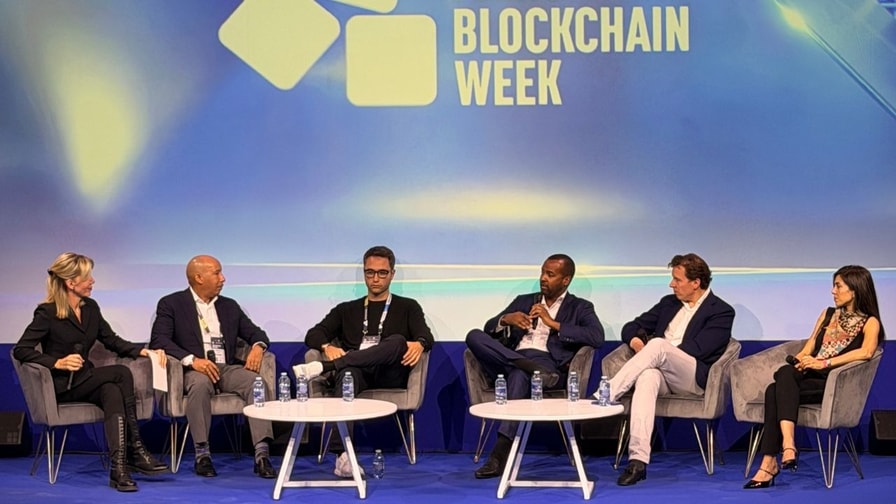
Paris Blockchain Week panel on RWA liquidity. Source: Cointelegraph
At the same time, DeFi lending has expanded alongside growing institutional interest and the gradual adoption of RWAs as collateral. According to Binance Research, the sector grew 72% year-over-year through September, driven in part by institutional use of stablecoins and tokenized assets.
Related: Stablecoin transfer volume drops 19% even as supply keeps rising: RWA.xyz