Share
Share
Share
Share
Email
Over the past decade, technological innovation has dramatically transformed the aesthetics and wellness industry. Treatments that previously required invasive procedures can now be performed using sophisticated, non-surgical devices. These machines deliver precise results with minimal discomfort, shorter recovery times, and enhanced safety profiles. Clinics are expected to adopt these advanced tools not only to stay competitive but also to meet the rising expectations of increasingly informed clients. In this environment, the quality and reliability of professional beauty devices have become critical factors in maintaining clinical credibility and client trust.
Modern clients often research treatment options before visiting a clinic, seeking detailed information about the devices used for skin rejuvenation, tightening, or resurfacing. They value clinics that invest in cutting-edge technology and demonstrate clear commitment to safety and efficacy. Beyond the technical capabilities of these machines, clients perceive equipment quality as a reflection of the clinic’s overall standards. Outdated or poorly maintained devices can undermine confidence, even if the practitioner is highly skilled, highlighting how equipment choice directly impacts brand reputation and client satisfaction.
Professional beauty devices also influence operational efficiency. High-performance machines allow clinics to streamline workflows, expand service offerings, and accommodate more appointments without compromising treatment quality. Automated or multi-functional devices reduce manual strain on practitioners, enabling consistent results across sessions. Conversely, equipment that is unreliable, difficult to operate, or requires frequent maintenance can disrupt schedules, limit revenue potential, and increase operational stress.
This guide provides a comprehensive overview of professional beauty devices, focusing on their features, benefits, and essential considerations for clinics in 2026. It covers the evolution of technology in aesthetic medicine, highlights key performance factors, and examines how clinics can evaluate return on investment. By understanding the interplay between device functionality, safety, and client perception, practitioners can make informed purchasing decisions that support sustainable business growth, improve treatment outcomes, and reinforce a reputation for excellence. This article serves as a practical roadmap for professionals seeking to integrate modern devices effectively into their practice.
The Evolution of Aesthetic Technology
Aesthetic technology has undergone remarkable transformation over the past twenty years. Early cosmetic procedures often depended on manual techniques or rudimentary mechanical devices. While skilled practitioners could achieve satisfactory outcomes, these methods typically required longer recovery periods and produced results that varied from client to client. The introduction of energy-based systems marked a turning point, offering greater precision, controlled application, and improved safety. These technological leaps allowed clinics to enhance treatment effectiveness while reducing patient discomfort.
Laser technology, radiofrequency devices, and focused ultrasound systems gradually replaced many invasive approaches. These innovations enabled clinicians to target specific layers of skin with consistent energy delivery, improving predictability and reducing side effects. As research into skin physiology advanced, manufacturers refined devices to maximise safety and efficiency, incorporating features such as calibrated energy pulses and integrated cooling mechanisms. The result was a new standard in non-surgical treatments that appealed to clients seeking reliable outcomes with minimal downtime.
In recent years, integration and multifunctionality have emerged as key trends in professional devices. Many modern platforms combine multiple modalities into a single unit, allowing practitioners to tailor treatments to individual needs. Digital interfaces provide real-time feedback, automated calibration, and adjustable settings that reduce human error while streamlining workflows. This combination of precision, flexibility, and efficiency supports consistent results across diverse client profiles and treatment types.
Technological evolution has been shaped not only by engineering innovation but also by rising client expectations. Today’s patients demand effective, efficient procedures that deliver visible results without prolonged recovery. Clinics that stay current with emerging devices can respond to these expectations while maintaining compliance with evolving safety standards. Understanding the historical and ongoing progression of aesthetic technology helps practitioners distinguish genuine, clinically beneficial innovations from transient market trends. This perspective enables informed purchasing decisions and supports the delivery of safe, high-quality treatments that enhance client trust and satisfaction.
Popular Device Categories in 2026
The aesthetic device market in 2026 is defined by increasing diversity and specialisation. Clinics now have access to a wide range of tools designed to target specific concerns such as skin rejuvenation, pigmentation correction, body contouring, and hair removal. Understanding these categories enables practitioners to align technology investments with client demand, treatment goals, and operational strategy. A comprehensive knowledge of available device types allows clinics to offer versatile services while maintaining efficiency and safety.
Laser systems continue to be among the most recognised technologies in modern clinics. These platforms are widely used for hair reduction, vascular lesion treatments, skin resurfacing, and pigmentation correction. Advances in wavelength customisation, cooling systems, and integrated software have enhanced both precision and patient comfort. Many clinics invest in multi-purpose laser units that can address multiple indications without occupying excessive floor space, making them both practical and cost-effective.
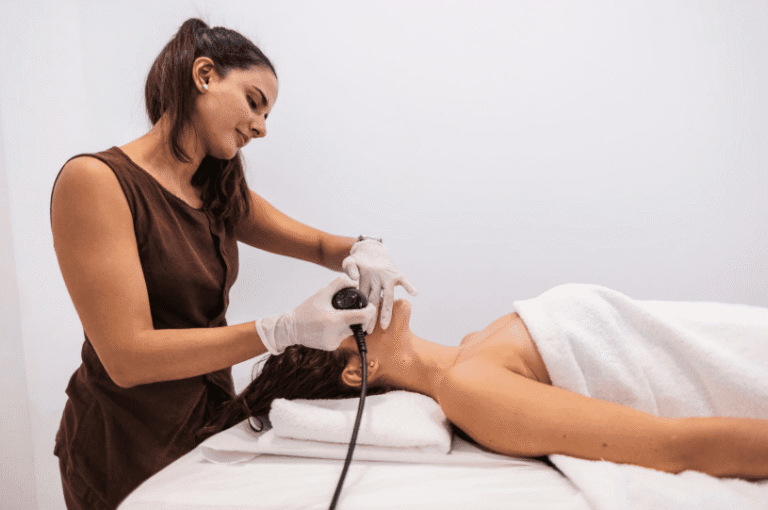
Radiofrequency and ultrasound-based devices have grown in popularity for non-invasive skin tightening, collagen induction, and tissue rejuvenation. These systems deliver controlled energy to deeper skin layers, stimulating natural repair processes. Clients value the minimal downtime, gradual visible improvements, and predictable results offered by these technologies. When integrated into a clinic’s service menu, these devices support long-term client satisfaction and encourage repeat visits.
Hydration and resurfacing platforms, including microdermabrasion, infusion, and suction-based systems, remain in high demand. They provide multi-step facial treatments in a single session, often combining exfoliation, hydration, and targeted light therapies. LED and other light-based modalities complement these procedures by promoting healing, reducing inflammation, and supporting skin recovery. By investing strategically across these core categories, clinics can design comprehensive treatment offerings that meet diverse aesthetic goals while maintaining workflow efficiency.
Key Features to Look for Before Purchase
Investing in professional aesthetic equipment requires careful planning and insight. Clinics must go beyond brand reputation or marketing appeal to evaluate whether a device truly supports their service offerings. Technical specifications, safety mechanisms, and operational compatibility are essential considerations. Making informed choices at the outset minimises financial risk and avoids disruption to daily operations. A strategic approach ensures that equipment enhances both treatment quality and clinic efficiency.
Key Features to Consider
- Adjustable Energy Settings: Customisable intensity levels allow practitioners to treat different skin types and individual client needs safely. Built-in safety sensors and automatic shut-off mechanisms reduce the risk of accidents during procedures. Precision control not only improves treatment outcomes but also fosters client confidence in the clinic’s professionalism.
- User-Friendly Interface: Digital displays, clear control panels, and intuitive presets streamline workflow for staff. Devices that are easy to operate minimise training time and reduce errors during appointments. Overly complex systems, by contrast, can slow treatment delivery and increase stress for both clients and staff.
- Maintenance and Technical Support: Reliable access to replacement parts and responsive technical assistance ensures that equipment remains functional over time. Comprehensive service agreements and warranties protect against mechanical failure and unexpected downtime. Well-maintained devices contribute to consistent results and extend the overall lifespan of the investment.
- Compatibility and Versatility: Equipment should integrate seamlessly with existing treatment offerings and clinic infrastructure. Multi-functional devices or those that can be upgraded accommodate evolving client needs. Compatibility ensures operational continuity and maximises the return on investment.
- Manufacturer Reputation and Safety Compliance: Choosing devices from established, reputable manufacturers guarantees adherence to regulatory standards. Verified quality and certifications reduce the likelihood of safety issues or treatment complications. Partnering with trusted suppliers also provides long-term assurance for performance and support.
Evaluating aesthetic equipment carefully before purchase is essential for safe and effective service delivery. Adjustable settings, user-friendly interfaces, and proper maintenance safeguard both client experience and clinic efficiency. Compatibility and regulatory compliance ensure that the investment remains relevant and reliable. Prioritising trusted manufacturers and technical support minimises operational risk. By systematically considering these factors, clinics can confidently select devices that support long-term growth, safety, and professional credibility.
Clinical Safety and Training Requirements
Clinical safety remains the cornerstone of every reputable aesthetic practice. As devices grow increasingly sophisticated, the responsibility for their correct operation rises in parallel. Advanced energy-based systems, lasers, and multi-functional platforms can deliver exceptional results, but only when used according to established protocols. Clinics must prioritise comprehensive staff training, structured operational procedures, and risk mitigation strategies to ensure that equipment functions as intended without compromising client wellbeing. Safety is not optional; it underpins both professional credibility and long-term business success.
Licensing and regulatory compliance form the first layer of protection. Many advanced aesthetic devices require certified practitioners or additional accreditation depending on local legislation. Maintaining clear documentation of staff qualifications demonstrates accountability to clients, insurers, and regulatory authorities. Clinics that proactively manage certification timelines and maintain records of ongoing compliance reduce legal exposure and signal professionalism. Adhering to regional and national safety standards also protects the business from financial penalties and reputational damage.
Practical, hands-on training is equally critical. Beyond manufacturer manuals, workshops, supervised sessions, and demonstration opportunities build operator confidence and competence. Practitioners learn to assess skin types, recognise contraindications, and calibrate device settings accurately. Regular refresher training ensures that staff knowledge remains current as safety guidelines and device features evolve. Continuous professional development empowers teams to deliver treatments effectively while minimising risk to clients and the clinic alike.
Embedded treatment protocols further strengthen clinical safety. Pre-treatment consultations, careful patch testing where appropriate, and documented aftercare instructions ensure consistency across every appointment. Establishing step-by-step procedures for equipment use, cleaning, and maintenance reduces errors and promotes client trust. By integrating training and safety practices into daily operations, clinics transform advanced devices into reliable assets. This disciplined approach supports predictable outcomes, reinforces professional credibility, and cultivates a reputation for excellence in a competitive aesthetic market.
ROI and Revenue Potential
Investing in advanced aesthetic equipment requires careful consideration of both short-term costs and long-term benefits. While high quality devices often involve significant upfront expenditure, they can serve as revenue-generating assets when integrated strategically into clinic operations. Equipment that expands treatment options or enhances procedural efficiency directly contributes to financial performance. For clinic owners, understanding how device capabilities translate into client retention, package bookings, and operational efficiency is critical for making informed purchasing decisions. Evaluating ROI ensures that capital investment aligns with both clinical and business objectives.
High-demand treatments frequently command premium pricing. Procedures such as skin tightening, non-invasive body contouring, laser resurfacing, and pigmentation correction attract clients willing to pay for visible, lasting results. When equipment delivers predictable outcomes, patients are more likely to schedule follow-up sessions or purchase multi-treatment packages. This repeat business establishes a reliable revenue stream, reinforcing financial stability while supporting the clinic’s reputation for consistent quality. Premium procedures also create opportunities to diversify service menus and appeal to different client segments.
Efficiency plays a major role in profitability. Devices designed with intuitive controls, automated safety features, and multi-functional capabilities can reduce session duration without compromising results. Shorter treatment times allow clinics to accommodate more appointments daily, improving capacity utilization. Streamlined workflows reduce staff fatigue and minimise scheduling conflicts, further enhancing operational efficiency. In this way, technological investment not only affects client satisfaction but also directly influences the bottom line through improved throughput.
Marketing value is another often-overlooked component of ROI. Showcasing advanced devices in promotional materials, social media content, or in-clinic demonstrations signals professional expertise and distinguishes a clinic from competitors. Clients associate modern equipment with higher standards of care, which can justify premium pricing. By combining careful financial planning, realistic projections for utilisation, and clear treatment strategies, clinics can calculate a device’s long-term return with confidence. Understanding ROI helps ensure that equipment investments are not merely operational tools, but strategic drivers of revenue growth and brand positioning.
Maintenance and Warranty Considerations
Advanced aesthetic equipment is a significant investment for any clinic. Consistent maintenance is essential to preserve functionality, reliability, and long-term performance. Neglecting routine servicing can cause unexpected downtime, disrupting schedules and undermining client confidence. Preventative care protects both the devices and the quality of treatments delivered. Embedding maintenance into daily operations safeguards client safety while enhancing operational efficiency and professional reputation.
Key Maintenance Features
- Scheduled Servicing and Preventative Care: Manufacturers provide detailed guidelines for service intervals tailored to device type and usage. Following these schedules reduces wear and prolongs equipment lifespan. Daily cleaning protocols for handpieces, contact surfaces, and accessories prevent minor issues from becoming costly repairs.
- Routine Inspections: Regular checks allow staff to detect early signs of malfunction or worn components. Identifying issues early prevents treatment disruptions and ensures consistent client experiences. Incorporating inspections into operational routines keeps devices safe and reliable over time.
- Comprehensive Warranty Coverage: Warranties protect against manufacturing defects, mechanical failures, and sometimes accidental damage. Clinics should review coverage for parts replacement, labour, and guaranteed response times. Robust warranty policies provide security, enhancing confidence in the device and supplier.
- Accessible Technical Support: Trained, responsive technicians address maintenance or repair issues promptly. Quick resolution reduces downtime and protects client satisfaction. Establishing strong supplier relationships ensures reliable long-term support.
- Integration into Daily Operations: Embedding maintenance tasks into daily workflows keeps devices in peak condition without disrupting treatments. Coordinating cleaning, inspections, and servicing fosters operational continuity. Regular upkeep guarantees reliable, predictable outcomes for every client.
Proper maintenance and warranty management are crucial for sustaining device performance. Routine servicing, inspections, and adherence to manufacturer guidelines reduce breakdown risk. Comprehensive warranties and responsive technical support add an extra layer of protection. Integrating maintenance into daily operations ensures consistent treatment quality and client confidence. A structured maintenance strategy transforms high-tech equipment into dependable, long-lasting assets that support efficiency, growth, and professional credibility.
Integrating Devices into Treatment Protocols
Introducing new equipment requires more than installation and staff training. Devices must be thoughtfully integrated into existing treatment protocols to ensure consistent and safe application. Structured planning prevents overlap, confusion, and inconsistent outcomes. Clear integration strategies support seamless service delivery.
Treatment sequencing is an important first step. Some devices complement one another when used in combination, while others should be scheduled separately to avoid overstimulation of the skin. Establishing clear guidelines for layering treatments ensures predictable results. Written protocols help maintain uniform standards across all practitioners.
Client consultation processes should also evolve alongside new technology. Detailed assessments allow practitioners to determine suitability and customise treatment plans. Explaining how each device works builds confidence and encourages informed consent. Transparent communication strengthens trust and supports realistic expectations.
Operational efficiency depends on workflow alignment. Appointment scheduling must account for preparation time, treatment duration, and post procedure care. Proper integration reduces delays and improves client satisfaction. When devices are incorporated strategically rather than impulsively, they enhance the clinic’s service offering while maintaining clarity and control.
Client Experience and Comfort
Client experience remains a central driver of long term success in aesthetic clinics. While treatment efficacy is non negotiable, the way clients feel during and after procedures often determines whether they return. Modern aesthetic equipment has increasingly focused on balancing performance with comfort, recognising that a positive sensory experience can enhance satisfaction and loyalty. Clinics that prioritise client comfort differentiate themselves in competitive markets, projecting professionalism while cultivating trust. Every interaction, from consultation to aftercare, contributes to the overall perception of quality and care.
Advanced devices now incorporate a variety of features aimed specifically at improving client comfort. Cooling mechanisms, adjustable energy settings, and ergonomically designed applicators reduce discomfort during treatment sessions. These innovations not only enhance the immediate experience but also increase the likelihood that clients will adhere to complete treatment plans. When procedures are tolerable and predictable, clients feel confident returning for follow-up sessions, reinforcing both retention and long term treatment outcomes. Comfort therefore plays a direct role in clinical compliance and satisfaction.
The environment in which treatments take place further shapes perception. Equipment that operates quietly, moves smoothly, and integrates seamlessly into the treatment space creates a calm, professional atmosphere. Conversely, excessive operational noise, prolonged session times, or overly complex controls can elevate anxiety and detract from the experience. Streamlined workflows supported by thoughtfully designed technology help clients feel relaxed and reassured. When every element of the treatment room communicates efficiency and care, the overall impression of the clinic strengthens, reinforcing the brand’s credibility.
Post treatment comfort is equally important. Modern devices aim to minimise side effects such as redness, swelling, or irritation, enabling clients to resume daily activities quickly. Reduced downtime aligns with the fast paced lifestyles of many patients and enhances perceived value. Clinics that select equipment with a focus on both results and comfort demonstrate attention to client needs beyond the procedure itself. By integrating ergonomic design, advanced technology, and thoughtful workflows, aesthetic practices enhance client experience, build loyalty, encourage referrals, and establish a reputation for professional, approachable care.
Staying Competitive in a Rapidly Evolving Market
The aesthetics industry evolves quickly, driven by technological innovation and shifting consumer expectations. Clinics that fail to adapt risk appearing outdated, even if their foundational skills remain strong. Strategic investment in advanced equipment signals commitment to continuous improvement and professional growth.
Clients are increasingly informed and research treatment options before booking appointments. They often compare devices, technologies, and clinic offerings online. Practices equipped with modern systems can communicate their capabilities more effectively. Transparent discussions about technology enhance credibility.
However, staying competitive does not mean chasing every new trend. Careful evaluation of market demand and long term viability is essential. Not every emerging device will deliver sustainable value. Clinics benefit from analysing client demographics, treatment popularity, and realistic revenue projections before committing to purchases.
Balanced innovation ensures stability. When clinics adopt proven technologies supported by strong clinical evidence, they position themselves as forward thinking yet responsible providers. Consistency in service quality, combined with selective technological upgrades, allows practices to remain relevant without compromising financial or operational integrity.
Ethical Marketing and Transparent Communication
Advanced equipment can create excitement, but ethical marketing remains essential. Clinics must avoid exaggerated claims or unrealistic promises. Responsible communication builds trust and protects professional reputation. Transparency strengthens client relationships and supports long term credibility.
Clear explanations of expected outcomes, potential risks, and required sessions prevent misunderstandings. Marketing materials should reflect evidence based results rather than idealised images. When clients understand what treatments can realistically achieve, satisfaction improves. Honest representation reduces the risk of disappointment.
Informed consent is a cornerstone of ethical practice. Clients should receive detailed information about procedures, alternatives, and aftercare. Documentation confirms understanding and agreement. This structured approach safeguards both practitioner and client.
Ethical marketing also extends to pricing transparency. Clearly stated fees and package options eliminate confusion. When clinics combine advanced technology with honest communication, they cultivate lasting trust and encourage positive word of mouth recommendations. Integrity ultimately proves more sustainable than short term promotional tactics.
Conclusion: Strategic Investment in Advanced Aesthetic Equipment
Investing in advanced aesthetic equipment represents a pivotal step for any clinic seeking to enhance service offerings and elevate operational standards. The decision goes beyond simply acquiring the latest technology; it signifies a commitment to growth, safety, and superior client care. When clinics adopt devices thoughtfully, they can achieve higher treatment precision, improved workflow efficiency, and more consistent patient outcomes. This strategic approach ensures that equipment functions as a reliable extension of professional expertise rather than a superficial upgrade.
Clinical safety remains at the heart of responsible implementation. Structured training programs, certification adherence, and well defined treatment protocols create a foundation for safe operation. Staff who are confident in using devices effectively reduce the risk of adverse events and support predictable outcomes. Integrating these practices into daily routines allows clinics to maintain compliance with regulatory standards while reinforcing patient trust. Safety and professionalism, therefore, are inseparable from technological adoption.
Financial planning is another critical component of a successful investment strategy. Clinics must consider maintenance schedules, warranty terms, and realistic return on investment projections. Budgeting for servicing and potential replacement parts protects against unexpected costs and reduces downtime. When financial and operational planning align, equipment transitions from being a high cost liability into a long term asset that supports growth and profitability. Thoughtful expenditure allows clinics to scale services without compromising quality or efficiency.
Client experience ultimately determines the real value of technological investment. Devices that combine effective results with comfort, minimal downtime, and ergonomic design enhance satisfaction and encourage repeat visits. Transparent communication about treatment processes further strengthens credibility. Advanced aesthetic equipment, therefore, is most impactful when paired with disciplined management, patient centred care, and ongoing professional development. Clinics that balance innovation with responsibility position themselves for enduring success in an evolving industry, achieving both operational excellence and elevated client trust.