Share
Share
Share
Share
Email
Understanding Data Sovereignty in a Globalized World
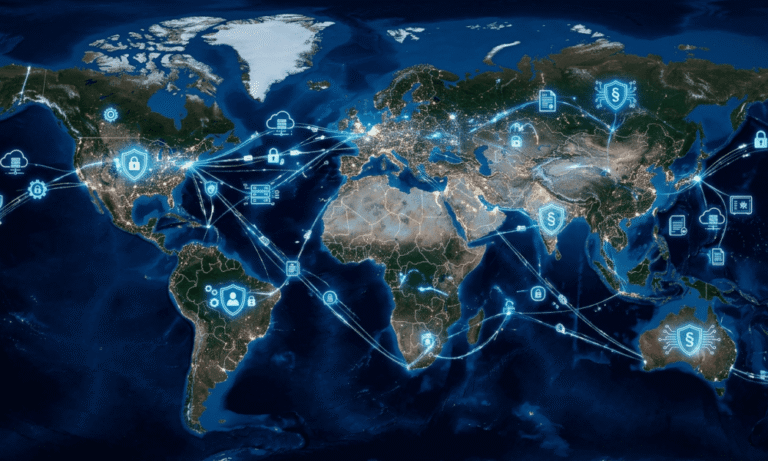
As businesses expand across borders, the challenge of managing data in compliance with a myriad of privacy laws has become increasingly complex. Data sovereignty-the concept that digital information is subject to the laws of the country where it is stored-has emerged as a critical consideration for companies operating internationally. While ensuring compliance is non-negotiable, organizations must also find ways to maintain agility and avoid operational slowdowns.
The stakes are high: a recent survey found that 60% of enterprises experienced increased compliance costs related to data sovereignty in the past two years, with 45% citing project delays due to regulatory requirements. This dynamic landscape demands a strategic approach that balances legal adherence with business efficiency.
The growing complexity is compounded by the rapid digital transformation accelerated by the COVID-19 pandemic. Remote work, cloud adoption, and the proliferation of IoT devices have dramatically increased the volume and diversity of data generated and stored worldwide. According to IDC, global data creation will reach 181 zettabytes by 2025, nearly tripling the 64.2 zettabytes recorded in 2020. This explosion underscores the urgency for companies to implement effective data sovereignty strategies that do not hinder innovation or speed.
Navigating this complex environment requires more than just compliance checklists; it demands a holistic understanding of the interplay between legal frameworks, technology, and business processes. Organizations must anticipate how shifting regulations impact their data flows and proactively adapt to maintain a competitive edge.
The Growing Patchwork of Privacy Laws
Countries around the world have enacted diverse regulations governing data storage, access, and transfer. The European Union’s General Data Protection Regulation (GDPR) is perhaps the most well-known, setting stringent standards for processing personal data. However, many other regions have followed suit with their own frameworks, including the California Consumer Privacy Act (CCPA) in the U.S., Brazil’s LGPD, and India’s Personal Data Protection Bill.
These regulations often require that data about citizens be stored within national borders or handled according to local standards, creating a patchwork of rules that companies must navigate. For example, cross-border data transfers may require additional safeguards such as Standard Contractual Clauses or Binding Corporate Rules, adding layers of complexity.
This fragmentation has led to a significant operational burden. A report by McKinsey indicates that 70% of multinational companies find compliance with data sovereignty laws to be a primary barrier to digital transformation initiatives. The need to comply with varying rules in different jurisdictions can lead to duplicated efforts and increased costs.
Given these challenges, many organizations turn to specialized providers for guidance and support. Businesses looking to streamline their IT operations while ensuring regulatory compliance can hire ACC Technical Services to implement robust solutions tailored to these demands.
Balancing Compliance and Business Agility
Strict data sovereignty requirements can potentially slow down data-driven initiatives, as organizations face hurdles in accessing or transferring data across jurisdictions. However, a strategic approach can mitigate these risks. Companies need to design data architectures that localize storage where required but also enable secure, compliant access globally.
One effective strategy involves leveraging hybrid cloud solutions that combine on-premises infrastructure with cloud services optimized for regional compliance. This approach allows for flexible data processing while respecting sovereignty mandates. Additionally, automating compliance monitoring through advanced analytics and AI can reduce manual oversight and accelerate decision-making.
For instance, AI-driven tools can scan data repositories for compliance risks in real-time, flagging potential violations before they escalate. Gartner predicts that by 2025, 80% of large enterprises will use AI-based compliance tools to manage data sovereignty challenges.
Organizations eager to understand how to optimize their infrastructure and learn more about best practices for integrating compliance into their IT frameworks.
Beyond technology, fostering a culture that prioritizes compliance without sacrificing innovation is essential. This involves cross-functional collaboration between legal, IT, and business units to ensure that data sovereignty considerations are embedded in decision-making processes from the outset. Companies that succeed in this balancing act can accelerate project timelines, reduce risks, and maintain customer trust.
The Role of Technology in Navigating Data Sovereignty
Advances in encryption, tokenization, and secure multi-party computation have made it possible to protect sensitive data without compromising usability. These technologies enable companies to process data locally but share insights globally in a privacy-preserving manner.
Moreover, blockchain and distributed ledger technologies are being explored to create immutable audit trails that satisfy regulatory scrutiny. By embedding compliance into technological solutions, businesses can reduce friction associated with cross-border data flows.
A recent market analysis projects that the global data sovereignty solutions market will grow at a compound annual growth rate (CAGR) of 28% through 2027, underscoring the increasing investment in this area. This trend highlights the importance of proactive technology adoption.
In addition, edge computing is gaining traction as a means to comply with data localization laws while maintaining low latency and high performance. By processing data near its source, organizations can meet sovereignty requirements without sacrificing speed. IDC forecasts that by 2024, over 50% of enterprise-generated data will be created and processed outside traditional data centers or cloud environments.
Integrating these technologies requires careful planning and skilled execution. Organizations must evaluate vendors, assess interoperability, and ensure that security controls align with regulatory mandates. When done well, technology becomes an enabler rather than a barrier to compliance.
Best Practices for Managing Data Sovereignty Risks
- Map Data Flows: Understand where data originates, how it moves, and where it is stored. This visibility is foundational for compliance.
- Engage Local Expertise: Work with regional legal and technical experts to interpret requirements accurately.
- Implement Data Classification: Categorize data based on sensitivity and regulatory impact to tailor handling procedures.
- Adopt Zero Trust Security Models: Ensure that every access request is verified, reducing the risk of unauthorized data exposure.
- Leverage Automation and AI: Utilize automated tools to continuously monitor compliance and detect anomalies.
- Regularly Audit and Update Policies: Compliance is an ongoing process; periodic reviews help adapt to evolving laws.
- Invest in Employee Training: Educate staff about data sovereignty requirements to foster a culture of compliance.
By incorporating these practices, companies can reduce compliance risks while maintaining operational efficiency. Partnering with experienced providers can accelerate this process and provide peace of mind.
Looking Ahead: Preparing for an Evolving Regulatory Landscape
The future of data sovereignty is likely to be shaped by increasing regulatory scrutiny and technological innovation. Governments are continuously updating privacy laws to address new threats and emerging technologies, such as artificial intelligence and quantum computing. Staying ahead requires vigilance and adaptability.
Organizations should establish frameworks for ongoing regulatory intelligence gathering, enabling them to anticipate changes and adjust policies proactively. In parallel, investing in scalable and flexible technology infrastructures will allow businesses to respond swiftly to new requirements.
Furthermore, fostering transparency with customers and partners about data handling practices can build trust and differentiate brands. As privacy concerns grow globally, companies that demonstrate accountability and respect for data sovereignty are better positioned to succeed.
Conclusion: Embracing Compliance as a Competitive Advantage
Data sovereignty is no longer just a legal obligation-it’s a strategic imperative that can differentiate businesses in a crowded marketplace. Organizations that embrace the complexities of global privacy laws and integrate compliance seamlessly into their operations position themselves for sustainable growth.
The key lies in balancing rigorous adherence to data sovereignty with technologies and strategies that preserve agility. Whether through specialized IT services or tailored compliance frameworks, companies can navigate this complex web without slowing down.
As data regulations continue to evolve, staying informed and proactive will be critical. Businesses that do so will not only avoid costly penalties but also build trust with customers and partners worldwide.
By adopting a forward-thinking approach, companies can transform data sovereignty challenges into opportunities for innovation and leadership in the digital age. The future belongs to those who can turn compliance from a constraint into a catalyst for growth and competitive advantage.