Home Blog Page 454

Emmet Connor: Marxist ideology is reshaping global events, globalism is a rebranded form of communism, and political labeling is a deflection strategy

0

Key Takeaways

  • Marxist ideology is significantly influencing global events today.
  • Globalism can be interpreted as a modern form of communism.
  • Political opponents are often labeled as extremists as a deflection strategy.
  • Marxism is defined by state control over production and distribution.
  • The transition from capitalism to socialism is a core Marxist goal.
  • A stateless society is paradoxical as it requires state enforcement.
  • Revolutions are often triggered by perceived societal unfairness and wealth gaps.
  • Well-intentioned individuals can inadvertently support harmful movements.
  • The left’s influence over education promotes revolutionary ideas to youth.
  • The current financial system can export inflation to developing nations.
  • Marxism, socialism, and communism each play distinct roles in societal change.
  • The impact of educational narratives on young people’s ideologies is profound.
  • Economic disparity is a common catalyst for social upheaval.

Guest intro

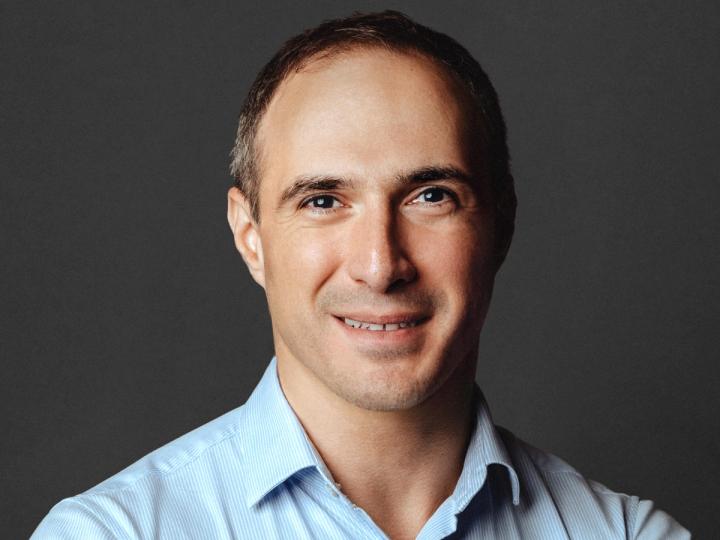
Emmet Connor is the author of Red Pandemic: The Globalist Marxist Cult. He is an online content creator who transitioned from stand-up comedy to analyzing global political movements around 2012. His work examines how Marxist ideology spreads through culture, institutions, mass immigration, climate change activism, and suppression of free speech.

The global influence of Marxist ideology

  • There is a significant global movement influenced by Marxist ideology that is affecting current events.

    — Emmet Connor

  • Understanding the current political climate requires knowledge of various influencing ideologies.
  • When people understand the core elements of this revolutionary movement and so on, it is indeed kind of influencing a lot of things that are happening in the world right now.

    — Emmet Connor

  • Marxist ideas are shaping many societal and political events globally.
  • The guest emphasizes the expert perspective on Marxist impact.
  • Recognizing Marxist influence is crucial for analyzing global events.
  • The movement is seen as revolutionary, affecting multiple sectors.
  • Marxist ideology is intertwined with contemporary political discourse.

Globalism as a rebranded form of communism

  • Globalism can be viewed as a rebranded form of communism.

    — Emmet Connor

  • The relationship between globalism and Marxist ideology is critically analyzed.
  • People talk about globalism, but that’s really just global communism repackaged.

    — Emmet Connor

  • Understanding globalism’s implications is key in political discussions.
  • The guest provides a unique perspective on globalism’s nature.
  • Globalism is often discussed in the context of economic and political strategies.
  • The rebranding of communism as globalism is a significant insight.
  • This perspective challenges conventional views on globalism.

Political labeling as a deflection strategy

  • The tactic of labeling opponents as extremists is a deflection strategy used by those on the left.

    — Emmet Connor

  • Labeling in political debates is a common tactic to shift focus.
  • It’s everything from trans ideology to mass immigration shows us that they are the extremists and are trying to call us names as a deflection tactic.

    — Emmet Connor

  • Understanding political labeling dynamics is crucial in societal debates.
  • The guest provides a strong viewpoint on political labeling.
  • This strategy is used to undermine opponents’ credibility.
  • Political labeling reflects broader ideological conflicts.
  • The tactic is prevalent in contemporary political discourse.

Marxism’s core economic principles

  • Marxism is primarily defined by the state’s control over the means of production and distribution.

    — Emmet Connor

  • Understanding Marxist theory requires knowledge of its economic principles.
  • If you look at the official definitions, it usually focuses on economics: the state controls the means of production distribution on behalf of the people.

    — Emmet Connor

  • The guest clarifies fundamental Marxist economic principles.
  • State control is central to Marxist ideology.
  • Marxism’s economic focus is essential for political analysis.
  • The explanation highlights Marxism’s historical context.
  • Economic principles are key to understanding Marxist influence.

The revolutionary nature of Marxism

  • Marxism serves as a revolutionary ideology that aims to transition society from capitalism to socialism, ultimately striving for a utopian communist state.

    — Emmet Connor

  • Distinctions between Marxism, socialism, and communism are crucial.
  • Marxism is the whole revolution… socialism is the application of Marxist ideas towards the economy… communism is the hypothetical distant future utopia.

    — Emmet Connor

  • The guest explains the transformative goals of Marxism.
  • Understanding these ideologies is key to analyzing societal change.
  • Marxism’s revolutionary nature is central to its ideology.
  • The relationship between these ideologies is complex and intertwined.
  • The insight clarifies Marxism’s role in societal transformation.

The paradox of a stateless society

  • The idea of a stateless society is fundamentally flawed because it requires a state to enforce it.

    — Emmet Connor

  • Anarchist thought is critiqued for its contradictions.
  • A stateless society cannot be achieved because it requires a state to enforce it.

    — Emmet Connor

  • Understanding anarchism requires knowledge of state authority debates.
  • The guest provides a clear perspective on anarchist limitations.
  • The paradox highlights philosophical debates around state power.
  • Stateless society concepts are often debated in political theory.
  • The insight critiques central tenets of anarchist ideology.

Economic disparity and revolutions

  • Revolutions are a response to perceived unfairness and growing wealth gaps in society.

    — Emmet Connor

  • Economic disparity is a common trigger for social upheaval.
  • Whenever there is a perceived unfairness in society, a growing wealth gap between the rich and the poor, you will have revolutions.

    — Emmet Connor

  • The guest connects economic inequality to historical revolutions.
  • Understanding socio-economic triggers is key to analyzing revolutions.
  • Wealth gaps often lead to societal unrest and change.
  • The insight highlights recurring themes in political history.
  • Economic factors are central to understanding revolutionary movements.

The unintended consequences of well-meaning activism

  • The global revolutionary movement attracts individuals with good intentions who inadvertently contribute to harmful outcomes.

    — Emmet Connor

  • Political movements are complex and can lead to unintended harm.
  • This movement has a tendency to soak in people who’ve got good intentions but end up causing problems.

    — Emmet Connor

  • Understanding individual motivations is key to analyzing movements.
  • The guest highlights the complexity of political ideologies.
  • Well-meaning activism can have negative consequences.
  • Political movements often attract individuals with diverse motivations.
  • The insight reflects on the dynamics of ideological movements.

The influence of education on youth ideologies

  • The left’s control over education is dangerous as it promotes revolutionary ideas to young children.

    — Emmet Connor

  • Educational narratives significantly impact young people’s ideologies.
  • Leftists control the education systems, telling kids to be revolutionaries, which can be dangerous.

    — Emmet Connor

  • Understanding educational content’s impact is crucial for societal values.
  • The guest provides a strong viewpoint on educational influence.
  • Revolutionary ideas in education shape youth perspectives.
  • The insight reflects concerns about ideological education.
  • The influence of education on ideologies is profound and lasting.

The impact of global financial systems on developing nations

  • The current financial system exports inflation from Western nations to countries like Africa, leading to oppression.

    — Emmet Connor

  • Global finance dynamics significantly affect developing nations.
  • The financial system exports inflation to places like Africa, causing oppression.

    — Emmet Connor

  • Understanding financial systems’ impact is key to analyzing global inequality.
  • The guest presents a clear assertion about financial system effects.
  • Inflation exportation leads to economic challenges in developing countries.
  • The insight highlights the role of finance in global inequality.
  • Financial systems are central to understanding economic oppression.

Disclosure: This article was edited by Editorial Team. For more information on how we create and review content, see our Editorial Policy.

Polygon Launches Native Liquid Staking Token

0

The token lets stakers keep their POL productive in DeFi while earning a share of the network’s priority fees.

Polygon Labs on Tuesday launched sPOL, the network’s first native liquid staking token (LST), aiming to unlock more than 3.6 billion POL tokens currently locked in validator staking contracts.

sPOL allows stakers to receive a transferable, yield-bearing receipt token upon staking POL, which can then be deployed across DeFi as collateral, liquidity, or a building block for additional yield strategies, all while continuing to earn staking rewards.

Polygon’s liquid staking penetration has lagged far behind Ethereum’s, where over 43% of staked ETH sits in liquid staking derivatives. On Polygon, that figure remains below 5%, a gap the team attributes to a fragmented market where third-party LSTs charge fees ranging from 5% to 16%.

To bootstrap liquidity, Polygon Labs is seeding 10 million sPOL from its treasury at launch, with plans to progressively add 90 million more for a total commitment of 100 million tokens.

Fee Alignment

The launch arrives alongside a broader push to redirect value to POL stakers. In March, Polygon Foundation CEO Sandeep Nailwal backed PIP-85, a governance proposal that would distribute 50% of validator priority fees to delegators for the first time. Priority fees on the network have surged tenfold since the launch of the previous fee framework, PIP-65, with more than 5.4 million POL distributed to validators in February alone.

Under the current system, delegators who lock capital to back validators see little of that windfall. Validators participating in the sPOL program have agreed to return a portion of their priority fees to delegators, creating what Polygon described as a direct link between network activity and staker returns.

Mechanics

Existing stakers can migrate their positions to sPOL via the Polygon staking portal with no waiting period or interruption in rewards. All new POL staking will automatically issue sPOL.

The exchange rate begins at 1:1 and appreciates over time as staking rewards accumulate, meaning a holder’s sPOL balance stays constant, but each token becomes redeemable for a growing amount of POL. Holders can redeem sPOL for the underlying POL plus accumulated rewards at any time.

The launch is part of Polygon’s broader pivot toward payments infrastructure that began earlier this year with the Open Money Stack vision. The network recorded 493 million stablecoin transactions in February, its highest monthly total.

Polygon completed its migration from MATIC to POL in September 2024 as part of its Polygon 2.0 overhaul. Despite strong network usage metrics, the POL token remains down 94% from its post-migration highs.

This article was written with the assistance of AI workflows. All our stories are curated, edited and fact-checked by a human.

How to Choose the Best Hair Shop in Lewisham for Your Hair Type

0

Choosing the right place for your hair care is an important decision that directly affects your overall appearance and confidence. Your hair type determines the kind of treatments, styling methods, and products that will suit you best. This is why selecting the right hair shop in lewisham should always be done with care and consideration.

With numerous salons available, the challenge is not finding one, but finding the right one. A well-chosen salon can maintain the health of your hair while helping you achieve a polished and consistent look.

Understanding Your Hair Type and Its Needs

Before selecting a salon, it is essential to understand your hair type. Each hair type requires a different level of care and expertise.

Common Hair Types

  • Straight hair – Smooth and often prone to appearing flat
  • Wavy hair – Natural movement with slight bends
  • Curly hair – Defined curls with volume
  • Coily hair – Tight curls that require extra moisture

Why Hair Type Matters

Choosing a salon that understands your hair type ensures better results. Here is why it is important:

  • Helps in selecting the right treatments
  • Ensures appropriate cutting techniques
  • Prevents unnecessary damage
  • Supports long-term hair health

A salon that lacks experience with your hair type may not deliver the results you expect.

Choosing a Salon with the Right Expertise and Services

A professional salon should combine skilled stylists with a wide range of services. The staff’s expertise significantly influences the treatment and styling of your hair.

What to Look for in Stylists

  • Proper training and certifications
  • Experience with multiple hair textures
  • Ability to recommend suitable styles
  • Knowledge of modern techniques

Essential Services to Expect

A reliable hair salon lewisham should offer the following:

  • Haircuts tailored to your face shape and hair type
  • Colouring services, including highlights and full colour
  • Conditioning and repair treatments
  • Styling for everyday and special occasions

Product Quality

The products used in a salon can significantly affect your hair health. Look for salons that:

  • Use professional-grade products
  • Choose products suited to your hair type
  • Avoid harsh or damaging chemicals

Hygiene, Environment, and Customer Experience

The condition of a salon says a lot about its standards. Cleanliness and organisation should never be overlooked.

Key Hygiene Indicators

  • Clean and sanitised tools
  • Fresh towels and capes
  • Tidy workstations
  • Proper waste disposal

What Makes a Good Salon Environment

  • Comfortable seating and layout
  • Friendly and attentive staff
  • Calm and organised atmosphere

A clean and welcoming salon not only ensures safety but also improves your overall experience.

Reviews, Reputation, and First Impressions

A salon’s reputation is often a strong indicator of its quality. Taking the time to check reviews can help you make a more informed decision.

Where to Look

  • Online review platforms
  • Social media pages
  • Recommendations from friends or family

What to Pay Attention To

  • Consistent positive feedback
  • Comments on staff behaviour
  • Mentions of cleanliness and service quality

A reputable hair shop in Lewisham will usually have a strong track record of satisfied clients.

Consultation and Clear Communication

A proper consultation is essential before any service begins. It ensures that both you and the stylist are aligned on expectations.

What Happens During a Consultation

  • Discussion about your hair type and condition
  • Understanding your styling preferences
  • Suggestions from the stylist

Questions You Should Ask

  • Which haircut suits my hair type?
  • What treatments would benefit my hair?
  • How can I maintain my hairstyle at home?

Clear communication helps avoid misunderstandings and ensures better results.

Pricing and Value for Money

Price is an important factor, but it should always be considered alongside quality. A reputable salon provides clear pricing and delivers value for what you pay.

How to Evaluate Pricing

Factor What It Means
Transparency Clear explanation of costs
Service quality Consistent and reliable results
Product use High-quality products included
Overall value Balance between cost and experience

Tips for Smart Spending

  • Avoid choosing solely based on low prices
  • Compare services offered at different salons
  • Look for value rather than just cost

Convenience and Accessibility

Convenience is often overlooked but plays a major role in maintaining regular hair care routines.

Important Factors

  • Location near your home or workplace
  • Easy appointment booking
  • Flexible timings

Choosing a conveniently located salon makes it easier to stay consistent with your hair care schedule.

Building a Long-Term Relationship with Your Stylist

Finding the right salon is not just about a single visit; it is about establishing a lasting relationship with a stylist who understands your hair. Consistency in care leads to better results over time.

Benefits of Staying with One Stylist

  • Better understanding of your hair history
  • More personalised recommendations
  • Consistent styling results
  • Improved hair health over time

How to Maintain the Relationship

  • Communicate openly about your preferences
  • Follow the advice given for aftercare
  • Schedule regular appointments
  • Provide feedback when necessary

A dependable hair salon lewisham will value long-term clients and focus on delivering consistent quality.

FAQs

1. How often should I visit a hair salon for maintenance?

The frequency depends on your hair type and style. On average, visiting every 6–8 weeks helps maintain shape and overall hair health.

2. Can one salon handle all hair types effectively?

Not all salons specialise in every hair type. It is important to choose a salon with experience and expertise in handling your specific hair texture.

3. What should I bring or prepare before a salon appointment?

It is helpful to have a clear idea of your desired style. You should also be ready to discuss your hair history, current routine, and any concerns with your stylist.

Conclusion

Choosing the right salon involves more than simply picking the nearest option. It requires an understanding of your hair type, careful evaluation of salon expertise, and attention to factors such as hygiene, pricing, and customer experience.

By focusing on these aspects, you can ensure that your hair receives the care it deserves. A well-selected salon supports both the appearance and long-term health of your hair, making it a worthwhile investment.

For those seeking a refined and reliable approach to hair care, Keira London represents a trusted choice, offering quality service and attention to detail for maintaining healthy, well-styled hair.

Author Bio 

Kishan Patel

Kishan Patel is a dedicated Beauty Industry Specialist with in-depth knowledge of advanced aesthetic treatments, afro hair care, and skin technologies. He focuses on translating complex procedures into clear, engaging content that aligns with current industry standards. His work supports Keira London’s digital presence by highlighting expertise, service quality, and client-focused care through well-structured, search-optimized writing.

Read More From Techbuliion


XRP Targets 2026 Highs After Binance Flows Flash Bull Market Signal

0

XRP (XRP) has consolidated within a tight price range below $1.40 over the past 20 days, but new data suggests it may be poised for a bullish breakout after a shift in Binance activity signals reduced sell-side pressure. 

Binance’s withdrawal and deposit activity is flashing a setup that mirrors June 2025, when the altcoin embarked on a rally to $3.65.

XRP/USDT on the one-day chart. Source: Cointelegraph/TradingView

XRP Binance deposits drop to 2025 lows

Crypto analyst Amr Taha noted a shift in XRP activity on Binance, with transaction flows moving away from deposit-heavy behavior. The seven-day average shows XRP withdrawals rising to 53% while deposits dropped to 46%, returning to the levels last seen in June 2025.

Cryptocurrencies, Adoption, XRP, Markets, Derivatives, Financial Derivatives, Binance, Price Analysis, Futures, Market Analysis, Altcoin Watch
Binance daily deposit/withdrawal transactions. Source: CryptoQuant

That prior setup aligned with a 65% XRP rally to all-time highs of $3.65 in July 2025, placing the current shift on traders’ radar.

The falling deposit activity signals fewer coins moving onto exchanges, while rising withdrawals indicate assets leaving exchanges. This reduces immediate sell-side pressure if sustained over multiple trading sessions.

Currently, XRP flow on Binance is no longer dominated by incoming supply. This indicates a change in trader positioning, with fewer participants preparing to sell into the market.

Meanwhile, liquidity has contracted sharply. CryptoQuant data shows XRP’s 30-day liquidity index on Binance dropping to 0.053, the lowest level since 2021. The 30-day trading volume stands at nearly 3.77 billion XRP, marking one of the weakest periods of activity in recent years.

Cryptocurrencies, Adoption, XRP, Markets, Derivatives, Financial Derivatives, Binance, Price Analysis, Futures, Market Analysis, Altcoin Watch
XRP Binance liquidity index. Source: CryptoQuant

The price action aligns with this slowdown. XRP trades near $1.38 with limited movement over the past three weeks, consistent with a quieter order book and reduced trader participation. These lower-liquidity phases may coalesce momentum and precede a stronger directional move once activity returns.

Related: Bitcoin’s struggle to build long-lasting uptrend continues: Here’s why

XRP traders position in futures markets

While XRP price consolidates, onchain data shows an aggregated spot cumulative volume delta (CVD) of -$153 million and a futures CVD near -$295 million, pointing to a reduction in aggressive selling.

Cryptocurrencies, Adoption, XRP, Markets, Derivatives, Financial Derivatives, Binance, Price Analysis, Futures, Market Analysis, Altcoin Watch
XRP price, aggregated open interest, funding, spot, and futures CVD. Source: velo.chart

The buy-side activity has not expanded, keeping the price movement muted. The funding rates have turned slightly positive at 0.06%, signaling a mild long bias.

Open interest has climbed to nearly $769 million, suggesting fresh positions are entering the market.

Cryptocurrencies, Adoption, XRP, Markets, Derivatives, Financial Derivatives, Binance, Price Analysis, Futures, Market Analysis, Altcoin Watch
XRP/USDT on the one-day chart. Source: Cointelegraph/TradingView

From a technical perspective, a daily close above $1.40 opens the door to $1.60–$1.67. That $1.40 level also aligns with the 50-day moving average, which may flip into support on a bullish breakout.

The liquidation data shows roughly $250–$300 million in cumulative long/short positions at risk within a 10% move in either direction. Compared to larger assets like BTC (BTC) and Ether (ETH), the liquidity is relatively small, suggesting lower trader participation near $1.40.

Related: XRP Ledger taps Boundless for bank-grade privacy on public blockchains