

The U.S. caught a top-ten most-wanted fugitive when they arrested Ryan Wedding, a former top snowboarder who’s said to have used digital assets in his crimes.
Brazil Streamlines Rules for Banking Institutions Entering The Crypto Market
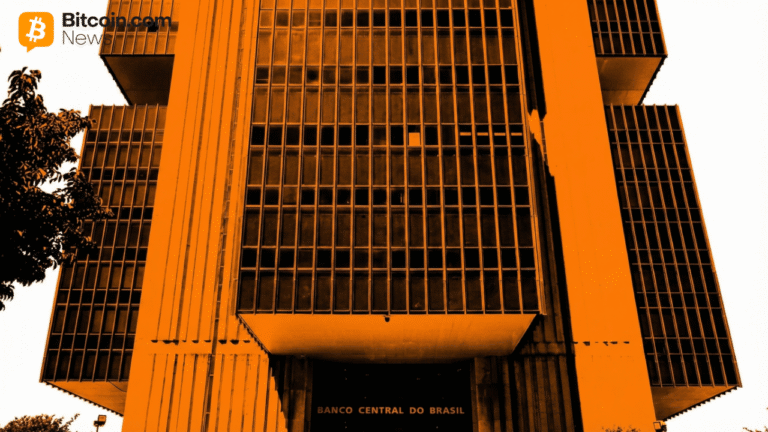
The Central Bank of Brazil issued new rules for banking institutions and brokers operating with crypto assets in the country. IN 701/2026 establishes that these will have to be certified by an independent company to comply with established requirements, including asset segregation. Central Bank of Brazil Pushes New Institutional Rules For Crypto Brokers Brazil is […]
U.S. Senator Warren rebuffed on delay of World Liberty bank charter over Trump ties
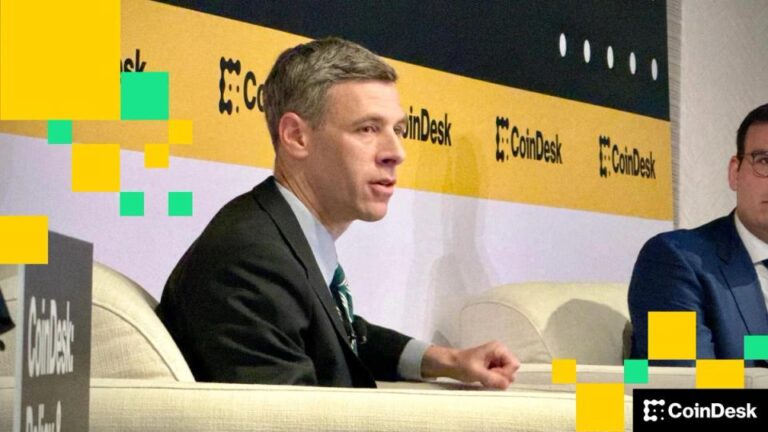
The OCC says the trust-bank application tied to President Donald Trump-connected World Liberty Financial will move ahead without the senator’s requested pause.
US Senate CLARITY Act Stalls Over Stablecoin Yield Restrictions

The US Senate Banking Committee has postponed its markup of the Digital Asset Market Clarity Act following a withdrawal of support from major industry players and intensifying debates over stablecoin interest.
Washington’s efforts to establish a comprehensive crypto regulatory framework have hit a major roadblock as the US Senate Committee on Banking, Housing, and Urban Affairs postpones its markup of the Digital Asset Market Clarity Act. The delay follows a high-profile withdrawal of support from industry leaders, including Brian Armstrong, CEO of Coinbase, who described the current draft as “materially worse than the status quo”.
A primary point of contention is a proposed amendment to the Guiding and Establishing National Innovation for US Stablecoins (GENIUS) Act. This provision would effectively prevent exchanges and other digital asset platforms from paying interest or yield to customers holding stablecoins, even if the platform is not the token’s issuer. Anil Oncu, CEO of Bitpace, explained that while the act correctly focuses on legal certainty, an absolute prohibition on earning interest would put digital money at a structural disadvantage to traditional banking and push users toward less transparent offshore alternatives.
The banking lobby has remained a vocal proponent of these restrictions, citing concerns that yield-bearing stablecoins could trigger a “deposit flight” from community banks. However, Luke Youngblood, founder of Moonwell, noted that the banking lobby’s influence is problematic for the bill’s prospects. He said community banks claim yield-bearing stablecoins would make their savings accounts uncompetitive, which is ironic given they spent decades lobbying for the right to pay interest on deposits themselves. Youngblood also pointed to unrealistic ethics provisions as a threat that could kill the legislation entirely.
While the CLARITY Act faces friction, the industry has welcomed the reintroduction of HR 8378, the Securities Clarity Act, by Representative Tom Emmer, Representative Darren Soto, and Representative Ro Khanna. The Global Digital Finance (GDF) industry body supports this technology-neutral legislation because it provides regulatory certainty by excluding “investment contract assets” from the definition of a security, provided they meet certain conditions. Carl Schonander, Head of Americas Regulatory Affairs at GDF, said the bipartisan initiative shows it is possible to promote the digital assets industry while simultaneously protecting consumers.
The draft bill’s handling of decentralised finance (DeFi) has also drawn criticism. Jerome de Tychey, President of Ethereum France, explained that the bill’s DeFi provisions remain incomplete, lacking a clear legal definition of “decentralisation”. He added that banking lobbyists have secured their position while DeFi-specific questions get pushed to future rulemaking, which risks codifying ambiguity. Vincent Chok, founder and CEO at First Digital, commented that a blanket restriction on rewards fails to account for the growing complexity of finance where assets converge into new use cases, such as settlement assets for agentic payments.
Despite the domestic stalemate, global hubs continue to advance their own digital strategies. Islam Shawky, co-founder and CEO of Paymob, which recently secured a full operating licence in the UAE, noted that government initiatives in the Emirates are aiming to boost the digital economy through highly connected systems. He explained that the UAE is at an inflection point of digitisation, leveraging instant payment platforms like Aani to overcome traditional digital payment delays.
The Senate Banking Committee now faces the challenge of brokering a compromise that satisfies the crypto industry’s need for operational flexibility and the traditional banking sector’s desire to protect its deposit base.
‘Bitcoin Trade Is Over,’ Bloomberg Strategist Says In 2026 Macro Outlook

Bloomberg commodity strategist Mike McGlone explains his bearish turn on Bitcoin outlook and broader market expectations for 2026.
Bloomberg Intelligence strategist Mike McGlone said he has reversed his long-term outlook on Bitcoin and the broader crypto market, arguing that investors should “sell the rallies” across risk assets in 2026.
In McGlone’s view, the conditions that once made Bitcoin (BTC) compelling have changed fundamentally. What began as a scarce, disruptive asset has become part of a crowded and highly speculative ecosystem, increasingly correlated with equities and vulnerable to the same macro forces that drive traditional markets.
He draws parallels with past market peaks, pointing to excessive speculation, the approval of exchange-traded funds (ETFs) and historically low volatility as warning signs. Bitcoin, he argues, has gone from being a hedge against the system to being firmly inside it, and that changes everything.
The conversation goes well beyond crypto. McGlone lays out a stark macro outlook for stocks, commodities and precious metals, noting that gold’s explosive rally may be less a sign of strength than a signal of deeper instability.
In McGlone’s words, when “the stupid rock” starts outperforming everything else, investors should pay attention.
Watch the full interview on Cointelegraph’s official YouTube channel for McGlone’s view on how low Bitcoin could fall, and which signals he is watching instead.
Related: Bitcoin rolls over as gold gets huge $23K price target by 2034
This interview has been edited and condensed for clarity.
DeFi Leaders Push Back as DAO, Governance and Custody Debates Intensify

United States lawmakers postponed a planned markup of the Digital Asset Market Clarity Act (CLARITY), delaying progress on a bill intended to define how cryptocurrencies and decentralized finance (DeFi) platforms are regulated and prompting renewed pushback from DeFi leaders who say the bill still fails to adequately protect developers.
Industry groups and crypto venture firms warned that proposed amendments could impose requirements that are not suitable for decentralized systems. Representatives from Paradigm and Variant said the current draft leaves unresolved ambiguity over whether DeFi developers and infrastructure providers could be forced to implement Know Your Customer (KYC), register with financial regulators or comply with rules designed for centralized platforms.
The delay follows mounting criticism from across the crypto sector, including public opposition from Coinbase CEO Brian Armstrong, which led Senate Banking Committee Chair Tim Scott to announce a “brief pause.”
Continue reading
Vitalik Buterin calls for a new DAO design for onchain disputes and governance
Ethereum co-founder Vitalik Buterin called for a rethink of how decentralized autonomous organizations (DAOs) are designed, arguing that most DAOs have become little more than token-voting treasuries.
Buterin said that this model is inefficient, vulnerable and fails to improve on traditional governance systems. He added that DAOs should be purpose-built to support core infrastructure like oracles, onchain dispute resolution, insurance decisions and long-term project stewardship.
He also outlined how different governance issues require different structures, distinguishing between cases that benefit from decisive leadership and broad compromise.
Buterin warned that low participation, whale dominance and decision fatigue remain major challenges, and said that privacy tools, limited AI assistance and better governance design are crucial to DAOs.
Continue reading
DeFi protocol Pendle revamps governance token, citing low adoption
DeFi protocol Pendle is revamping its governance model by phasing out its vePENDLE token and introducing a new liquid staking and governance token, sPENDLE.
The team said vePENDLE’s long lock-up periods, lack of transferability and complex voting mechanics limited participation, even as the protocol grew to nearly $3.5 billion in total value locked (TVL).

The new token aims to lower the barriers by allowing withdrawals after a 14-day unwinding period, enabling integrations across other DeFi platforms and simplifying governance participation.
Pendle is also streamlining requirements for voting and plans to use up to 80% of protocol revenue for governance rewards and token buybacks.
Continue reading
New SEC submissions press on self-custody and DeFi regulation
Two new submissions to the US Securities and Exchange Commission’s crypto task force are adding pressure on regulators to clarify how self-custody rights and DeFi activity should be treated under upcoming market structure rules.
A filing referencing Louisiana law that protects retail users’ right to self-custody warned that overly broad exemptions in federal proposals can weaken investor protections and increase risks of fraud.
Another submission from the Blockchain Association argued that companies trading tokenized equities or DeFi assets from their own accounts should not automatically be classified as regulated dealers.
The filings come as negotiations continue in Congress, with policymakers and industry figures pushing for a compromise.
Continue reading
Aave refocuses on DeFi, hands Lens stewardship to Mask Network
Lending protocol Aave handed stewardship of Lens Protocol to Mask Network, narrowing its role to technical advisory support as it refocuses on DeFi.
Under the transition, Mask Network will lead consumer-facing development and product execution for Lens-based social applications, while the protocol’s core infrastructure remains permissionless and open-source.

Ethereum co-founder Vitalik Buterin welcomed the move and commented that decentralized social networks built on shared data layers are essential for fostering competition and improving online discourse.
Continue reading
DeFi market overview
According to data from Cointelegraph Markets Pro and TradingView, most of the 100 largest cryptocurrencies by market capitalization ended the week in the red.
The White Whale (WHITEWHALE) token fell by over 57% throughout the week, marking the biggest drop in the last seven days. This was followed by a token called Merlin Chain (MERL), which dropped 48% last week.

Thanks for reading our summary of this week’s most impactful DeFi developments. Join us next Friday for more stories, insights and education regarding this dynamically advancing space.
Cointelegraph is committed to independent, transparent journalism. This news article is produced in accordance with Cointelegraph’s Editorial Policy and aims to provide accurate and timely information. Readers are encouraged to verify information independently. Read our Editorial Policy https://cointelegraph.com/editorial-policy
U.K. FCA moves closer to crypto regulation with final consumer duty consultation

The UK regulator said crypto firms must ensure good outcomes for customers without stifling innovation.
Paradex Refunds $650K After Maintenance Bug Triggers Liquidations
Onchain derivatives platform Paradex refunded $650,000 to about 200 users after a maintenance-related software error triggered unintended liquidations across multiple markets.
According to a Friday post-mortem shared on X by Paradex, the incident occurred during a planned 30-minute database upgrade on Monday, when a “race condition” caused corrupted market data to be written onchain. Paradex said the issue was operational and not the result of a hack or security breach.
In response, Paradex temporarily disabled access to the platform, canceled all open orders except take-profit and stop-loss orders, and rolled back the chain to a snapshot taken before the maintenance window began.
Paradex is an onchain derivatives platform that lets traders take leveraged perpetual positions while keeping control of their funds, rather than depositing assets with a centralized exchange.
The incident marked the first rollback of Paradex Chain, which the exchange described as “an undesired but necessary action to protect users and restore network integrity.”
Paradex said it has implemented changes to prevent a recurrence, including updated service restart procedures, additional data validation checks, a revised scale-up process for full-downtime maintenance windows and price-band protections during post-only trading periods.
Related: 80% of hacked crypto projects never ‘fully recover,’ expert warns
Trading disruptions driven by technical failures
Recent incidents highlight how operational and infrastructure failures, rather than hacks, can disrupt derivatives trading and crypto market access.
In October, decentralized exchange dYdX paused trading for about eight hours after a code-ordering error and delayed oracle restarts led to mispriced trading and liquidations. The exchange put forth a governance vote on compensating affected traders with up to $462,000 from the protocol’s insurance fund.
Technical disruptions have also affected traditional derivatives markets. In November, the Chicago Mercantile Exchange (CME) halted trading for about 10 hours after a cooling failure at a CyrusOne data center in Illinois disrupted operations, triggering complaints from traders.

Internet infrastructure provider Cloudflare reported an “internal service degradation” in November. The issue disrupted access to the front ends of several major cryptocurrency platforms, briefly preventing users from reaching exchanges, wallets and data dashboards.
The outage affected crypto companies such as Coinbase, Blockchain.com, BitMEX, Ledger and DefiLlama.
Magazine: A ‘tsunami’ of wealth is headed for crypto: Nansen’s Alex Svanevik
Cointelegraph is committed to independent, transparent journalism. This news article is produced in accordance with Cointelegraph’s Editorial Policy and aims to provide accurate and timely information. Readers are encouraged to verify information independently. Read our Editorial Policy https://cointelegraph.com/editorial-policy
Kevin O'Leary says power is now more valuable than bitcoin
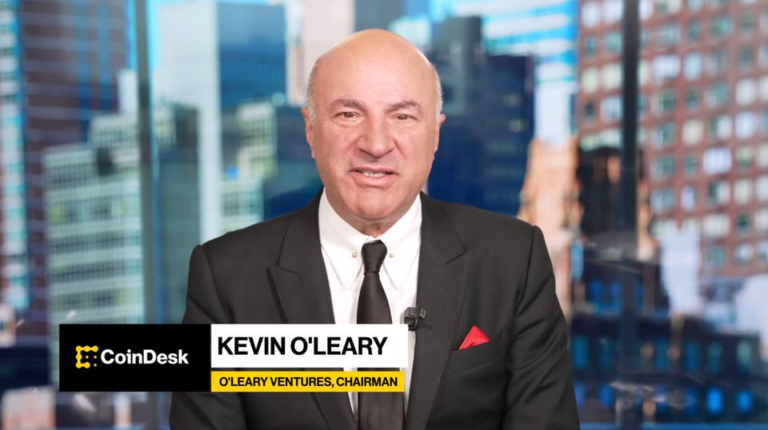
“Shark Tank” investor Kevin O’Leary is pivoting his crypto strategy from tokens to energy infrastructure, declaring that power generation is now the real prize.
Bharat IPTV Brings IPTV USA Closer to Indian Homes Abroad

Service helps Indian families overseas enjoy familiar Indian and local TV together in a simple, daily way.
New York, USA – January 2026
Many Indian families who move abroad still miss the TV they grew up with. They want to hear their own languages in the living room, follow news from India, and watch the same style of serials, movies, and songs their parents still enjoy back home. Local cable or satellite often has very few Indian channels, and switching between many different apps can feel tiring after a long day at work.
As more viewers look for easy IPTV USA options that feel like normal home TV, Bharat IPTV is becoming a trusted choice for people who want Indian and American channels together on one screen, with one simple setup that the whole family can manage.
Bharat IPTV offers a wide mix of content so every family member finds something to watch. Parents can follow Hindi and regional serials, Bollywood and South Indian movies, and music shows.
Students can keep up with Indian and US news, sports highlights, and talk programs. Elders can enjoy devotional channels, cultural shows, and classic films that remind them of life in India. Children get cartoons and learning shows that help them hear and understand Indian languages while growing up in another country.
Setup is kept very simple on purpose. Most users just plug in a TV box or open the Bharat IPTV app on a smart TV, connect to their home Wi‑Fi, and log in. Clear, step‑by‑step instructions appear on the screen, so there is no need for a technician visit or extra wires all over the room. Even people who say they are “not good with technology” can usually start watching in a few minutes with basic guidance.
“Our idea is very simple,” said Gayatri Rathore, Marketing Head at Bharat IPTV. “Families should not have to struggle just to watch TV. They want to sit down, pick their favorite channels, and relax. We focus on making things easy to use, so people can enjoy home‑style TV without feeling like they’re setting up a computer every time.”
Bharat IPTV is also built to handle busy evening hours when most people in the house are online. Many homes share the same internet between office work, online classes, games, and streaming. The platform is designed to keep video running as smoothly as the connection allows, with fewer freezes and less buffering during live cricket matches, movie nights, and festival specials.
With clear IPTV plans that match different family budgets, steady performance, and friendly support, Bharat IPTV is showing how cross‑border TV can feel simple and honest while still bringing a rich choice of Indian channels into homes abroad, helping families stay close to their roots and enjoy relaxed TV time together.
About Bharat IPTV
Bharat IPTV is a streaming service created for Indian families living outside India, especially in the United States. It delivers live TV and on‑demand content across smart TVs, phones, tablets, and IPTV boxes. The company focuses on easy setup, smooth streaming, and a strong mix of Indian and international programs, including news, movies, serials, sports, kids’ shows, and cultural content, so viewers can enjoy everyday TV in one simple place.
Media Contact
Company: Bharat IPTV
Contact Person: Gayatri Rathore
Email: marketing.team@bharatiptv.com
Website: www.bharatiptv.com