


The Kingdom of Bahrain has long taken a different approach and was the first in the region to diversify its economy and used financial services and fintech to do so. How is the economy and fintech ecosystem in 2026?
When I last examined Bahrain’s financial services economy, the Kingdom was already positioning itself as a regulatory pioneer. By 2026, that foundation has evolved into something more deliberate: a fintech ecosystem defined by alignment between regulator, industry and infrastructure.
Bahrain is no longer just an early mover. It is becoming a system builder.
Digital Transformation as Economic Strategy
Fintech in Bahrain is inseparable from its broader economic diversification strategy.
As hydrocarbons have gradually declined in relative importance, financial services and digital industries have become central to the country’s economic model. By last year, non-oil sectors accounted for approximately 85 per cent of gross domestic product (GDP), with financial services contributing around 17 per cent, reinforcing the sector’s importance to national growth.
This transformation is underpinned by a clear policy direction.
Government initiatives, supported by the Bahrain Economic Development Board (EDB), continue to position fintech as a key pillar of economic diversification. This includes the main catalyst of fintech, Bahrain Fintech Bay, being an active player in the Kingdom. Digitalisation is being applied across sectors – from payments and banking to public services – creating a more integrated digital economy.
At the infrastructure level, Bahrain benefits from near-universal mobile penetration and a digitally literate population, enabling rapid adoption of digital financial services.
Fintech, in this context, is not an isolated industry. It is a core component of national economic transformation.
Financial Services Sector: Digital Transformation in Practice
Bahrain’s financial services sector has long been one of the most developed in the Gulf Cooperation Council (GCC) region, and it is now undergoing a significant digital shift.
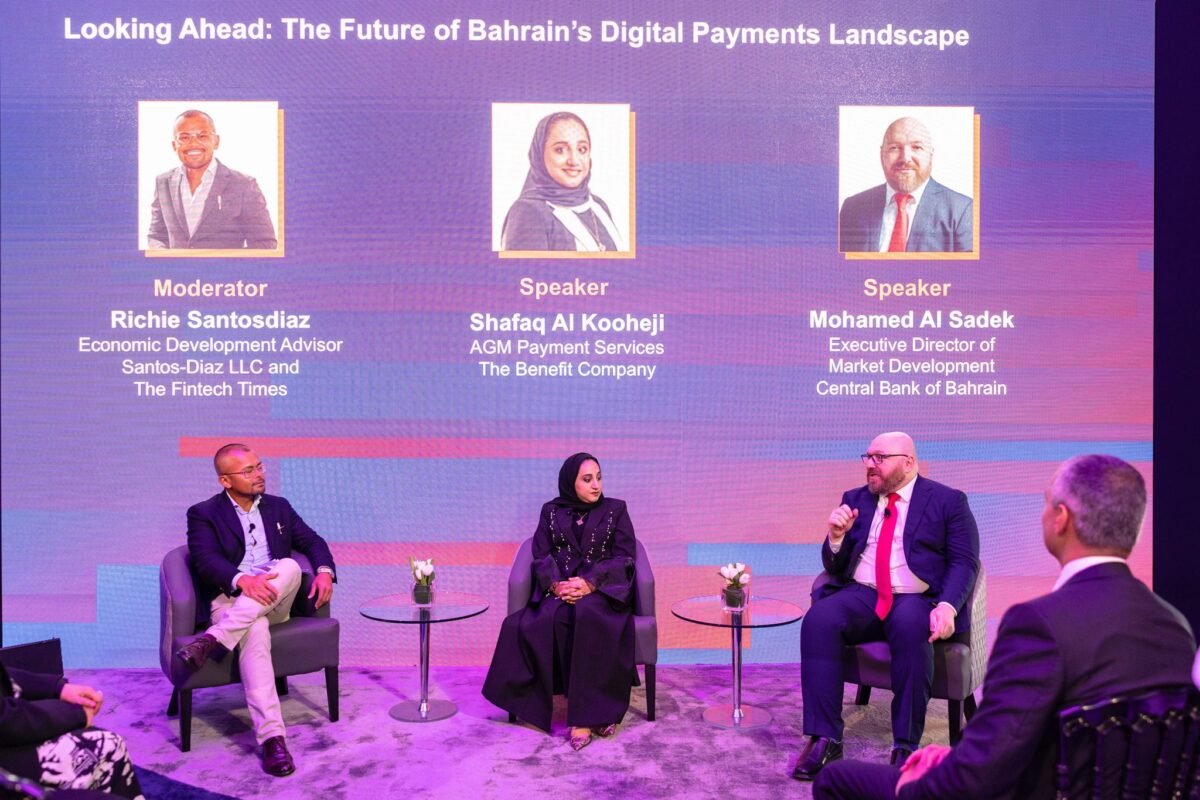
The Central Bank of Bahrain (CBB) plays an active and central role as a unified regulator, overseeing banking, fintech and capital markets under a single framework. Bahrain was among the first in the region to introduce a regulatory sandbox in 2017, and an open banking framework in 2018, and crypto-asset regulations and licensing frameworks.
Last year, which I got to witness in-person, saw the CBB announce the introduction of a framework for licensing and regulating stablecoin issuers.
Banks and fintech companies are increasingly interconnected through API-driven systems, digital onboarding processes and real-time payment infrastructure. Platforms such as Tarabut Gateway have scaled open banking capabilities across the region, while digital asset platforms like CoinMENA operate under regulatory oversight.
Fintech Ecosystem: From Sandbox to Scale
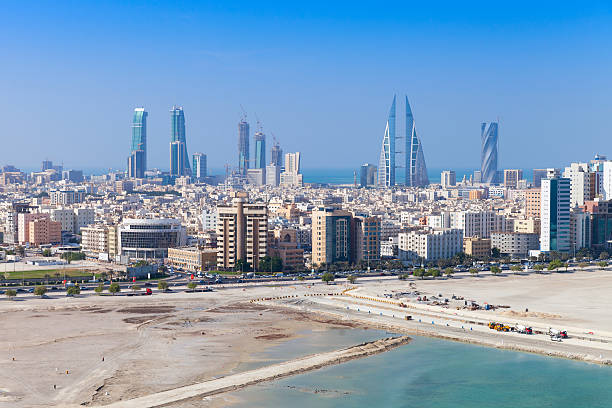
Bahrain’s fintech ecosystem has evolved from experimentation to structure.
Back in 2022 the country’s sandbox hosted around 25 fintech companies, spanning areas such as BNPL, robo-advisory and crypto services.
This year, the ecosystem has expanded significantly. Industry estimates suggest that Bahrain now hosts over 100 fintech companies and digital financial service providers, supported by institutions such as Bahrain FinTech Bay (BFB).
Growth has been driven by various factors such as regulatory clarity, access to regional markets, strong institutional coordination and alignment with Islamic finance frameworks
The fintech market itself is projected to grow from $1.4billion last year to $5billion by 2033, reflecting sustained expansion across payments, digital banking and wealthtech.
Unlike many markets, Bahrain’s fintech ecosystem has not been built on startup volume alone. It has been built on regulatory infrastructure.
Compared with its GCC neighbours, Bahrain does not face severe financial inclusion challenges. Access to banking services is already relatively high, supported by a mature financial system. However, further sub sector penetration (such as in insurance where historically as in the Middle East was lower than other developed economies) and also amongst the lower-skilled expatriate community can see further financial inclusion.
Digital wallets, open banking platforms and alternative lending solutions are expanding access to financial services for small businesses and underserved segments. At the same time, Shariah-compliant fintech solutions are opening new avenues for inclusive finance within Islamic banking frameworks.
Recent developments highlight Bahrain’s continued fintech momentum.
The launch and expansion of FinHub973, the Central Bank’s cross-border digital innovation platform, has strengthened collaboration between financial institutions and fintech firms, enabling testing, prototyping and scaling of solutions.
At the same time, partnerships between fintech firms and global players are increasing. Last year, crypto platform CoinMENA partnered with United Arab Emirates (UAE)-based digital bank Zand to facilitate cross-border digital asset transactions, reflecting growing regional integration.
More broadly, Bahrain continues to attract international fintech firms seeking a regulatory testbed.
As noted in recent Fintech Times coverage, the country’s appeal lies in its “single regulator, fast approvals and supportive ecosystem”, allowing fintech companies to move from pilot to production quickly. This combination of regulatory agility and institutional support remains one of Bahrain’s defining strengths.
As with much of the Middle East, unfortunately 2026 has seen better days with the conflict with Iran. Despite that, Bahrain’s fintech ecosystem in 2026 remains optimistic given all the effort and successes it has achieved.
The country has built a financial system where regulation, infrastructure and innovation move in alignment that is boosting its economic diversification efforts.